
Water Cleanup Cheltenham
 (459)
(459)
(459)

Professional Water Cleanup Services | Plumber On Demand
Removing Standing Water, Wet Debris, and Soiled Materials After Leaks, Overflows, and Indoor Water Events
Water cleanup is the practical work of getting water and wet mess out of a property after a leak, overflow, appliance failure, or other indoor water event. It is not limited to flood scenes. A failed supply line, overflowing tub, or slow leak can leave standing water, soaked belongings, and dirty floors that need to be cleared before drying and repairs can begin.
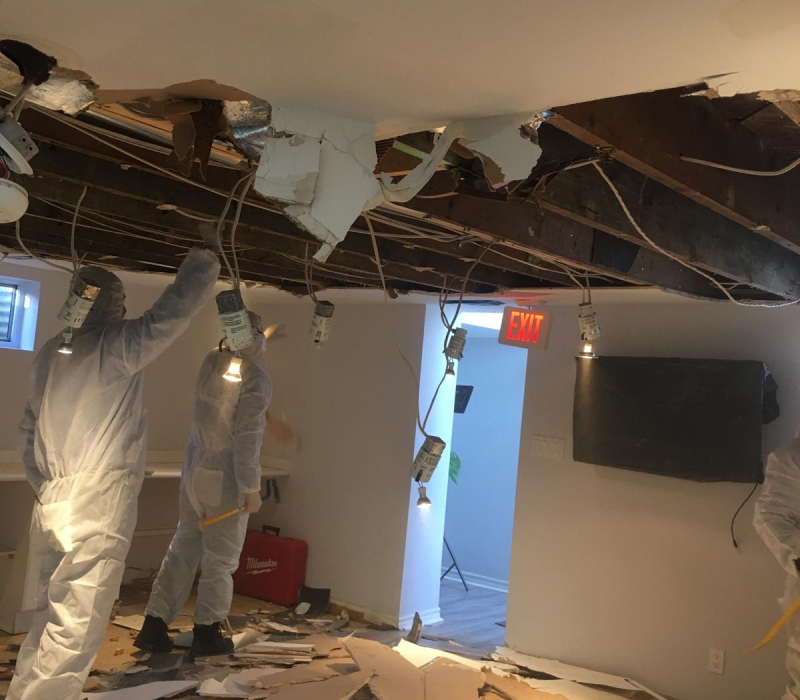
At Plumber On Demand, we provide professional water cleanup for homes and businesses. Our focus is the housekeeping of the wet mess: extracting water, removing soiled materials, protecting contents, and clearing affected rooms.
If you need water cleanup after a leak, overflow, or indoor water event, call Plumber On Demand today at 905-220-5006.
What Water Cleanup Means
Water cleanup means removing water and soiled materials from the rooms, floors, and contents affected by a water event. It is the cleanup of the wet mess itself—not a full rebuild of finishes, and not only “flood” work.
Professional water cleanup commonly includes:
- Extracting standing and pooled water from floors and low areas
- Removing wet debris, soaked packing, and unsalvageable soft goods
- Clearing affected rooms so occupants can move safely
- Handling wet contents, including pack-out or on-site sorting
- Cleaning soiled floors, baseboards, and accessible surfaces
- Reducing slip hazards, tracked water, and lingering odor from wet materials
- Preparing the space for drying equipment or further restoration if needed
Water cleanup applies to many events besides flooding: sink overflows, toilet overflows, dishwasher leaks, ice-maker line failures, water-heater leaks, and slow plumbing leaks that soak a closet, pantry, or finished basement.
Why Water Cleanup Is Important
Leaving water, wet debris, and soiled belongings in place after a leak or overflow creates more problems than the original puddle. Prompt water cleanup helps:
- Reduce slip hazards and tracked moisture into dry rooms
- Limit how far water soaks into flooring, trim, and contents
- Remove wet materials that hold odor and soil
- Protect belongings that can still be saved if they are moved and dried
- Make the property safer for occupants, pets, and follow-up trades
- Shorten the window before mold and secondary staining become likely
- Give a clearer view of what actually got wet so decisions are based on facts
Cleanup is the housekeeping step. Drying and repairs work better once water and wet mess are out of the way.
Common Causes of Water Cleanup Needs
Water cleanup is needed after many everyday plumbing and household events, not only after storms.
Typical causes include:
- Supply-line leaks under sinks, toilets, and ice makers
- Overflowing tubs, sinks, and toilets
- Washing machine hose failures and laundry-room floods
- Dishwasher and refrigerator line leaks
- Water-heater tank leaks and pan overflows
- Slow leaks that soak cabinets, closets, and flooring over time
- Condensate overflows from HVAC equipment
- Drain backups that leave standing water in bathrooms or basements
- Roof or window leaks that wet interior floors and contents
- Sprinkler or fixture failures inside occupied rooms
Any event that leaves water on floors, in rooms, or on belongings can create a cleanup job.
Signs You Need Professional Water Cleanup
You may need professional water cleanup when:
- Water is standing on floors, in closets, or in low spots
- Carpets, rugs, or padding are soaked and heavy
- Boxes, clothing, or stored items are wet or collapsing
- Floors are slippery, dirty, or tracked with wet soil
- Baseboards, cabinet toes, and furniture feet are sitting in water
- A room smells damp, sour, or musty after a leak or overflow
- You cannot safely move heavy wet furniture or soaked contents
- Water reached more than one room or traveled under doors
- Occupants cannot use the kitchen, bathroom, or bedroom until the mess is cleared
If the wet mess is larger than a mop-and-towel job, professional extraction usually saves time and reduces further damage.
Water Cleanup vs. Drying, Restoration, and Rebuild
These services are related, but they are not the same job.
• Water Cleanup
Removing water, wet debris, and soiled materials from affected rooms. This is the housekeeping of the wet event.
• Drying and Moisture Control
Using air movement and dehumidification after standing water is gone so building materials can dry.
• Material Cleanup After Damage
Cleaning stained or soiled building materials (drywall, floors, contents) after the water itself has been removed.
• Restoration and Reconstruction
Repairing or replacing finishes and returning the property to usable condition after cleanup and drying.
Plumber On Demand starts with water cleanup when the immediate problem is the wet mess in rooms, on floors, and among belongings.
Why DIY Water Cleanup Is Risky
Mops, shop vacuums, and fans can help with a small spill. Larger indoor water events often overwhelm household tools.
DIY water cleanup may:
- Miss water that migrated under cabinets, appliances, and furniture
- Push dirty water into dry rooms with brooms or wet vacuums
- Leave soaked padding, boxes, and textiles in place, holding moisture
- Overload household electrical circuits with wet vacuums on wet floors
- Create slip hazards and tracked soil throughout the building
- Damage contents by stacking wet items or using heat incorrectly
- Delay extraction long enough for swelling and odor to start
- Expose occupants to contaminated water from backups
Professional cleanup uses extraction equipment and a room-by-room plan so water is removed rather than spread.
Our Water Cleanup Process
Every event is different, but professional water cleanup typically follows a clear sequence.
• 1. Safety Check and Source Control
We confirm it is safe to enter, help identify whether the water source is stopped, and note electrical, slip, and contamination concerns before work begins.
• 2. Room and Contents Assessment
We map which rooms, floors, and belongings are wet, including water that traveled under doors, into closets, and under furniture.
• 3. Extraction of Standing Water
Pooled water is extracted from floors, low areas, and accessible cavities so the wet mess is reduced quickly.
• 4. Removal of Soiled and Unsalvageable Materials
Wet debris, collapsed boxes, soaked padding, and materials that cannot be reasonably cleaned are removed so they stop holding water and odor.
• 5. Contents Handling
Salvageable belongings are moved, sorted, or packed out of the wet zone so they are not sitting in water while floors are cleared.
• 6. Floor and Surface Cleanup
Accessible floors, baseboards, and soiled surfaces are cleaned after water is extracted so rooms are no longer a wet, dirty work zone.
• 7. Protection of Unaffected Areas
We limit tracking into dry rooms and protect pathways so cleanup does not spread the mess.
• 8. Next-Step Recommendations
You receive a clear picture of what was cleaned, what still needs drying or repair, and what should happen next.
Water Cleanup After Everyday Plumbing Events
• Sink, Tub, and Toilet Overflows
Overflows often look local, then travel under cabinets, into hallways, and onto adjacent flooring. Cleanup includes extracting water from the fixture area and checking where it ran.
• Appliance Leaks
Washing machines, dishwashers, refrigerators, and ice makers commonly soak adjacent cabinets and flooring. Cleanup includes moving or working around appliances so water under and behind them is not left behind.
• Water-Heater and Supply-Line Failures
A failed supply line or tank leak can wet a utility closet, garage, or finished room quickly. Cleanup focuses on extraction, wet contents, and the rooms water reached.
• Slow Leaks That Finally Soak a Room
A slow leak may go unnoticed until a closet, pantry, or cabinet base is soaked. Cleanup still matters: wet boxes, stored goods, and flooring need to come out even if the puddle looks small.
Contents, Floors, and Affected Rooms
Water cleanup is as much about belongings and rooms as it is about gallons of water.
• Contents
Wet contents may include:
- Clothing, linens, and soft goods
- Boxes, paper, and stored household items
- Furniture feet, upholstery, and rugs
- Kitchenware and pantry goods after sink or dishwasher leaks
- Electronics and small appliances sitting on wet floors
Some items can be moved and dried. Others are safer to discard. Cleanup includes sorting so salvageable belongings are not left sitting in water.
• Floors
Cleanup on floors may involve:
- Extracting water from hard surfaces and carpet
- Removing soaked rugs and padding
- Clearing wet soil, silt, and residue
- Checking under area rugs, mats, and furniture
• Affected Rooms
We treat the wet zone as a set of rooms, not a single puddle. Closets, hallways, and adjacent spaces often hold water that is easy to miss during a quick mop.
Residential Water Cleanup
Homeowners typically need water cleanup when a leak or overflow hits living space.
Common residential situations include:
- Kitchen sink or dishwasher leaks soaking cabinets and flooring
- Bathroom overflows reaching hallways and bedrooms
- Laundry-room hose failures
- Finished basement leaks that wet stored belongings
- Closet and pantry soak-outs from slow plumbing leaks
- Water-heater leaks in utility rooms and garages
Our goal is to clear the wet mess so the home is safer to occupy and easier to dry or repair.
Commercial Water Cleanup
Commercial properties often need water cleanup with extra attention to operations, access, and contents.
Challenges can include:
- Occupied work areas and customer traffic
- Inventory, records, and equipment sitting in wet zones
- After-hours access and limited shutdown windows
- Larger floor plates where water travels under partitions
- Slip-and-fall risk in public or staff areas
Common commercial settings include:
- Offices and professional suites
- Retail and storefront spaces
- Restaurants and food-service areas
- Warehouses and storage rooms
- Multi-unit buildings and common areas
- Healthcare and service facilities
We plan cleanup so water and soiled materials are removed with as little disruption as the situation allows.
Save vs. Replace During Water Cleanup
Not everything that got wet must be thrown away. Not everything can be saved.
Items and materials more likely to be saved:
- Hard furniture that can be moved off wet floors
- Non-porous contents that can be cleaned
- Hard flooring that can be extracted and dried
- Belongings that were only briefly wetted and can be dried promptly
Items and materials more often removed:
- Soaked cardboard, paper, and collapsed storage
- Wet carpet padding that holds water and odor
- Soft goods that stayed wet too long
- Debris and packing materials that cannot be cleaned
- Food and porous goods contaminated by overflow or backup water
Plumber On Demand helps you sort contents and wet materials during cleanup so you are not guessing under stress.
What Water Cleanup Costs
Water cleanup cost depends on the size of the wet mess, not only on how the water started.
Factors that influence cost include:
- How many rooms and square feet are wet
- How much standing water must be extracted
- Whether contents need pack-out, sorting, or disposal
- Flooring type (carpet, hard surface, mixed)
- Access, stairs, and occupied-building constraints
- Whether water is clean overflow versus dirty backup water
- After-hours or urgent response needs
- Disposal of unsalvageable wet materials
A small sink overflow in one room costs less to clean up than a multi-room soak with wet contents throughout. An on-site assessment produces a clearer scope than a phone estimate alone.
Insurance and Water Cleanup
Many property insurance policies address sudden water events, though coverage varies by cause and policy language.
Helpful practices during cleanup include:
- Documenting the source event and affected rooms
- Photographing standing water, wet contents, and soiled floors before and during work
- Keeping a simple inventory of discarded vs. saved items
- Asking your insurer what documentation they need
- Clarifying whether cleanup, drying, and later repairs are treated as separate scopes
Plumber On Demand can describe what was cleaned and which rooms were affected. Coverage decisions remain between you and your insurer.
Preventing the Next Wet Mess
Cleanup solves today’s water event. Prevention reduces the chance of repeating it.
Practical prevention steps include:
- Replacing aging supply hoses on washers and ice makers
- Using pans and leak alarms near water heaters and laundry equipment
- Not leaving tubs, sinks, or washing machines running unattended for long periods
- Checking under-sink connections after plumbing work
- Keeping storage off basement and closet floors where leaks first collect
- Knowing where shutoffs are before an overflow starts
- Addressing slow drips before they soak cabinets and flooring
After cleanup, we can point out likely failure points so the same room is less likely to flood again.
Why Choose Plumber On Demand for Water Cleanup
When rooms are wet and belongings are at risk, you need a team that treats cleanup as its own job—not an afterthought.
When you choose Plumber On Demand, you benefit from:
• Focus on the Wet Mess
We extract water, remove soiled materials, and clear affected rooms so the housekeeping of the event is actually finished.
• Contents-Aware Cleanup
We plan around belongings, furniture, and storage—not only around gallons on the floor.
• Plumbing-Aware Response
Because water events often start with plumbing, we understand supply lines, fixtures, appliances, and overflow paths.
• Clear Next Steps
We explain what was cleaned, what still needs drying or repair, and what you should do next.
• Residential and Commercial Support
We work with homeowners, landlords, property managers, and business owners.
What to Do While You Wait for Water Cleanup
If it is safe to do so:
- Stop the water source and shut off the fixture or supply if you can
- Avoid walking wet water into dry rooms
- Lift small valuables off wet floors
- Do not use electrical devices that are sitting in water
- Keep children and pets out of the wet zone
- Photograph rooms and belongings before moving large items if you can do so safely
Do not wait to “see if it dries” while standing water and soaked contents remain.
Water Cleanup in Kitchens and Laundry Rooms
Kitchens and laundry rooms are among the most common cleanup locations because they combine water lines, appliances, and stored goods.
Cleanup in these rooms often includes:
- Extracting water from around appliances and cabinet bases
- Removing soaked boxed goods and under-sink contents
- Checking kick plates, toe kicks, and adjacent flooring
- Clearing pathways so the room can be used again as soon as it is safe
These rooms often hide water behind and under equipment, which a surface mop misses.
Water Cleanup in Bathrooms and Adjacent Hallways
Bathroom overflows frequently leave the bathroom looking manageable while water has already moved under the door into hallways, closets, and bedrooms.
Cleanup should include:
- The fixture area and bathroom floor
- Hallway flooring and baseboards
- Closets and bedrooms water reached
- Bath mats, linens, and stored items that wicked moisture
Treating only the bathroom can leave the real wet mess in the rooms next door.
Water Cleanup in Basements, Closets, and Storage Areas
Stored belongings make cleanup harder because cardboard, textiles, and stacked items hold water.
In storage areas, cleanup often means:
- Removing collapsed boxes and wet packing
- Sorting salvageable items off wet floors
- Extracting water from low spots and around stored goods
- Clearing aisles so remaining contents can dry or be moved
This is still water cleanup: get water and soiled materials out of the space, not rebuild the room.
Areas We Serve
Plumber On Demand provides water cleanup services for residential and commercial properties across a wide range of communities.
We work with:
- Homeowners
- Property managers
- Landlords
- Contractors
- Business owners
- Facility managers
- Real estate professionals
- Tenants coordinating with building management
If rooms are wet and belongings are sitting in water, we can help plan extraction and cleanup.
Schedule Water Cleanup Today
If you are dealing with standing water, soaked floors, or wet belongings after a leak or overflow, Plumber On Demand is ready to help.
Our water cleanup services focus on extracting water, removing soiled materials, and clearing affected rooms.
Contact Plumber On Demand today at 905-220-5006 to schedule water cleanup service.
Tracking, Cross-Contamination, and Occupied Homes
Cleanup in an occupied property must limit how far the wet mess travels.
We pay attention to:
- Pathways from the wet zone to dry rooms
- Shoes, equipment, and wet contents moving through the building
- Dirty overflow water versus cleaner supply-line water
- Protecting furniture and flooring outside the affected rooms
Good cleanup is as much about what you do not spread as what you remove from the wet zone.
When Water Cleanup Reveals a Larger Problem
Sometimes cleanup uncovers more than a puddle:
- Water under cabinets or appliances
- Wet subfloors after carpet is lifted
- Soft drywall at the base of walls
- Contents damaged throughout a storage area
- A leak that is still active behind a fixture
When that happens, we explain what we found and what should happen next—drying, material cleanup, repairs, or further investigation.
Frequently Asked Questions About Water Cleanup
• Is water cleanup only for floods?
No. It covers leaks, overflows, appliance failures, and any indoor event that leaves standing water or wet belongings.
• Do you remove my wet belongings?
We help sort, move, and remove wet contents. Salvageable items can be relocated; unsalvageable materials may be discarded.
• Can I mop it myself instead?
Small spills yes. Larger events, water under furnishings, soaked padding, and multi-room tracking usually need professional extraction.
• What if the water came from a toilet or drain backup?
Treat it as a soiled-water event. Handling should be more careful than a clean supply-line leak.
• Will you also dry the house?
Cleanup removes water and wet mess. Drying may be recommended next if materials stayed wet.
• How long does water cleanup take?
It depends on rooms, contents, access, and water volume. Localized events can be a focused visit; larger soak-outs take longer.
• What should I throw away?
Soaked paper, collapsed cardboard, wet padding, and contaminated porous goods are often discarded. We help you decide on site.
• Can occupants stay in the property during cleanup?
Often yes if unaffected rooms are usable. It depends on which rooms are wet and whether water is contaminated.
• Does insurance cover water cleanup?
Many sudden events are reviewed by insurers, but coverage depends on policy and cause. Document rooms and contents.
• Do you clean kitchens, laundry rooms, and bathrooms?
Yes. Those are among the most common water cleanup locations.
• What if water went under the refrigerator or cabinets?
That is a common reason to call. Hidden water under appliances and cabinets is easy to miss with a mop.
• How do I get started?
Call Plumber On Demand at 905-220-5006 to describe the water event and schedule cleanup.
Contact Plumber On Demand Today
A wet room does not get cleaner by waiting. Professional water cleanup removes standing water and soiled materials so drying and repairs can follow.
Plumber On Demand provides water cleanup services for residential and commercial clients.
If you need water extracted and soiled materials cleared, contact Plumber On Demand today.
📞 Call 905-220-5006
Speak with our team, request an assessment, and learn how water cleanup can clear standing water, wet contents, and soiled floors.