
Sewage Backup Cleanup Rocton
 (459)
(459)
(459)
A sewage backup is one of the most disruptive and hazardous plumbing emergencies a property can experience. When wastewater reverses direction and enters a home or building, it brings contaminated water, harmful bacteria, and unpleasant odors that require immediate professional attention. Sewage backup cleanup is the process of safely removing contaminated water, sanitizing affected areas, and restoring the property to a safe, livable condition.
Unlike standard water damage, sewage exposure is classified as a biohazard event, meaning it requires specialized equipment, protective procedures, and proper disposal methods. At Plumber On Demand, we provide professional sewage backup cleanup services designed to quickly remove contamination, prevent health risks, and restore safe conditions in your home or business.
If you are dealing with a sewage backup, contact Plumber On Demand at 289-501-6316 for immediate emergency response.
SEWAGE BACKUP CLEANUP | PLUMBER ON DEMAND
Sewage backup cleanup refers to the complete remediation process following a wastewater overflow inside a structure. This includes:
- Removing raw sewage and contaminated water
- Cleaning and disinfecting affected surfaces
- Drying and dehumidifying impacted areas
- Removing damaged materials when necessary
- Preventing mold and bacterial growth
- Restoring safe indoor conditions
The goal is not just to clean visible waste, but to eliminate hidden contamination that can pose long-term health risks.
What Causes Sewage Backups?
Sewage backups can happen for several reasons, often related to blockages or system failures in the plumbing or sewer line.
• Main Sewer Line Blockage
A blockage in the main sewer line can force wastewater to flow backward into the property.
• Tree Root Intrusion
Tree roots can enter sewer lines and restrict or completely block wastewater flow.
• Heavy Rain or Flooding
Excess water can overwhelm municipal sewer systems or septic systems, causing backups.
• Septic System Failure
A failing septic system may no longer process wastewater effectively, leading to overflow.
• Clogged or Damaged Pipes
Grease, debris, or structural damage can obstruct proper flow through plumbing lines.
• Municipal Sewer Issues
Sometimes the problem originates outside the property in the public sewer system.
Why Sewage Backup Cleanup Is Urgent
Sewage water is considered Category 3 black water, meaning it contains harmful bacteria, viruses, and pathogens.
Without immediate cleanup, sewage exposure can lead to:
- Serious health risks
- Respiratory infections
- Skin irritation and disease exposure
- Structural damage to flooring and walls
- Mold growth within 24–48 hours
- Long-term odor contamination
Because of these risks, sewage backup cleanup should begin immediately after the incident occurs.
• Health Risks of Sewage Exposure
Sewage water is not just dirty—it is hazardous.
It may contain:
- E. coli
- Salmonella
- Hepatitis viruses
- Parasites and bacteria
- Chemical contaminants
- Decomposing organic waste
Exposure can occur through:
- Skin contact
- Inhalation of airborne particles
- Contaminated surfaces
- Cross-contamination in living areas
Proper protective procedures are essential during cleanup.
When a sewage backup occurs, the situation becomes both a plumbing emergency and a sanitation hazard. The cleanup process is not just about removing visible wastewater—it requires full decontamination of affected materials, structural drying, odor control, and prevention of long-term microbial growth. Because sewage is classified as hazardous waste, proper sewage backup cleanup must follow strict safety and restoration procedures.
This section continues the full SEO guide for Sewage Backup Cleanup, covering emergency response steps, remediation workflow, restoration decisions, cost factors, prevention methods, insurance considerations, and long-term property protection.
Emergency Sewage Backup Response
Immediate action is critical when sewage enters a home or building. The longer wastewater remains, the deeper contamination spreads into flooring, drywall, and structural materials.
Emergency cleanup is typically required when:
- Sewage is actively flowing into sinks, tubs, or toilets
- Basement floors are covered with contaminated water
- Multiple drains are backing up simultaneously
- Strong sewage odors are present throughout the property
- Water is seeping into walls or subflooring
- Electrical systems are exposed to contaminated water
These situations require fast containment to prevent widespread damage.
At Plumber On Demand, emergency sewage backup cleanup services focus on immediate extraction, contamination control, and structural protection.
If you are dealing with a sewage backup, call 289-501-6316 immediately.
Step-by-Step Sewage Backup Cleanup Process
Professional sewage cleanup follows a structured remediation process to ensure safety and full decontamination.
• Step 1: Safety Containment
The affected area is isolated to prevent contamination from spreading to other parts of the property.
This may include:
- Sealing off rooms
- Restricting airflow between spaces
- Establishing protective zones
• Step 2: Wastewater Extraction
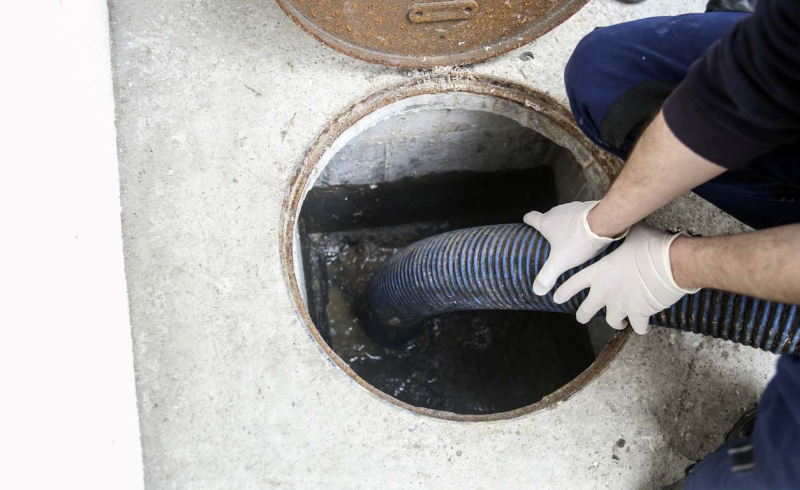
Specialized pumps and extraction equipment are used to remove standing sewage and contaminated water.
This step must be completed quickly to limit absorption into building materials.
• Step 3: Removal of Contaminated Materials
Porous materials that cannot be safely cleaned are removed, such as:
- Carpet and padding
- Damaged drywall
- Insulation materials
- Contaminated baseboards or flooring layers
These materials often cannot be salvaged once exposed to sewage.
• Step 4: Deep Cleaning and Disinfection
All affected surfaces are thoroughly cleaned and disinfected using industrial-grade solutions.
This includes:
- Floor surfaces
- Walls and framing
- Fixtures and exposed structures
The goal is to eliminate bacteria, viruses, and pathogens.
• Step 5: Drying and Moisture Control
Industrial drying equipment is used to remove hidden moisture from:
- Subfloors
- Wall cavities
- Air spaces
- Structural framing
Proper drying is essential to prevent mold growth.
• Step 6: Odor Removal and Air Treatment
Specialized deodorization methods are used to eliminate lingering sewage odors.
This may include:
- Air scrubbers
- Ozone or hydroxyl treatment systems
- Ventilation management
• Step 7: Final Inspection and Clearance
A final evaluation ensures:
- Contamination is fully removed
- Moisture levels are safe
- No odors or bacteria remain
- The property is safe for re-occupancy
Restoration vs Full Replacement After Sewage Damage
Not all sewage-affected materials can be restored. The decision depends on contamination level and material type.
• Restoration Is Possible When:
- Exposure time was short
- Materials are non-porous (tile, metal, some sealed surfaces)
- Contamination is limited and contained
- Drying begins quickly
• Replacement Is Required When:
- Materials are porous (carpet, drywall, insulation)
- Sewage has soaked deeply into structures
- Exposure lasted more than 24–48 hours
- Mold growth has begun
In many cases, partial reconstruction is necessary after cleanup.
• Cost Factors for Sewage Backup Cleanup
Cleanup costs depend on severity and contamination spread.
Key factors include:
- Size of affected area
- Depth of contamination
- Type of materials impacted
- Duration of exposure
- Equipment and labor required
- Structural repairs needed after cleanup
- Emergency response timing
While costs vary, immediate cleanup typically reduces overall expenses by preventing structural damage and mold remediation.
• Common Homeowner Mistakes
During sewage backups, certain actions can worsen the situation or increase health risks.
• Delaying Cleanup Response
Waiting allows contamination to spread into structural materials.
• Attempting DIY Cleanup Without Protection
Exposure to sewage without proper equipment is a serious health risk.
• Using Household Cleaning Products Only
Standard cleaners do not eliminate hazardous bacteria effectively.
• Ignoring Hidden Moisture
Even after visible cleanup, trapped moisture can lead to mold growth.
• Continuing to Use Plumbing
Using water during an active backup can worsen overflow conditions.
• Health and Safety Considerations
Sewage exposure presents serious health risks that must be taken seriously.
Potential hazards include:
- Bacterial infections
- Viral contamination
- Respiratory issues from airborne particles
- Skin and eye irritation
- Long-term mold exposure risks
Proper protective equipment and professional handling are essential during cleanup.
• Preventing Future Sewage Backups
Once cleanup is complete, prevention becomes the priority.
• Maintain Sewer and Septic Systems
Regular inspection and maintenance reduce blockage risk.
• Avoid Flushing Improper Materials
Only toilet paper and human waste should enter plumbing systems.
• Manage Tree Root Growth
Roots near sewer lines should be monitored and controlled.
• Install Backwater Valves
These devices help prevent reverse flow into the home.
• Monitor Drain Performance
Slow drains should be addressed before full backups occur.
• Insurance Considerations
Many sewage backup events may be partially covered by insurance depending on the policy.
Coverage may include:
- Cleanup and remediation
- Structural repairs
- Replacement of damaged materials
However, coverage varies and often depends on the cause of the backup and policy terms.
Why Sewage Backup Cleanup Matters
Sewage backups are not just inconvenient—they are hazardous events that affect health, safety, and property integrity.
Proper cleanup helps:
- Eliminate dangerous contamination
- Restore safe living conditions
- Prevent mold and structural damage
- Protect indoor air quality
- Restore usable space
- Reduce long-term repair costs
Fast and professional response is critical to minimizing damage.
Why Choose Plumber On Demand for Sewage Backup Cleanup
At Plumber On Demand, we provide complete sewage backup cleanup and restoration services designed to handle emergencies from start to finish.
Our services include:
- Emergency sewage extraction
- Full contamination cleanup
- Structural drying and dehumidification
- Odor removal and air treatment
- Damage assessment and restoration support
- Prevention recommendations
We focus on restoring safety, cleanliness, and livability as quickly as possible.
Frequently Asked Questions About Sewage Backup Cleanup
• What is sewage backup cleanup?
It is the process of removing sewage, disinfecting affected areas, and restoring safe conditions after a wastewater overflow.
• Is sewage water dangerous?
Yes. It contains harmful bacteria, viruses, and pathogens.
• How quickly should sewage cleanup begin?
Immediately—delays increase contamination and damage.
• Can sewage damage be cleaned completely?
Yes, but porous materials often need replacement.
• How long does cleanup take?
It depends on severity, ranging from hours to several days.
• Do I need professional cleanup services?
Yes. Sewage is a biohazard and requires specialized equipment.
• Can mold form after sewage backup?
Yes, often within 24–48 hours if moisture remains.
• Will insurance cover sewage cleanup?
Sometimes, depending on policy terms and cause of backup.
Schedule Professional Sewage Backup Cleanup Today
A sewage backup is a serious emergency that requires immediate action to protect your home, health, and property. Fast and professional sewage backup cleanup is essential to remove contamination, restore safe conditions, and prevent long-term structural damage.
At Plumber On Demand, we provide rapid emergency response and complete cleanup services designed to handle sewage disasters from start to finish.
If you are experiencing a sewage backup, contact Plumber On Demand today at 289-501-6316 for immediate assistance.
Contact Plumber On Demand