
Mold Removal Specialist Bracebridge
 (459)
(459)
(459)

Mold Removal Specialist Services | Plumber On Demand
Expert Mold Assessment, Containment Planning, and Removal Guidance
Mold problems can be frustrating because the visible growth is often only part of the issue. Moisture can remain hidden behind walls, under floors, and inside insulation—creating recurring mold even after repeated cleaning attempts.
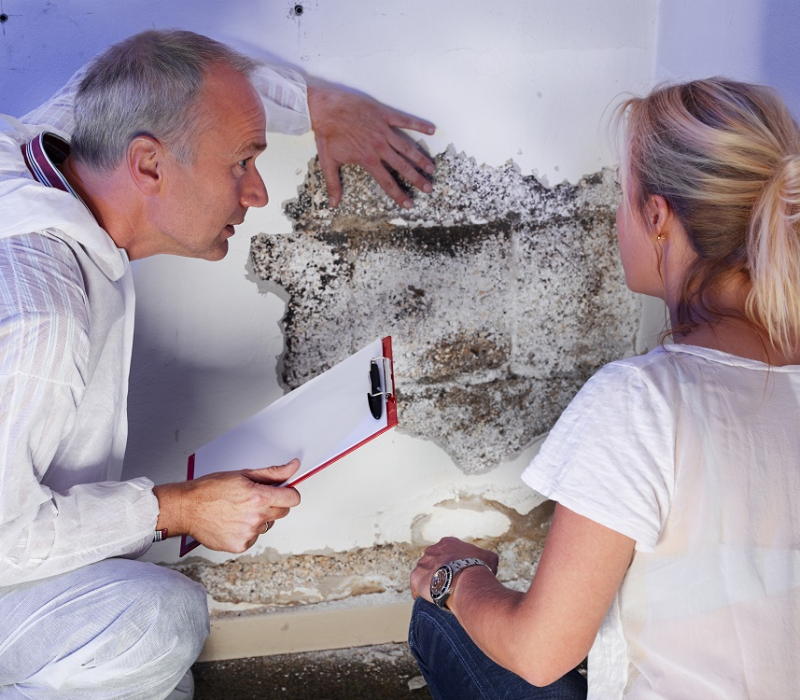
Working with a mold removal specialist helps ensure the plan addresses both the contamination and the conditions that caused it. At Plumber On Demand, our team provides specialist-level mold removal support for residential and commercial properties, including assessment, removal planning, controlled work practices, and prevention guidance.
If you need a mold removal specialist, contact Plumber On Demand today at 705-220-2903 to schedule an assessment.
What a Mold Removal Specialist Does
A mold removal specialist focuses on:
- Identifying likely moisture drivers (leaks, seepage, condensation, humidity imbalance)
- Evaluating affected materials and probable hidden areas
- Planning containment steps to reduce cross-contamination
- Recommending cleaning vs. removal based on material type and severity
- Providing clear next-step guidance for repairs and prevention
The goal is not only to remove what you can see, but to reduce the chance that mold returns.
Why Specialist Support Matters
Mold concerns often involve one or more of the following challenges:
- Hidden moisture behind drywall or under flooring
- Recurring mold in bathrooms and basements
- Ongoing humidity and condensation problems
- Multi-room spread driven by airflow patterns
- Renovation projects that uncover concealed growth
- Rental property and multi-unit coordination needs
A specialist approach helps reduce guesswork and provides a structured plan.
Common Causes of Mold Growth
Mold is usually driven by moisture and limited airflow. Common causes include:
- Plumbing leaks under sinks and behind walls
- Basement seepage and damp foundations
- Flooding and water damage
- Roof leaks and attic moisture
- Poor bathroom ventilation
- Condensation on cold exterior walls and windows
- HVAC moisture and drainage issues
- Persistently high indoor humidity
Correcting moisture is often the most important step in preventing recurrence.
Signs You Should Call a Mold Removal Specialist
- Mold returns repeatedly after cleaning
- Musty odor persists even when surfaces look clean
- Water damage occurred and drying was delayed
- Drywall is soft, swollen, or stained
- Flooring is lifting or baseboards are warped
- You suspect hidden mold behind walls or under floors
- Mold is discovered during renovations
If you’re unsure whether cleaning is enough or removal is required, an assessment helps clarify the right scope.
Mold Cleaning vs. Mold Removal vs. Mold Abatement
• Mold Cleaning
Often appropriate for surface mold on certain materials when moisture conditions are corrected.
• Mold Removal
Often necessary when porous materials are impacted or hidden moisture creates high recurrence risk.
• Mold Abatement
A structured approach emphasizing containment planning and controlled work practices to reduce cross-contamination during cleaning and removal.
As a mold removal specialist, Plumber On Demand helps you understand which approach fits your property conditions.
Our Mold Specialist Assessment Process
• Initial Consultation
We review your concerns, property history, and the locations where mold or odors are occurring.
• Visual Inspection
We inspect visible growth, water staining, and high-risk areas for dampness.
• Moisture and Humidity Evaluation
We consider leak sources, seepage, condensation patterns, ventilation, and humidity imbalance.
• Scope Recommendations
You receive a clear recommendation for:
- Cleaning vs. removal
- Whether containment steps are needed
- Practical next steps for prevention and repairs
Common Areas Specialists Evaluate
• Basements
Basements are prone to mold due to higher humidity, cooler surfaces, and seepage concerns.
• Bathrooms
Bathrooms often have recurring mold due to frequent moisture and inadequate ventilation.
• Crawlspaces
Crawlspaces may stay damp due to limited airflow and ground moisture.
• Attics
Attic mold concerns can result from roof leaks, poor ventilation, and seasonal condensation.
• Behind Walls and Under Floors
Hidden leaks and trapped moisture can allow mold to develop where it cannot be seen.
Containment and Controlled Work Practices
When removal is required, containment planning helps reduce cross-contamination.
Containment considerations may include:
- Controlled work zones
- Physical barriers
- Restricted access planning
- Airflow and dust/spore control steps
A specialist approach considers the building layout, occupancy needs, and the location of affected materials.
Prevention Planning: The Key to Long-Term Results
Mold often returns when moisture and humidity conditions remain.
Prevention planning may include:
- Leak repairs and plumbing corrections
- Humidity management strategies
- Ventilation improvements in bathrooms and laundry rooms
- Condensation reduction steps for cold corners and windows
- HVAC moisture contributor evaluation
- Monitoring of previously damp areas
Benefits of Hiring Plumber On Demand as Your Mold Removal Specialist
When you choose Plumber On Demand, you benefit from:
• Moisture-Focused Planning
We focus on what drives mold recurrence: moisture, humidity, and ventilation conditions.
• Clear Scope Guidance
We help you understand what should be cleaned, what should be removed, and what repairs matter most.
• Controlled Work Practices
We plan removal and cleaning to reduce cross-contamination and support safer outcomes.
• Support for Residential and Commercial Properties
We work with homeowners, landlords, property managers, and business owners.
Common Questions About Mold Removal Specialists
• Can a specialist confirm mold type by looking at it?
No. Visual appearance is not considered reliable for identifying mold type.
• Why does mold keep coming back after cleaning?
Recurring mold often indicates ongoing moisture or humidity problems, hidden dampness, or porous materials that remain impacted.
• Do specialists always recommend removal?
Not always. The right approach depends on materials, severity, and moisture conditions.
• Can you help during renovations?
Yes. Mold is commonly discovered mid-renovation, and specialist guidance can reduce delays and support safer project planning.
Areas We Serve
Plumber On Demand provides mold removal specialist services across a wide range of communities for residential and commercial properties.
Schedule a Mold Removal Specialist Assessment Today
If you’re dealing with recurring mold, musty odors, or moisture-driven indoor issues, Plumber On Demand is ready to help.
Contact Plumber On Demand today at 705-220-2903 to schedule your mold removal specialist assessment.
Frequently Asked Questions
• What should I do before a specialist arrives?
Avoid disturbing visible growth. If safe, stop the moisture source and limit access to damp areas.
• Can a specialist help with basement humidity problems?
Yes. Basement humidity and condensation are common drivers of recurring mold.
• Do you work with landlords and property managers?
Yes. We frequently support rental properties and managed buildings.
• How do I get started?
Call Plumber On Demand at 705-220-2903 to discuss your concerns and schedule an assessment.
More Frequently Asked Questions
• Why does mold keep returning in the same spot?
Recurring mold often indicates the same moisture condition is still present—such as a slow leak, persistent condensation, or consistently high humidity.
• Can a specialist help if I only smell mold?
Yes. Musty odors may indicate hidden dampness or concealed growth behind walls, under flooring, or in basements and crawlspaces.
• What’s the difference between mold inspection and mold removal?
Inspection focuses on understanding scope and moisture drivers. Removal focuses on addressing impacted materials and cleaning remaining surfaces using controlled work practices.
• Do I need mold testing?
Not always. Many projects can be planned based on visible conditions and moisture assessment. If identification is needed for a specific reason, testing can be discussed.
• Can a specialist identify mold type visually?
No. Visual appearance is not considered reliable for identifying mold type.
• Can mold grow behind bathroom tile?
Moisture can build up behind wall systems if leaks or ventilation issues exist. A specialist can help assess likely contributors and next steps.
• What if mold is on drywall?
Drywall is porous. If drywall is impacted, removal may be recommended depending on severity and moisture conditions.
• What if mold is on wood framing?
Wood can be affected by moisture and may require controlled cleaning and drying guidance. The best plan depends on scope and access.
• Can a specialist help after flooding?
Yes. Early assessment after flooding helps prioritize drying and material decisions that reduce long-term mold risk.
• Can a specialist help with basement humidity planning?
Yes. Humidity control and condensation reduction are common parts of preventing recurring basement mold.
• Can I just repaint over mold stains?
Painting without correcting moisture issues often leads to recurring growth or staining. A specialist can help determine the proper sequence.
• What if mold is under flooring?
Trapped moisture under flooring systems can support mold growth. A specialist can help assess whether removal, drying, or repairs are needed.
• Do you work with property managers and landlords?
Yes. We help with recurring moisture issues, tenant complaints, and planning considerations for occupied buildings.
• Can you help during renovations?
Yes. Mold is often discovered mid-renovation, and specialist guidance can reduce delays and support safer sequencing.
• How do I reduce mold risk in bathrooms?
Ventilation is often the key. Using fans effectively, reducing humidity, and addressing leaks early helps reduce recurrence.
• How do I reduce mold risk in basements?
Basement prevention often involves humidity management, airflow improvements, and addressing seepage, leaks, and condensation patterns.
• Should I run fans on moldy areas?
Uncontrolled airflow can spread contamination if mold is disturbed. A specialist can advise based on conditions.
• Will a dehumidifier solve mold problems?
A dehumidifier can help manage humidity, but it will not stop leaks or seepage. Long-term results usually require both humidity control and moisture source correction.
• How long does mold removal usually take?
Timelines vary based on affected areas, materials, access, and moisture conditions. We provide guidance after assessment.
• What should I do before you arrive?
Avoid disturbing visible growth. If safe, stop the moisture source and limit access to damp areas.
Contact Plumber On Demand Today
Mold issues can be complex when moisture is hidden and growth keeps returning. A specialist assessment helps clarify what is happening and what should be done next.
Plumber On Demand provides professional mold removal specialist services for residential and commercial clients.
📞 Call 705-220-2903
Speak with our team, request an assessment, and get clear next-step guidance for cleaning, removal, and prevention.