
Mold Abatement Bracebridge
 (459)
(459)
(459)

Mold Abatement Services | Plumber On Demand
Professional Mold Abatement Solutions for Homes and Businesses
Mold concerns are often driven by moisture—leaks, flooding, seepage, condensation, and high humidity. When mold is widespread, recurring, or impacting porous materials, a structured abatement approach helps reduce contamination spread and supports safer restoration.
At Plumber On Demand, we provide professional mold abatement services designed to help property owners address mold concerns with controlled planning and practical prevention guidance. Our process focuses on containment considerations, material-specific decisions, and moisture correction planning so results are more reliable over the long term.
If you need mold abatement, contact Plumber On Demand today at 705-220-2903 to schedule an assessment.
What Mold Abatement Means
Mold abatement is a structured approach to reducing mold contamination in a property. It commonly includes a combination of:
- Assessment and scope planning
- Containment planning to reduce cross-contamination
- Removal of impacted porous materials when necessary
- Controlled cleaning of remaining surfaces
- Moisture and humidity correction guidance
- Clear next steps for restoration and prevention
Abatement is not just “cleaning.” It is a plan to control contamination while addressing the moisture conditions that caused mold growth.
Why Mold Abatement Is Important
Mold concerns can worsen when:
- Moisture remains trapped behind walls or under floors
- Humidity stays elevated for long periods
- Condensation repeatedly forms in the same areas
- Porous materials remain damp and impacted
Professional mold abatement helps:
- Reduce spread into unaffected areas
- Protect building materials from ongoing deterioration
- Improve odor and comfort conditions
- Support safer renovation and restoration work
- Reduce repeated cycles of regrowth
Common Causes of Mold Problems
Mold is usually moisture-driven. Common contributors include:
- Plumbing leaks under sinks and behind walls
- Basement seepage and foundation dampness
- Flooding and water damage
- Roof leaks and attic saturation
- Bathroom humidity and poor ventilation
- Condensation on windows and cold exterior walls
- HVAC drainage issues and high indoor humidity
Identifying the moisture driver is often the most important part of long-term prevention.
Signs You May Need Mold Abatement
Mold abatement is often recommended when:
- Mold is widespread or affecting multiple areas
- Musty odors persist despite cleaning
- Mold returns repeatedly in the same locations
- Drywall, insulation, or flooring systems are impacted
- Water damage occurred and drying was delayed
- Hidden mold is suspected behind walls or under floors
- Renovations uncover concealed growth
An assessment helps confirm the scope and the most practical next steps.
Mold Abatement vs. Mold Removal vs. Mold Cleaning
• Mold Cleaning
Typically focuses on cleaning mold from certain surfaces when moisture conditions are corrected.
• Mold Removal
Often involves removal of contaminated porous materials when they cannot be effectively cleaned.
• Mold Abatement
A structured approach that emphasizes controlled planning and containment considerations to reduce cross-contamination during cleaning and removal activities.
Plumber On Demand helps determine the right approach based on your property and the materials involved.
Our Mold Abatement Process
• Initial Consultation and Inspection
We review the property history (leaks, flooding, humidity issues), inspect visible areas, and identify likely hidden moisture zones.
• Moisture and Humidity Evaluation
We consider leak sources, seepage, condensation patterns, ventilation issues, and indoor humidity imbalance.
• Scope and Abatement Planning
Each project receives a plan tailored to:
- Affected rooms and materials
- Access and layout considerations
- Occupancy needs
- Containment requirements
- Removal vs. cleaning decisions
- Prevention and repair priorities
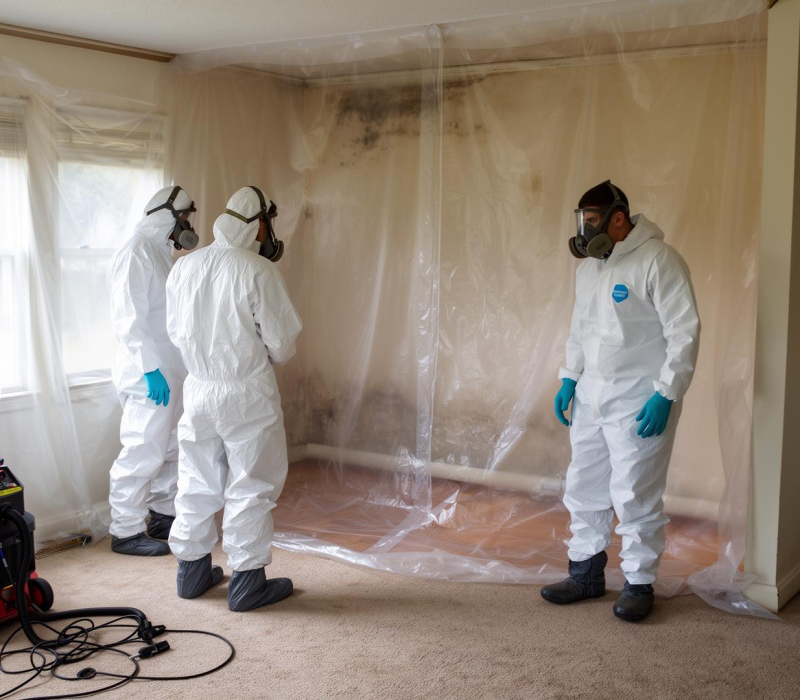
• Containment Planning
Containment reduces the chance that mold disturbance spreads contamination.
Containment considerations may include:
- Controlled work zones
- Physical barriers
- Restricted access planning
- Airflow and dust/spore control steps
• Material Removal (When Necessary)
Porous materials that are impacted and cannot be effectively cleaned may need removal. This commonly includes:
- Drywall
- Insulation
- Carpet and underlay
- Damaged trim and baseboards
- Wet materials after water events
• Cleaning and Detail Work
After removal, remaining surfaces are cleaned using controlled methods appropriate for the substrate and severity.
• Prevention Guidance
You receive recommendations for:
- Repairs that stop moisture sources
- Ventilation improvements
- Humidity management and condensation control
- Monitoring and long-term prevention steps
Mold Abatement in Common Problem Areas
• Basements
Basements commonly experience higher humidity, cooler surfaces, and seepage concerns, making them a frequent location for mold issues.
• Crawlspaces
Crawlspaces may stay damp due to limited airflow and ground moisture, allowing mold to develop on framing and insulation.
• Bathrooms
Bathrooms often have recurring mold due to frequent moisture and inadequate ventilation.
• Attics
Roof leaks and poor ventilation can lead to attic mold on framing and sheathing.
• Behind Walls and Under Floors
Slow leaks and trapped moisture can allow mold to develop where it cannot be seen.
Protecting Indoor Air Quality
Mold concerns often involve indoor air quality and odor conditions.
Professional abatement supports:
- Improved comfort and reduced musty odor
- Better restoration readiness
- Reduced dampness-related indoor issues
- Long-term prevention planning
Balanced humidity and ventilation are key components of preventing recurrence.
Benefits of Hiring Plumber On Demand for Mold Abatement
When you choose Plumber On Demand, you benefit from:
• Moisture-Focused Planning
We focus on the moisture drivers that cause mold to return.
• Controlled Work Practices
We plan abatement steps to reduce cross-contamination and support safer outcomes.
• Clear Recommendations
We explain what needs to be cleaned, what may need removal, and what repairs matter most.
• Residential and Commercial Support
We support homeowners, landlords, property managers, and business owners.
Common Questions About Mold Abatement
• Can you identify mold type visually?
No. Visual appearance is not considered reliable for identifying mold type.
• Will mold come back after abatement?
Mold can return if moisture sources and humidity conditions remain. Prevention planning is essential.
• Is mold abatement always required?
Not always. The right approach depends on the materials, severity, and moisture conditions involved.
• Do you work with rental properties and managed buildings?
Yes. We frequently support landlords and property managers with recurring moisture and mold concerns.
Areas We Serve
Plumber On Demand provides mold abatement services across a wide range of communities for residential and commercial properties.
Schedule Mold Abatement Today
If you suspect significant mold contamination or recurring growth, Plumber On Demand is ready to help.
Contact Plumber On Demand today at 705-220-2903 to schedule your mold abatement assessment.
Frequently Asked Questions
• What should I do while waiting for service?
Avoid disturbing visible growth. If safe, stop the moisture source and limit access to affected areas.
• Can mold develop after water damage?
Mold risk increases when materials remain damp and humidity stays elevated.
• Do you help with basement humidity problems?
Yes. Basement humidity and condensation are common mold drivers.
• How do I get started?
Call Plumber On Demand at 705-220-2903 to discuss your concerns and schedule an assessment.
More Frequently Asked Questions
• What is the difference between mold abatement and mold remediation?
These terms are often used interchangeably. The important part is the scope: controlled work practices, appropriate containment planning, and moisture correction guidance to reduce recurrence.
• Does mold abatement always require removal of drywall?
Not always. Removal decisions depend on whether the drywall is impacted, how long it was damp, and whether the growth is recurring.
• Why is containment important during abatement?
Containment helps reduce cross-contamination by limiting how mold disturbance and debris can spread to unaffected areas.
• Can mold be hidden behind walls?
Yes. Slow plumbing leaks, roof leaks, and condensation can support mold growth inside wall cavities without visible surface signs.
• Can mold grow under flooring?
Yes. Trapped moisture under carpet, laminate, and underlay can support growth after leaks and floods.
• What causes mold to come back after cleaning?
Recurring mold often indicates the underlying moisture or humidity condition has not been corrected.
• Is a musty smell always mold?
Not always, but musty odor is commonly associated with dampness and can indicate hidden moisture or mold growth.
• Can humidity alone cause mold?
Yes. Persistently high humidity and condensation can create mold even when there is no obvious leak.
• Can you help with basement dampness?
Yes. Basement abatement planning often involves humidity management, seepage considerations, and ventilation improvements.
• Can you help with crawlspace mold?
Yes. Crawlspaces can remain damp due to limited airflow and ground moisture. Prevention planning is often critical.
• Can you help with bathroom mold that keeps returning?
Yes. Recurring bathroom mold frequently involves ventilation and humidity issues that need correction.
• Do you handle mold discovered during renovations?
Yes. Mold is commonly uncovered during remodeling, and abatement planning can help reduce delays and support safer sequencing.
• Do I need mold testing before abatement?
Not always. Many projects can be planned based on visible conditions and moisture assessment. If testing is needed for a specific reason, we can discuss options.
• Can you confirm “black mold” visually?
No. Mold type cannot be confirmed by appearance alone.
• Does painting over mold fix it?
Painting over mold without correcting moisture conditions often leads to recurring growth.
• Can a dehumidifier solve mold problems?
Dehumidifiers can help manage humidity, but they do not stop leaks or seepage. Long-term results usually require both humidity control and moisture source correction.
• How long does mold abatement take?
Timelines vary depending on affected areas, materials, access, and moisture conditions.
• Can occupants remain in the building during abatement?
Recommendations depend on scope, containment needs, and building layout. We provide guidance based on your situation.
• Do you work with landlords and property managers?
Yes. We frequently support managed properties, rental units, and multi-unit buildings.
• Do you provide emergency service after flooding or leaks?
Yes. If you have urgent concerns after a water event, call 705-220-2903 for scheduling.
• What should I do while waiting for service?
Avoid disturbing visible growth. If safe, stop the moisture source and limit access to damp areas.
• How can I reduce mold risk long-term?
Long-term prevention typically involves fixing leaks, improving ventilation, managing humidity, reducing condensation, and monitoring high-risk areas.
Contact Plumber On Demand Today
Mold concerns should not be ignored. A structured abatement approach helps reduce contamination spread while addressing moisture conditions that drive recurrence.
Plumber On Demand provides professional mold abatement services for residential and commercial clients.
📞 Call 705-220-2903
Speak with our team, request an assessment, and get clear next-step guidance for abatement planning and prevention.