
Emergency Mold Removal Bracebridge
 (459)
(459)
(459)

Emergency Mold Removal Services | Plumber On Demand
Urgent Mold Removal Solutions After Flooding, Leaks, and Moisture Damage
When mold is discovered after a plumbing failure, basement flood, roof leak, or extended humidity, fast action can help prevent wider contamination and reduce repair costs. In many cases, urgent mold concerns are not limited to what you can see—moisture can remain trapped behind walls, under floors, and inside insulation where mold can continue spreading.
At Plumber On Demand, we provide emergency mold removal services for residential and commercial properties. Our approach focuses on assessing moisture sources, planning controlled work practices, removing impacted materials when necessary, and providing clear next-step recommendations so you can move forward with confidence.
If you need emergency mold removal, contact Plumber On Demand today at 705-220-2903 to schedule an urgent assessment.
What Emergency Mold Removal Means
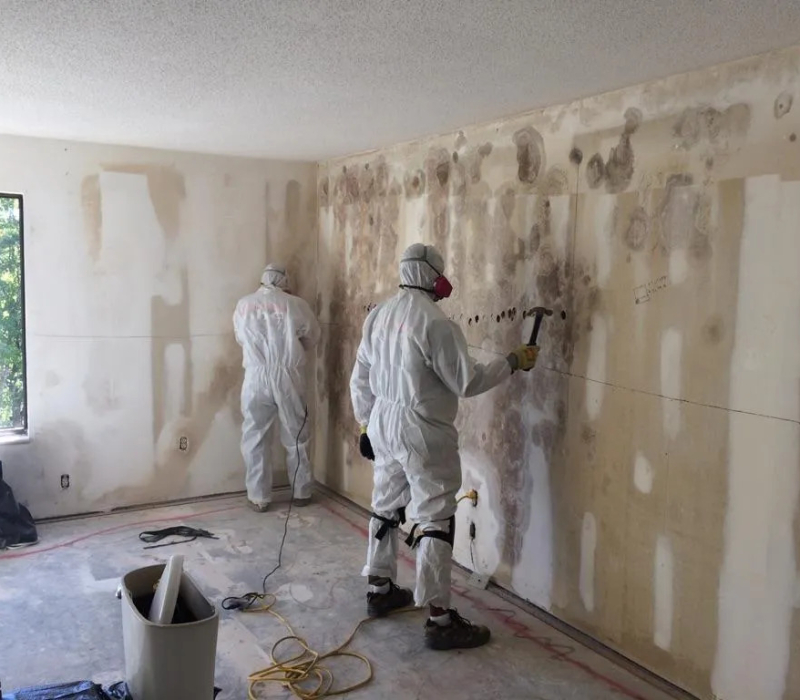
Emergency mold removal is a rapid-response service for situations where mold is widespread, materials are impacted, or the risk of ongoing spread is high. Unlike simple surface cleaning, emergency removal may involve removing contaminated porous materials and addressing concealed moisture conditions.
Emergency mold removal may include:
- Rapid inspection and scope assessment
- Moisture and humidity evaluation
- Containment planning to reduce cross-contamination
- Removal of impacted porous materials when required
- Cleaning of remaining surfaces using controlled methods
- Guidance for drying, repairs, and prevention
Because mold is moisture-driven, removal efforts are most effective when the water source and humidity conditions are corrected.
Why Emergency Mold Removal Is Important
Delaying mold removal after water damage can lead to:
- Growth spreading into adjacent rooms
- More materials becoming impacted (drywall, insulation, flooring, trim)
- Stronger, more persistent odors
- Increased disruption for occupants and businesses
- Higher restoration and repair costs
Emergency mold removal helps stabilize the situation quickly and supports safer restoration planning.
Common Causes of Mold Emergencies
Emergency mold situations often begin with moisture events such as:
- Burst pipes and sudden plumbing leaks
- Basement flooding and foundation seepage
- Roof leaks and attic saturation
- Appliance failures and slow leaks that go unnoticed
- Overflow incidents in bathrooms, kitchens, and laundry rooms
- HVAC condensate problems
- Prolonged high humidity due to ventilation issues
Even if the surface looks dry, damp materials can remain wet internally and continue supporting mold growth.
Signs You May Need Emergency Mold Removal
Mold removal is often needed when:
- Growth is visible across multiple surfaces or rooms
- Drywall feels soft, swollen, or stained
- Baseboards are warped or flooring is lifting
- Musty odor persists despite basic cleaning
- Mold returns repeatedly in the same location
- Water damage lasted for an extended time before drying began
- You suspect hidden mold behind walls or under flooring
If you are unsure whether cleaning is enough or removal is required, a professional assessment helps clarify the right scope.
“Black Mold” Concerns During Emergencies
During emergencies, property owners often report “black mold” because dark staining or dark growth is visible. Mold type cannot be confirmed by appearance alone, and many molds can appear dark depending on lighting, surface type, and growth stage.
The priority in an emergency is controlled assessment, moisture correction planning, and the right cleanup/removal approach for the affected materials.
Emergency Mold Removal vs. Mold Cleaning
• Mold Cleaning
Mold cleaning typically focuses on surface growth on non-porous or semi-porous materials when moisture conditions are addressed.
• Emergency Mold Removal
Emergency removal is often necessary when:
- Porous materials are contaminated
- Growth is extensive
- Hidden moisture is suspected
- Odors persist
- Water damage created a high-risk environment for regrowth
Plumber On Demand helps you determine whether cleaning, removal, or a broader abatement approach is most appropriate.
Why DIY Emergency Mold Removal Is Risky
Emergency mold situations are stressful, and many people attempt removal themselves. Unfortunately, uncontrolled removal can spread contamination and make restoration harder.
DIY removal may:
- Distribute mold particles through the air
- Spread contamination via tools, fans, or foot traffic
- Miss concealed growth behind building materials
- Leave wet insulation and wall cavities untreated
- Lead to recurring mold if moisture remains
Professional emergency mold removal emphasizes controlled work practices, containment planning, and moisture-driven decision making.
Our Emergency Mold Removal Process
Every emergency is different, but our process typically includes key steps.
• Rapid Assessment
We review your event history (leak, flood, humidity issue), inspect visible areas, and identify high-risk zones for hidden moisture.
• Moisture and Humidity Evaluation
We focus on the conditions that allow mold to continue growing, including trapped moisture and elevated humidity.
• Containment Setup
Containment is often critical during removal projects to help reduce cross-contamination.
Containment measures may include:
- Controlled work zones
- Physical barriers
- Restricted access plans
- Airflow and dust/spore control steps
• Removal of Impacted Materials
When porous materials are impacted, removal may be necessary. This commonly includes sections of:
- Drywall
- Insulation
- Carpet and underlay
- Damaged trim
- Saturated materials that cannot be effectively cleaned
• Cleaning of Remaining Surfaces
After removal, remaining structural surfaces are cleaned using appropriate controlled methods based on the substrate and conditions.
• Drying and Stabilization Guidance
We provide guidance to reduce humidity and help prevent recurring mold growth.
• Next-Step Recommendations
You receive clear next steps for:
- Repairs that stop moisture sources
- Restoration planning
- Monitoring and prevention measures
- Situations where additional abatement steps may be required
Emergency Mold Removal After Common Events
• Burst Pipes and Major Leaks
Burst pipes can saturate wall cavities and subfloors quickly. Mold removal is often needed when drywall, insulation, or flooring systems are impacted.
• Basement Flooding
Basement flooding can leave prolonged dampness in concrete, framing, and stored contents. Early removal decisions can help reduce long-term odor and regrowth issues.
• Roof Leaks and Attic Saturation
Roof leaks can wet insulation and framing above ceilings. Mold may develop in attics before it is visible in living areas.
• Drain Backups and Contaminated Water Concerns
If water involves drain backups or contaminated exposure concerns, additional safety steps may be needed. We help evaluate conditions and recommend an appropriate plan.
• Storm and Property Damage
Storm events can create multiple water entry points and wet materials quickly. Emergency assessment helps prioritize the most critical areas first.
Emergency Mold Removal for Residential Properties
Homeowners often need emergency mold removal when mold impacts:
- Basements and crawlspaces
- Bathrooms and laundry rooms
- Attics and roofline areas
- Kitchens and under-sink cabinetry
- Bedrooms or living areas after ceiling leaks
- Flooring systems after spills or flooding
Our goal is to help homeowners stabilize conditions quickly and understand what should happen next.
Emergency Mold Removal for Commercial Buildings
Commercial properties often face unique challenges:
- Busy operations and occupant traffic
- Scheduling and access requirements
- Multi-stakeholder coordination
- The need to minimize downtime
We help commercial clients develop a controlled plan so removal work can proceed efficiently while supporting safety and operational needs.
Common commercial property types include:
- Offices
- Retail stores
- Restaurants
- Warehouses
- Multi-unit buildings
- Healthcare and service facilities
Emergency Mold Removal for Property Managers
Property managers may need urgent support when:
- A leak affects multiple units
- Tenants report odors or visible growth
- Moisture issues recur in the same areas
- Renovations uncover hidden mold behind walls or flooring
We assist with:
- Rapid scope evaluation
- Scheduling considerations for occupied units
- Clear recommendations for repairs and prevention
- Guidance for coordinating restoration work
Why Professional Containment Matters
Containment reduces the chance that mold disturbance spreads contamination to unaffected areas.
Containment strategies may include:
- Sealed work zones
- Controlled access points
- Airflow management considerations
- Practical dust/spore control measures
Every containment plan should match the property layout, severity, and materials involved.
Protecting Indoor Air Quality
Mold concerns often intersect with indoor air quality, especially when dampness is ongoing or the affected area is large.
Emergency mold removal supports:
- Improved odor conditions
- Reduced dampness-related discomfort
- Better restoration readiness
- Long-term moisture management planning
Maintaining healthy indoor conditions is especially important for buildings with children, seniors, or individuals with respiratory sensitivities.
Benefits of Hiring Plumber On Demand for Emergency Mold Removal
During an emergency, you need clear direction and fast action.
When you choose Plumber On Demand, you benefit from:
• Fast Response
We prioritize urgent calls and help you understand next steps quickly.
• Moisture-Focused Planning
We focus on what causes mold to return: moisture, humidity, and ventilation conditions.
• Controlled Work Practices
Removal work is planned to reduce cross-contamination and support safer restoration.
• Clear Communication
We explain what we see, what the priorities are, and what should happen next.
• Residential and Commercial Support
We work with homeowners, landlords, property managers, and business owners across a wide range of properties.
Common Questions About Emergency Mold Removal
• How do I know if removal is needed or cleaning is enough?
If porous materials are impacted, growth is extensive, or moisture is hidden, removal may be recommended. An assessment helps clarify the right plan.
• Can you identify mold type by appearance?
No. Visual appearance is not a reliable way to identify mold type.
• Will the mold come back after removal?
Mold can return if moisture sources and humidity conditions remain. Prevention planning is a key part of long-term results.
• How long does emergency mold removal take?
Timelines vary based on affected areas, materials, access, and moisture conditions.
• Can occupants remain in the building during removal?
Recommendations depend on the scope, containment needs, and building layout. We provide guidance based on your situation.
• What should I do while waiting for service?
Avoid disturbing visible growth. If safe, stop the moisture source and limit access to affected areas until an assessment is completed.
Areas We Serve
Plumber On Demand provides emergency mold removal services for residential and commercial properties across a wide range of communities.
We work with:
- Homeowners
- Property managers
- Landlords
- Contractors
- Business owners
- Facility managers
- Real estate professionals
The Importance of Acting Quickly
Mold concerns often worsen when moisture remains present.
Prompt action can help:
- Reduce spread into new areas
- Limit the amount of material that becomes impacted
- Support faster restoration planning
- Avoid extended odor issues
- Reduce long-term repair costs
If your property experienced a significant water event, early assessment and stabilization are often the most cost-effective approach.
Schedule Emergency Mold Removal Today
If you suspect urgent mold growth after flooding, leaks, or persistent dampness, Plumber On Demand is ready to help.
Our emergency mold removal services provide a clear path forward—assessment, controlled removal when necessary, and guidance that supports long-term prevention.
Contact Plumber On Demand today at 705-220-2903 to schedule your emergency mold removal assessment.
Mold Inspection and Moisture Assessment
Mold removal decisions are strongest when moisture drivers are clearly understood.
Professional assessment can help identify:
- Leak sources and dampness patterns
- Condensation issues in cold corners and exterior walls
- Humidity imbalance
- Areas likely to have hidden moisture behind walls or under flooring
- Ventilation contributors in bathrooms, laundry rooms, and basements
Understanding moisture conditions reduces guesswork and supports a more reliable remediation plan.
Mold Concerns Behind Drywall
Mold behind drywall often results from:
- Slow plumbing leaks
- Foundation seepage
- Roof leaks
- Condensation inside exterior walls
Clues may include:
- Persistent odors
- Repeated staining in the same spot
- Soft drywall or bubbling paint
- Damp trim or baseboards
When mold is suspected behind wall systems, removal planning should consider both material impact and moisture correction needs.
Mold Removal During Renovation Projects
Renovations frequently uncover hidden mold when walls, floors, or ceilings are opened.
Mold is commonly discovered during:
- Basement finishing
- Bathroom remodels
- Kitchen renovations
- Flooring replacement
- Plumbing upgrades
- Roof repairs and ceiling replacements
When mold is discovered mid-project, controlled removal can help keep renovations moving safely and reduce unexpected delays.
Why Homeowners Trust Plumber On Demand
Emergency situations require professionalism, clear communication, and practical recommendations.
Clients choose Plumber On Demand because we offer:
• Responsive Service
We understand that mold emergencies often follow sudden water events.
• Practical Planning
We help you understand what matters most: moisture correction, containment needs, and material-specific decisions.
• Reliable Communication
We keep you informed throughout the process and explain next steps clearly.
Mold Removal in Crawlspaces
Crawlspaces often stay damp due to limited airflow, cooler temperatures, and ground moisture. Mold concerns can develop on:
- Floor joists and subflooring
- Support beams
- Insulation systems
- Stored items and debris
Emergency mold removal in crawlspaces often requires careful access planning, moisture correction guidance, and practical ventilation recommendations to reduce recurrence risk.
Mold Removal in Attics and Roofline Areas
Attic mold concerns commonly follow roof leaks, poor attic ventilation, or seasonal condensation.
Common contributors include:
- Wet insulation that holds moisture against framing
- Bathroom exhaust fans venting improperly
- Ice damming and roofline moisture intrusion
- Temperature swings that create condensation on wood surfaces
Because attic materials can remain damp for long periods, prompt assessment helps prevent broader spread across framing.
Mold Removal Under Flooring Systems
After flooding or repeated moisture exposure, mold may develop under:
- Carpet and underlay
- Laminate flooring
- Vinyl flooring and adhesives
- Subflooring and floor cavities
Even when the surface looks dry, trapped moisture can remain underneath. A professional assessment helps determine whether removal, drying, or repairs are required.
What Happens After Mold Removal
After emergency mold removal, properties often require follow-up steps to fully restore indoor conditions.
Next steps may include:
- Repairs to stop leaks or seepage
- Replacement of removed drywall, trim, or flooring
- Improvements to ventilation (bathrooms, laundry rooms, basements)
- Ongoing humidity management
- Monitoring of previously damp areas
Plumber On Demand provides guidance so restoration work can proceed with lower risk of recurring mold.
Humidity Control and Mold Prevention
High humidity can drive recurring mold growth even when there is no active leak.
Mold prevention strategies often include:
- Keeping indoor humidity in a balanced range
- Improving air circulation in damp zones
- Using ventilation fans correctly in bathrooms and laundry rooms
- Addressing condensation on cold surfaces
- Correcting HVAC moisture contributors
When recurring mold is a concern, prevention planning is just as important as removal.
Water Damage and Mold: Why Timing Matters
Many emergency mold situations start as “just water.” When wet materials remain damp for extended periods, mold risk increases.
Early stabilization can help:
- Reduce how much drywall and insulation becomes impacted
- Prevent deeper moisture migration into subfloors and cavities
- Reduce long-term odor issues
- Support faster restoration timelines
If your property experienced a major leak or flood, early assessment is often the most cost-effective step.
Frequently Asked Questions About Emergency Mold Removal
• Can mold grow under flooring after a flood?
Yes. Moisture can become trapped under laminate, carpet, and underlay, especially after flooding.
• Do I need to remove drywall that got wet?
Not always, but wet drywall and insulation can become high-risk materials if they remain damp. Assessment helps determine the best approach.
• What if I only see mold in one corner?
Visible mold can sometimes indicate hidden moisture beyond the visible spot. A professional evaluation helps confirm scope.
• Is emergency mold removal different from mold remediation?
These terms are often used interchangeably. The important part is the scope: controlled work practices, material-specific decisions, and moisture correction planning.
• Can you help with recurring basement mold?
Yes. Recurring basement mold often involves humidity management, seepage considerations, ventilation improvements, and moisture correction.
• How do I get started?
Call Plumber On Demand at 705-220-2903 to discuss your situation and schedule an assessment.
• Can mold spread through HVAC vents?
Airflow can move particles throughout a building, especially if mold is disturbed. Controlled work practices and containment planning help reduce spread risks.
• What if I smell mold but don’t see it?
Odors can indicate hidden dampness or concealed growth behind walls, under flooring, or in basements and crawlspaces. A professional assessment helps identify likely sources.
• Does painting over mold fix it?
Painting over mold without correcting moisture problems often leads to recurring issues. Proper assessment and cleaning/removal should come first.
• Can a dehumidifier prevent mold from returning?
Dehumidifiers can help manage humidity, but they do not stop leaks or seepage. Prevention planning usually includes both humidity control and moisture source correction.
• Do you work with property managers and landlords?
Yes. We frequently support managed properties and multi-unit buildings, including situations where moisture affects multiple areas.
Contact Plumber On Demand Today
Mold emergencies should not be ignored. Whether you’re dealing with mold after a leak, flood, roof damage, or persistent dampness, professional emergency mold removal can help stabilize conditions and reduce long-term costs.
Plumber On Demand provides fast, reliable emergency mold removal services for residential and commercial clients.
If you need urgent help or want to schedule an assessment, contact Plumber On Demand today.
📞 Call 705-220-2903
Speak with our team about your situation, request an assessment, and learn how our emergency mold removal services can help protect your property and indoor environment.