
Carbon Monoxide Inspection Muskoka
 (459)
(459)
(459)
Introduction to Carbon Monoxide Inspection
Carbon monoxide inspection is a critical safety service that focuses on identifying the presence, risk, or sources of carbon monoxide (CO) within a residential or commercial property. Carbon monoxide is a colorless, odorless, and tasteless gas that can be extremely dangerous when it accumulates indoors.
Unlike natural gas, carbon monoxide cannot be detected by smell or sight, which makes professional inspection essential for early detection and prevention. It is commonly produced by fuel-burning appliances, heating systems, water heaters, fireplaces, and gas-powered equipment.
At Plumber On Demand, we provide professional carbon monoxide inspection services designed to protect homes and businesses by identifying risks, evaluating gas-powered systems, and ensuring safe indoor air conditions.
If you need a carbon monoxide inspection, call 705-220-2903.
What Is a Carbon Monoxide Inspection?
A carbon monoxide inspection is a structured evaluation of a property’s gas-powered systems and ventilation conditions to determine whether carbon monoxide is present or could potentially be produced.
This inspection typically includes:
- Testing indoor air quality for CO presence
- Evaluating gas appliances
- Checking ventilation systems
- Inspecting furnaces and water heaters
- Assessing exhaust and flue systems
- Identifying improper combustion sources
The goal is to detect risks before they become dangerous.
Why Carbon Monoxide Inspections Are Important
Carbon monoxide is often called a “silent danger” because it cannot be detected without specialized equipment.
A buildup of CO can cause:
- Headaches
- Dizziness
- Nausea
- Fatigue
- Confusion
- Loss of consciousness
In severe cases, it can be life-threatening.
Regular inspection helps ensure:
- Safe appliance operation
- Proper ventilation
- Early detection of system faults
- Reduced health risks
Common Sources of Carbon Monoxide in Buildings
Carbon monoxide is typically produced by fuel-burning systems.
1. Furnaces
Improper combustion or ventilation issues can produce CO.
2. Water Heaters
Faulty burners or exhaust issues can lead to CO buildup.
3. Gas Stoves and Ovens
Poor combustion or leaks can contribute to indoor CO levels.
4. Fireplaces
Blocked chimneys or poor airflow can trap CO indoors.
5. Gas Dryers
Improper venting can allow CO to enter living spaces.
Signs You May Need a Carbon Monoxide Inspection
Even though CO is not detectable by smell, there are warning indicators.
Frequent Headaches Indoors
Recurring headaches that improve when leaving the building may indicate CO exposure.
Dizziness or Fatigue
Unexplained symptoms affecting multiple occupants are a warning sign.
Appliance Irregularities
Such as:
- Yellow flames instead of blue
- Soot buildup
- Poor heating performance
Excess Moisture or Condensation
May indicate poor ventilation and combustion issues.
Carbon Monoxide Inspection Process
A proper inspection follows a structured safety-focused procedure.
Step 1: Initial Property Assessment
We evaluate:
- Type of heating systems
- Fuel-burning appliances
- Ventilation pathways
- Building layout
Step 2: Air Quality Testing
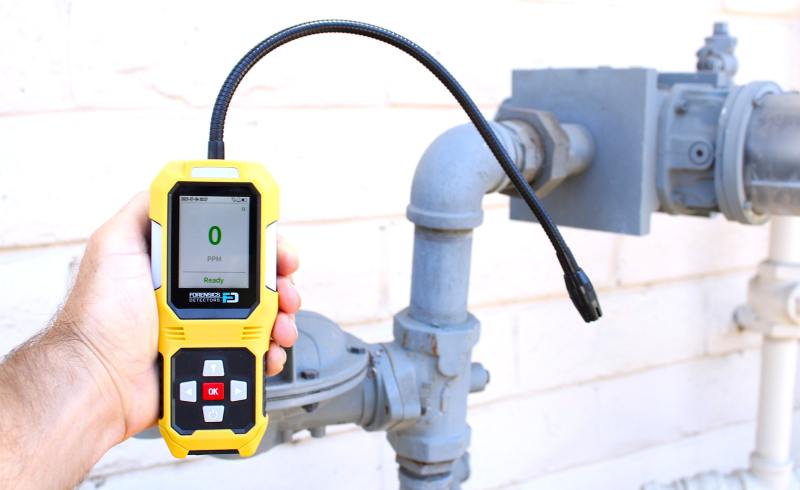
Specialized CO detection tools are used to measure indoor air levels.
Step 3: Appliance Inspection
We inspect:
- Furnaces
- Water heaters
- Stoves
- Fireplaces
- Gas-powered equipment
Step 4: Ventilation System Evaluation
Proper airflow is critical to preventing CO buildup.
We check:
- Exhaust vents
- Chimneys
- Flue systems
- Air intake systems
Step 5: Combustion Analysis
We evaluate whether appliances are burning fuel efficiently and safely.
Step 6: Risk Identification
We identify:
- Faulty appliances
- Blocked vents
- Improper combustion
- Potential CO sources
How Carbon Monoxide Builds Up
CO buildup typically occurs due to:
- Incomplete combustion
- Poor ventilation
- Blocked exhaust systems
- Malfunctioning appliances
Because CO is heavier than air in enclosed spaces, it can accumulate quickly indoors.
Role of Gas Systems in CO Risks
Gas systems are often linked to CO production when:
- Gas line installation is improper
- Gas fitting services are poorly executed
- Appliances are not correctly connected during gas appliance hook up
Connection to Other Gas Services
Carbon monoxide inspections often reveal issues that overlap with:
- Gas line repair needs
- Gas line installation issues
- Gas shutoff valve repair concerns
- Emergency gas service situations
Why Carbon Monoxide Inspections Are Essential for Safety
CO inspections are one of the most important preventive safety services because they identify invisible risks before they become dangerous.
They help:
- Prevent health exposure
- Detect faulty appliances early
- Ensure proper ventilation
- Maintain safe indoor environments
Preventing Carbon Monoxide Risks
Prevention includes:
- Regular appliance maintenance
- Annual inspections of gas systems
- Ensuring proper ventilation
- Monitoring furnace performance
Carbon Monoxide Inspection Cost Factors
Costs depend on:
- Size of property
- Number of appliances
- Complexity of gas systems
- Accessibility of equipment
Why Homeowners Choose Plumber On Demand
- Professional safety inspections
- Fast response
- Experienced technicians
- Reliable reporting and evaluation
Why Businesses Choose Us
- Commercial safety compliance
- Large system inspection capability
- Minimal operational disruption
- Reliable safety documentation
Service Coverage
We provide carbon monoxide inspection services for:
- Residential homes
- Commercial buildings
- Industrial facilities
- Multi-unit properties
Final Thoughts
Carbon monoxide inspection is a critical safety service that helps identify invisible risks in gas-powered systems and appliances. Because carbon monoxide cannot be detected without specialized tools, professional inspection is the only reliable way to ensure safety.
Plumber On Demand provides thorough carbon monoxide inspection services designed to protect people, properties, and systems.
Contact Plumber On Demand