
Black Mold Cleanup Bracebridge
 (459)
(459)
(459)

Black Mold Cleanup Services | Plumber On Demand
Controlled Cleanup for Suspected Black Mold and Musty Odor Concerns
Seeing dark mold growth in a basement, bathroom, or around water-damaged drywall can be unsettling. Many property owners call this “black mold.” While mold type cannot be confirmed by appearance alone, any suspected mold growth should be addressed with a controlled plan—especially when moisture conditions are ongoing.
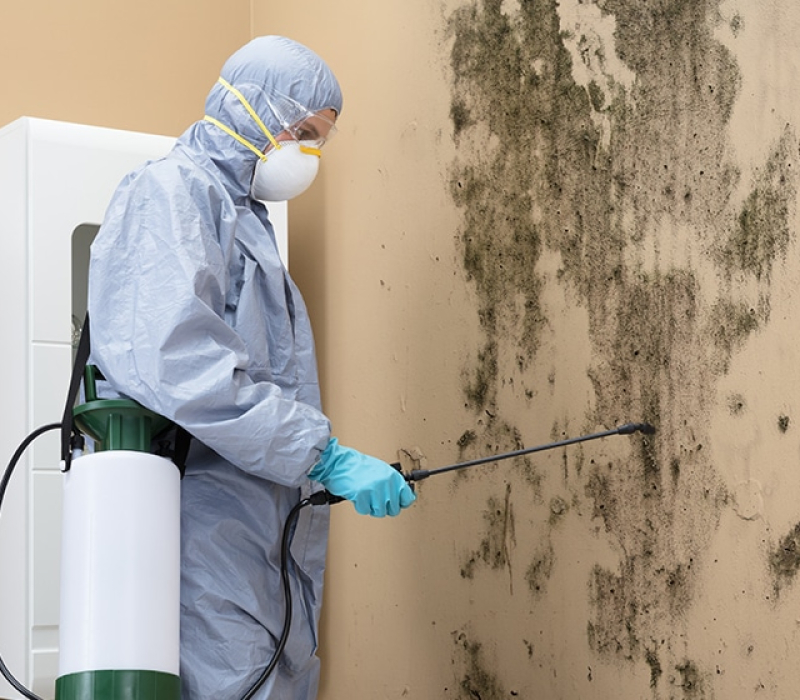
At Plumber On Demand, we provide black mold cleanup services for suspected black mold situations in residential and commercial properties. We focus on evaluating the moisture source, determining the appropriate scope, and applying controlled cleaning methods to help reduce spread and recurrence.
If you need black mold cleanup, contact Plumber On Demand today at 705-220-2903 to schedule an assessment.
What Black Mold Cleanup Means
Black mold cleanup typically refers to cleaning visible mold growth from appropriate surfaces while addressing moisture conditions that allow mold to return.
Black mold cleanup may include:
- Assessment of affected areas
- Moisture and humidity evaluation
- Controlled cleaning of appropriate surfaces
- Guidance on ventilation, drying, and prevention
- Recommendations for removal when porous materials are impacted
If contamination is extensive or porous materials are affected, removal or abatement may be recommended.
Why Prompt Cleanup Matters
Mold concerns can worsen when moisture remains active. Prompt cleanup helps:
- Reduce spread into nearby areas
- Improve musty odors and comfort conditions
- Reduce the chance of recurring growth
- Support safer repairs and restoration planning
- Limit damage to finishes and building materials
“Black Mold” and Visual Identification
Many molds can appear dark or black, and staining can also look like mold. Because appearance alone is not reliable, the most important factors are:
- Moisture source and dampness patterns
- Whether growth is recurring
- Whether porous materials are impacted
- Whether hidden moisture exists behind walls or under flooring
Professional assessment helps determine the right cleanup strategy.
Common Causes of Suspected Black Mold
Dark mold growth is commonly linked to:
- Basement dampness and seepage
- Flooding and water damage
- Hidden plumbing leaks behind walls
- Roof leaks and attic moisture
- Bathroom humidity and poor ventilation
- Condensation on cold surfaces
- HVAC drainage problems and elevated indoor humidity
Because mold is moisture-driven, cleanup works best when moisture conditions are corrected.
Signs You May Need Black Mold Cleanup
- Musty odors that persist
- Dark spotting on drywall, ceilings, trim, or grout
- Mold returning after repeated wipe-downs
- Condensation buildup in the same locations
- Water staining that keeps reappearing
- Damp materials in basements, crawlspaces, or bathrooms
If mold returns repeatedly, it often indicates that moisture or humidity problems are still present.
Why DIY Black Mold Cleanup Often Fails
DIY cleaning can remove visible growth, but it may not address underlying causes.
Common DIY problems include:
- Scrubbing without controlling moisture or humidity
- Spreading contamination when disturbing mold
- Missing hidden growth behind walls or under floors
- Using cleaning methods that do not match the surface type
- Ignoring ventilation and condensation contributors
Professional cleanup focuses on controlled methods and prevention guidance.
Our Black Mold Cleanup Process
• Initial Assessment
We evaluate affected areas, moisture history, and likely hidden dampness zones.
• Moisture and Humidity Evaluation
We consider leaks, seepage, condensation patterns, and ventilation/humidity conditions.
• Scope Recommendations
You receive guidance on:
- Whether cleanup is appropriate
- Whether removal is needed for porous materials
- Whether containment planning is recommended
- What repairs and prevention steps matter most
• Controlled Cleanup
We apply controlled cleaning methods appropriate for the surface type and severity.
• Prevention Guidance
We provide practical recommendations to reduce recurrence, including moisture correction and ventilation improvements.
Common Cleanup Areas
• Basements
Basements commonly develop mold due to higher humidity, cooler surfaces, and seepage concerns.
• Bathrooms
Bathrooms often have recurring mold due to frequent moisture and inadequate ventilation.
• Around Windows and Exterior Walls
Condensation on cold surfaces can drive recurring growth in corners and behind furniture.
• Utility Rooms and Mechanical Areas
Moisture around plumbing and mechanical systems can create persistent damp zones.
Humidity Control and Prevention
Many “black mold” complaints are driven by humidity and condensation rather than a single leak.
Prevention strategies often include:
- Improving ventilation in bathrooms and laundry rooms
- Managing basement humidity
- Addressing condensation on cold corners and windows
- Correcting hidden plumbing leaks
- Evaluating HVAC moisture contributors
Reducing moisture is often the key to preventing mold from returning.
Benefits of Hiring Plumber On Demand for Black Mold Cleanup
When you choose Plumber On Demand, you benefit from:
• Moisture-Aware Assessment
We focus on why mold is happening and what needs to change.
• Controlled Work Practices
We plan cleanup to reduce cross-contamination.
• Clear Recommendations
We provide practical next steps for repairs, ventilation, and prevention.
• Residential and Commercial Support
We support homeowners, landlords, property managers, and business owners.
Common Questions About Black Mold Cleanup
• Can you confirm black mold visually?
No. Mold type cannot be confirmed by appearance alone.
• Is cleanup enough if mold keeps coming back?
Recurring mold often indicates moisture or humidity problems that require correction and prevention planning.
• Does painting over mold fix it?
Painting over mold without correcting moisture conditions often leads to recurrence.
• Can a dehumidifier prevent mold?
Dehumidifiers can help manage humidity, but they do not stop leaks or seepage. Prevention often requires both.
Areas We Serve
Plumber On Demand provides suspected black mold cleanup services across a wide range of communities for residential and commercial properties.
Schedule Black Mold Cleanup Today
If you suspect black mold growth or persistent musty odors, Plumber On Demand is ready to help.
Contact Plumber On Demand today at 705-220-2903 to schedule an assessment and cleanup plan.
Frequently Asked Questions
• What should I do if I find mold after a leak?
Avoid disturbing the area. If safe, stop the moisture source and contact a professional for assessment and next steps.
• Can mold grow behind walls?
Yes. Hidden leaks and condensation can allow mold to develop in wall cavities.
• Can mold grow under flooring?
Yes. Trapped moisture under carpet, laminate, and underlay can support growth after leaks and floods.
• How do I get started?
Call Plumber On Demand at 705-220-2903 to discuss your concerns and schedule an assessment.
More Frequently Asked Questions
• Is “black mold” always dangerous?
Mold impacts vary, and the term “black mold” is often used based on appearance alone. The most important factor is the moisture condition causing growth and whether the mold is recurring or widespread.
• Can mold grow without a visible water leak?
Yes. Condensation, high humidity, and poor ventilation can create moisture even when there is no obvious leak.
• Why does my basement smell musty even if I don’t see mold?
Musty odors often indicate dampness, humidity imbalance, or hidden growth in basements, crawlspaces, or wall cavities. A professional assessment helps identify likely sources.
• Can mold grow behind baseboards?
Yes. Moisture can collect behind trim and baseboards, especially after flooding or slow leaks along exterior walls.
• Can mold grow inside wall cavities?
Yes. Slow plumbing leaks, roof leaks, and condensation can allow mold to develop behind drywall without obvious surface signs.
• Is it okay to scrub mold with a brush?
Aggressive scrubbing can disturb mold and spread contamination. Controlled cleanup and moisture correction are often more effective.
• Should I use bleach on mold?
Household products may change the appearance of staining on some surfaces, but they typically do not address hidden moisture or porous material contamination.
• Will a dehumidifier stop black mold from returning?
A dehumidifier can help manage humidity, but it will not stop leaks or seepage. Prevention often requires fixing moisture sources and improving ventilation.
• Can mold come from the HVAC system?
HVAC systems can contribute to moisture and humidity conditions. If dampness or drainage issues exist, they can increase recurrence risk.
• Do you clean mold on ceilings?
Yes. Ceiling mold is common in bathrooms and in rooms affected by roof leaks or poor ventilation. The right approach depends on the surface and moisture conditions.
• What if the mold is on drywall?
Drywall is porous. If drywall is impacted, removal may be recommended depending on severity and moisture conditions.
• What if the mold is on wood?
Wood framing and trim can be affected by moisture. Cleanup and prevention planning should focus on drying and moisture correction.
• Can mold grow under laminate floors?
Yes. Moisture can become trapped under laminate, especially after leaks or spills that were not fully dried.
• Does mold always mean I need removal?
Not always. Some situations are appropriate for controlled cleanup, while others require removal of impacted porous materials. Assessment helps determine the right scope.
• Can you help with recurring bathroom mold?
Yes. Bathroom mold often returns due to ventilation problems and persistent humidity. Prevention planning is often essential.
• Can you help with recurring basement mold?
Yes. Recurring basement mold frequently involves humidity management, seepage considerations, and airflow improvements.
• Should I run fans in the moldy area?
Uncontrolled airflow can spread contamination if mold is disturbed. Professional guidance helps determine the safest approach.
• How do I reduce condensation on windows?
Condensation reduction often involves improving ventilation, managing humidity, and addressing cold surfaces where moisture collects.
• What if I cleaned the mold but the smell remains?
Persistent odor often indicates hidden dampness, porous material impact, or recurring humidity issues. Assessment helps identify the cause.
• Do you work with landlords and property managers?
Yes. We support rental properties and managed buildings, including recurring moisture issues and tenant complaints.
• Do you provide emergency service?
Yes. If you have urgent mold concerns after a leak or water event, call 705-220-2903 for scheduling.
• How long does cleanup take?
Timelines vary based on the affected area size, surface type, and moisture conditions. We provide guidance after assessment.
• Can I paint after mold cleanup?
Painting should only happen after the underlying moisture issue is corrected and the surface is appropriately cleaned or removed as needed.
• How do I get a plan that prevents mold from returning?
A long-term plan typically includes moisture source correction, ventilation improvements, humidity management, and monitoring of previously damp areas.
Contact Plumber On Demand Today
Suspected black mold concerns should not be ignored. Controlled cleanup and moisture correction guidance can help reduce recurrence and support healthier indoor conditions.
Plumber On Demand provides professional black mold cleanup services for residential and commercial clients.
📞 Call 705-220-2903
Speak with our team, request an assessment, and learn how our cleanup services can help protect your property and indoor environment.