
Air Quality Testing Nobleton
 (459)
(459)
(459)
Comprehensive Air Quality Testing for Healthier Homes, Safer Air, and Better HVAC Performance
The air inside your home has a direct impact on your health, comfort, and overall quality of life. While most homeowners focus on temperature control, very few think about what they are actually breathing every day. Dust, allergens, mold spores, volatile organic compounds (VOCs), carbon dioxide levels, humidity imbalance, and poor ventilation can all contribute to unhealthy indoor air—even when your home looks clean.
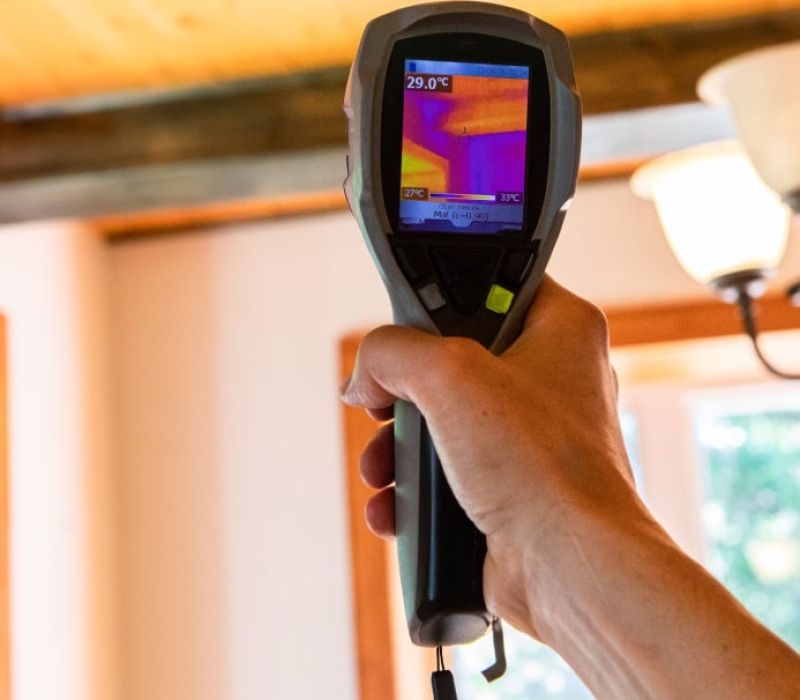
At Plumber On Demand, we provide professional air quality testing services designed to identify hidden indoor air problems and help homeowners create cleaner, healthier living environments. Our testing process evaluates the air inside your home, identifies potential contaminants, and helps determine whether your HVAC system, ventilation, humidity levels, or building conditions are contributing to poor air quality.
Indoor air can sometimes be more polluted than outdoor air, especially in tightly sealed modern homes where ventilation is limited. Without proper testing, many air quality issues go unnoticed for years while continuing to affect health and comfort.
Our goal is to help homeowners understand what is in their air, where issues are coming from, and how to improve overall indoor air quality through practical, effective solutions.
If you are concerned about the air you breathe, contact Plumber On Demand at 905-409-0719 for professional air quality testing.
What Is Air Quality Testing?
Air quality testing is the process of analyzing the air inside a building to identify contaminants, pollutants, and environmental conditions that may affect health and comfort.
Professional air quality testing typically evaluates:
- Airborne dust and particulate matter
- Mold spores
- Pollen and allergens
- Volatile organic compounds (VOCs)
- Carbon monoxide (CO)
- Carbon dioxide (CO₂)
- Humidity levels
- Ventilation effectiveness
- Airflow patterns
- Temperature balance
- HVAC-related contaminants
The goal is to determine whether indoor air is safe, balanced, and healthy for occupants.
Why Indoor Air Quality Matters
Most people spend the majority of their time indoors—often more than 80–90% of the day.
This means indoor air quality has a greater impact on health than outdoor pollution exposure.
Poor indoor air quality can contribute to:
- Allergies
- Asthma symptoms
- Respiratory irritation
- Headaches
- Fatigue
- Sleep disruption
- Eye, nose, and throat irritation
- Long-term respiratory conditions
Even mild air quality issues can affect comfort and daily well-being.
Why Air Quality Testing Is Important
Air quality testing helps homeowners understand invisible problems that cannot be detected visually.
Without testing, issues may go unnoticed such as:
- Hidden mold growth
- Poor ventilation
- Chemical off-gassing
- HVAC contamination
- Excess humidity or dryness
- Carbon monoxide risks
Professional testing provides data-driven insight into indoor environmental conditions.
Common Signs of Poor Indoor Air Quality
Many homes show warning signs that air quality may be compromised.
• Persistent Allergies or Respiratory Symptoms
If symptoms worsen indoors, it may indicate airborne irritants.
Common symptoms include:
- Sneezing
- Coughing
- Nasal congestion
- Eye irritation
- Breathing discomfort
• Excessive Dust Accumulation
Frequent dust buildup may indicate poor filtration or duct contamination.
• Musty or Chemical Odors
Unpleasant odors may come from:
- Mold growth
- VOC emissions
- HVAC issues
- Moisture problems
• Headaches or Fatigue Indoors
Poor air circulation or contaminants can affect oxygen levels and comfort.
• Uneven Humidity Levels
Humidity problems may cause:
- Dry air irritation
- Mold growth
- Condensation issues
• Poor Ventilation
Stale air or lack of fresh airflow may indicate ventilation problems.
What Causes Poor Indoor Air Quality?
Indoor air quality issues can originate from multiple sources.
• HVAC System Contamination
Heating and cooling systems can circulate contaminants if not properly maintained.
Sources include:
- Dirty filters
- Mold in ducts
- Dust buildup
- Poor airflow balance
• Building Materials and Furnishings
Many household items release VOCs over time.
Examples include:
- Paint
- Carpets
- Furniture
- Cleaning products
• Moisture and Humidity Issues
Excess moisture encourages mold and bacteria growth.
• Outdoor Pollutants
Outdoor air can enter the home through ventilation systems, windows, and doors.
• Poor Ventilation Design
Homes without adequate ventilation can trap pollutants indoors.
What Air Quality Testing Measures
Professional testing evaluates multiple environmental factors.
• Particulate Matter (PM2.5 and PM10)
These microscopic particles can penetrate deep into the lungs.
Sources include:
- Dust
- Smoke
- Pollution
- HVAC circulation
• Volatile Organic Compounds (VOCs)
VOCs are chemicals released from household materials.
Common sources:
- Cleaning products
- Paints
- Furniture
- Adhesives
• Carbon Dioxide (CO₂) Levels
High CO₂ levels may indicate poor ventilation and stale indoor air.
• Carbon Monoxide (CO)
Carbon monoxide is a dangerous, odorless gas produced by combustion appliances.
• Mold Spores
Airborne mold spores can indicate hidden moisture or mold growth.
• Humidity Levels
Ideal indoor humidity is typically between 30%–50%.
• Airflow and Ventilation Efficiency
Testing evaluates whether air is circulating properly throughout the home.
Types of Air Quality Testing
Different homes require different testing approaches.
• Basic Air Quality Screening
This includes general assessment of air conditions such as humidity, airflow, and visible concerns.
• Comprehensive Indoor Air Analysis
A more detailed evaluation that measures multiple contaminants and environmental conditions.
• Mold Air Testing
Focuses on identifying airborne mold spores and potential moisture issues.
• HVAC System Air Testing
Evaluates air quality within HVAC systems, ducts, and vents.
• VOC Testing
Measures chemical compounds released into indoor air.
• Carbon Monoxide Testing
Assesses safety levels of combustion gases.
Air Quality Testing and HVAC Systems
Your HVAC system plays a major role in indoor air quality.
• Air Circulation
HVAC systems distribute air throughout the home, impacting overall air quality.
• Filtration Performance
Filters help capture:
- Dust
- Allergens
- Particles
• Ductwork Contamination
Dirty ducts can spread contaminants throughout the home.
• Humidity Control
HVAC systems help regulate indoor moisture levels.
• Ventilation Support
Proper HVAC design improves air exchange and freshness.
Benefits of Professional Air Quality Testing
Air quality testing provides valuable insights for homeowners.
• Identifies Hidden Problems
Many air quality issues are not visible without testing.
• Improves Health and Comfort
Better air quality supports:
- Easier breathing
- Reduced allergies
- Improved sleep quality
• Supports HVAC Optimization
Testing can reveal system inefficiencies affecting air quality.
• Reduces Long-Term Costs
Early detection helps prevent expensive repairs or remediation.
• Improves Energy Efficiency
Balanced air systems operate more efficiently.
What Happens During Air Quality Testing
A professional air quality testing process typically includes several steps.
• Initial Home Assessment
Technicians evaluate:
- Home layout
- HVAC system
- Occupant concerns
• Air Sampling
Air samples are collected from different areas of the home.
• Environmental Measurements
Technicians measure:
- Humidity
- Temperature
- CO₂ levels
- Airflow
• HVAC System Inspection
The system is checked for contamination or performance issues.
• Data Analysis
Collected data is reviewed to identify air quality concerns.
• Recommendations
Homeowners receive recommendations for improving indoor air quality.
Common Air Quality Problems Found in Homes
Air quality testing often reveals issues such as:
• High Dust Levels
Often caused by poor filtration or duct contamination.
• Mold Growth
Usually caused by excess moisture or poor ventilation.
• Poor Air Circulation
Stagnant air leads to pollutant buildup.
• High VOC Levels
Common in newly renovated or furnished homes.
• Humidity Imbalance
Too much or too little humidity affects comfort and health.
Solutions After Air Quality Testing
Once issues are identified, several solutions may be recommended.
• HVAC Maintenance or Cleaning
Improves system performance and reduces contaminants.
• Air Purification Systems
Help remove airborne particles and allergens.
• Dehumidifiers or Humidifiers
Balance indoor moisture levels.
• Duct Cleaning or Repair
Removes contaminants and improves airflow.
• Ventilation Improvements
Enhances fresh air circulation throughout the home.
Air Quality Testing and Health Benefits
Improved air quality can support:
- Better respiratory health
- Reduced allergy symptoms
- Improved sleep
- Fewer headaches
- Increased comfort
Indoor Air Quality and Energy Efficiency
Balanced air systems operate more efficiently, reducing energy waste and improving HVAC performance.
Who Should Consider Air Quality Testing?
Air quality testing is recommended for:
- Homes with allergy sufferers
- Newly built homes
- Recently renovated homes
- Older homes
- Homes with pets
- Homes with moisture issues
- Homes with HVAC concerns
Air Quality Testing for New Homes
New homes often contain VOCs from construction materials.
Testing helps ensure safe indoor air conditions.
Air Quality Testing for Older Homes
Older homes may have:
- Mold issues
- Poor ventilation
- Aging HVAC systems
Testing helps identify hidden concerns.
Air Quality Testing and HVAC Maintenance Connection
HVAC maintenance and air quality testing work together to improve indoor environments.
Maintenance supports:
- Clean airflow
- Efficient operation
- Reduced contaminants
Testing identifies deeper environmental issues.
Why Choose Plumber On Demand for Air Quality Testing
Homeowners trust Plumber On Demand for professional HVAC and indoor air services.
• Experienced Technicians
We understand HVAC systems and indoor air dynamics.
• Comprehensive Testing
We evaluate multiple air quality factors for accurate results.
• Clear Reporting
We explain findings in a simple, understandable way.
• Practical Solutions
We provide actionable recommendations to improve air quality.
• Customer-Focused Service
We prioritize comfort, safety, and long-term home health.
Frequently Asked Questions About Air Quality Testing
• How Long Does Air Quality Testing Take?
Most testing appointments take a few hours depending on home size.
• Is Indoor Air Quality Testing Necessary?
Yes, especially if you notice symptoms or suspect air quality issues.
• Can HVAC Systems Affect Air Quality?
• Yes.
HVAC systems circulate air throughout the home.
• What Is the Most Common Air Quality Problem?
Poor ventilation and excess dust are among the most common issues.
• Can Air Quality Testing Detect Mold?
Yes, airborne mold spores can be identified through testing.
• How Often Should Air Quality Be Tested?
Testing is recommended when symptoms appear or after renovations.
Schedule Professional Air Quality Testing Today
Indoor air quality plays a major role in your health, comfort, and overall well-being. Many air quality issues are invisible and cannot be detected without proper testing. Dust, allergens, mold spores, VOCs, humidity imbalance, and ventilation problems can all impact your home environment without obvious warning signs.
At Plumber On Demand, we provide professional air quality testing services designed to help homeowners understand what they are breathing and how to improve it. Our experienced technicians evaluate your home’s air conditions and provide clear recommendations to help create a healthier indoor environment.
If you’re concerned about the air in your home, don’t ignore the warning signs.
Call Plumber On Demand at 905-409-0719 today to schedule professional air quality testing and take the first step toward cleaner, healthier indoor air.
Contact Plumber On Demand