
HVAC Replacement Nobleton
 (459)
(459)
(459)

When an HVAC System Reaches the End of Its Life
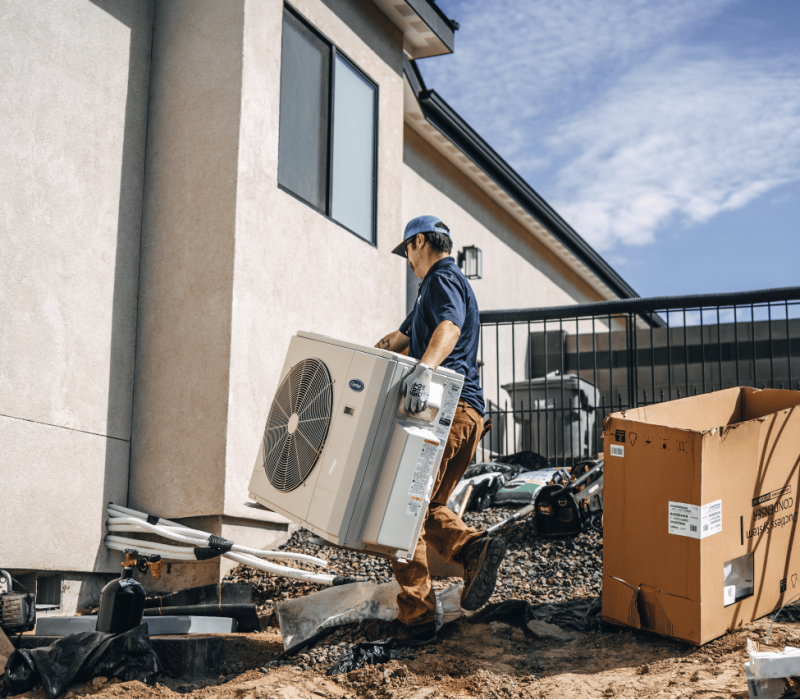
HVAC replacement is the process of removing an existing heating and cooling system and installing a new one in its place. Unlike HVAC repair, which focuses on fixing specific issues, replacement is about recognizing when a system is no longer efficient, reliable, or cost-effective to maintain.
Most HVAC systems don’t fail suddenly. Instead, they gradually lose performance over time. They may start requiring frequent repairs, struggle to maintain consistent temperatures, or consume more energy than they should. At a certain point, continuing to repair an old system becomes more expensive than replacing it entirely.
At Plumber On Demand, HVAC replacement services focus on upgrading outdated systems to modern, energy-efficient units that improve comfort, reliability, and long-term performance.
For HVAC replacement services, call 905-409-0719.
What HVAC Replacement Involves
HVAC replacement is a full system transition, which typically includes:
- Removing the old furnace or heating system
- Removing the air conditioning unit
- Updating or modifying duct connections if needed
- Installing new HVAC equipment
- Connecting electrical and control systems
- Testing airflow and temperature performance
It is a complete upgrade of the home’s heating and cooling infrastructure.
Why HVAC Replacement Becomes Necessary
There are several reasons homeowners and businesses choose HVAC replacement instead of continued repair.
• 1. System Age
Most HVAC systems last a limited number of years. As they age, efficiency declines and breakdowns become more frequent.
• 2. Frequent Repairs
If a system constantly needs service, replacement often becomes the more practical option.
• 3. High Energy Bills
Older systems consume more energy to deliver the same level of comfort.
• 4. Uneven Heating and Cooling
Rooms that are too hot or too cold indicate system inefficiency.
• 5. Outdated Technology
Older systems lack modern energy-saving features and smart controls.
Signs You May Need HVAC Replacement
HVAC replacement is often considered when:
- The system struggles to maintain temperature
- Repairs are becoming frequent and expensive
- Airflow is weak or inconsistent
- The system is over 10–20 years old
- Energy bills continue increasing
Residential HVAC Replacement
In homes, HVAC replacement is usually driven by comfort and cost concerns.
Common residential situations include:
- Old furnace failure
- Inefficient air conditioning
- Uneven room temperatures
- Upgrading to energy-efficient systems
Homeowners often notice immediate improvements after replacement.
Commercial HVAC Replacement
In commercial buildings, replacement is often strategic and operational.
Common commercial needs include:
- Outdated rooftop systems
- Inefficient climate control
- Expanding building requirements
- System breakdowns affecting operations
Businesses often replace systems to reduce downtime and energy costs.
The HVAC Replacement Process
Replacing an HVAC system involves careful planning and execution.
• Step 1: System Evaluation
The existing system is reviewed to determine:
- Condition of equipment
- Efficiency level
- Compatibility with new systems
- Ductwork condition
• Step 2: Load and Size Calculation
A new system must be properly sized based on:
- Home size
- Insulation
- Layout
- Climate needs
• Step 3: System Selection
Different HVAC systems may be considered:
- High-efficiency furnaces
- Central air systems
- Heat pumps
- Hybrid systems
• Step 4: Removal of Old Equipment
The existing system is safely disconnected and removed.
• Step 5: Installation of New System
New equipment is installed, including:
- Furnace or heating unit
- Air conditioning unit
- Air handler or blower system
- Thermostat and controls
• Step 6: System Integration
All components are connected and balanced for airflow and performance.
• Step 7: Testing and Calibration
The system is tested for:
- Temperature consistency
- Airflow balance
- Energy efficiency
- Proper cycling
Upgrading Efficiency Through HVAC Replacement
Modern HVAC systems are significantly more efficient than older units.
Benefits include:
- Lower energy consumption
- Faster heating and cooling
- Better humidity control
- Improved indoor air quality
Ductwork Considerations in Replacement
Sometimes HVAC replacement requires ductwork adjustments.
Issues may include:
- Leaks in old ducts
- Poor airflow design
- Undersized duct systems
Improving ductwork can dramatically increase system performance.
HVAC Replacement Cost Factors
Costs vary depending on:
- Size of the system
- Type of HVAC unit
- Ductwork modifications
- Energy efficiency rating
- Installation complexity
Repair vs Replacement Decision
A common question is whether to repair or replace.
Replacement is often better when:
- System is older
- Repairs are frequent
- Efficiency is low
- Comfort is inconsistent
Repair may still be suitable when:
- Issues are minor
- System is relatively new
Benefits of HVAC Replacement
Replacing an HVAC system can provide:
- Better comfort
- Lower monthly energy bills
- Fewer breakdowns
- Quieter operation
- Improved air quality
Maintenance After HVAC Replacement
Even new systems require care:
- Filter changes
- Seasonal inspections
- Thermostat checks
- Airflow monitoring
Why Homeowners Choose Plumber On Demand
- Honest system evaluations
- Professional installation standards
- Long-term efficiency focus
- Reliable service support
Why Businesses Choose Us
- Reduced downtime
- Commercial system expertise
- Efficient project execution
- Energy cost reduction
Service Coverage
We provide HVAC replacement for:
- Residential homes
- Commercial buildings
- Office spaces
- Retail locations
- Large facilities
HVAC replacement is a major but often necessary upgrade for systems that are no longer efficient or reliable. While repairs can extend system life temporarily, replacement provides long-term stability, improved comfort, and better energy efficiency.
Plumber On Demand delivers professional HVAC replacement services designed to upgrade outdated systems with modern, high-performance solutions.
Contact Plumber On Demand
📞 905-409-0719