
HVAC Inspection Acton
 (459)
(459)
(459)
HVAC Inspection
Your heating and cooling system is one of the most important investments in your home or business. It works year-round to maintain comfortable indoor temperatures, regulate humidity, and improve indoor air quality. Because your HVAC system operates through every season, regular HVAC inspection services are essential for maintaining efficiency, preventing unexpected breakdowns, and extending the life of your equipment.
Many HVAC problems develop gradually. A loose electrical connection, dirty evaporator coil, worn blower motor, or failing capacitor may not immediately stop your system from operating, but these issues can reduce efficiency, increase energy costs, and eventually lead to expensive repairs. A professional HVAC inspection helps identify these concerns before they become major problems.
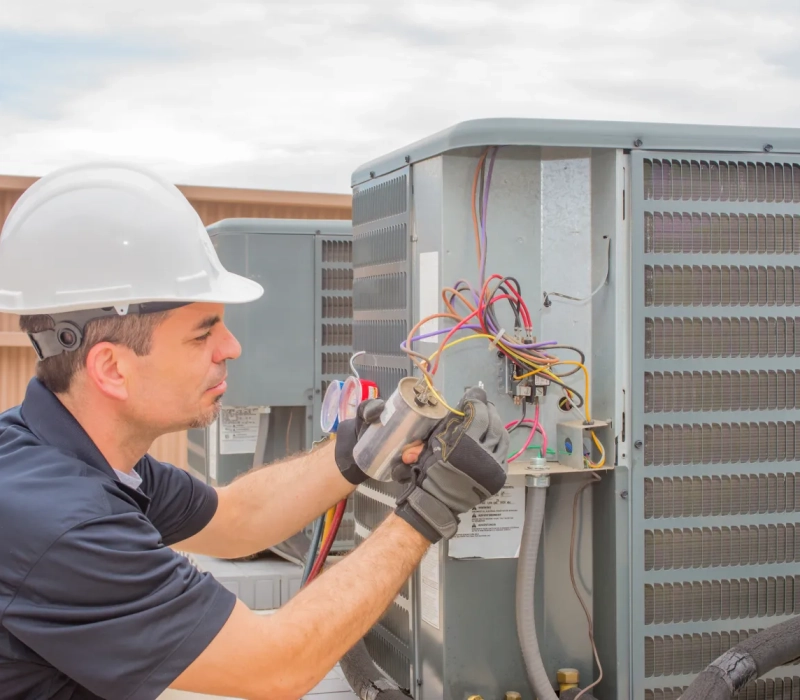
At Plumber On Demand, we provide comprehensive HVAC inspection services designed to evaluate the overall health of your heating and cooling system. Our experienced technicians carefully inspect every major component, identify potential issues, and provide clear recommendations that help you make informed decisions about your HVAC equipment.
Whether you own a single-family home, condominium, office building, retail space, or commercial property, routine HVAC inspections provide peace of mind while helping your system perform reliably throughout the year.
To schedule your professional HVAC inspection, contact Plumber On Demand today at 905-409-0596.
What Is an HVAC Inspection?
An HVAC inspection is a detailed evaluation of your heating, ventilation, and air conditioning system. Rather than focusing on repairing a specific problem, an inspection examines the condition, performance, safety, and efficiency of the entire system.
During a professional HVAC inspection, technicians evaluate numerous components to determine whether the equipment is operating safely and according to manufacturer specifications.
A comprehensive inspection may include:
- Furnace inspection
- Air conditioner inspection
- Heat pump inspection
- Thermostat testing
- Airflow evaluation
- Electrical system inspection
- Refrigerant assessment
- Blower motor inspection
- Air filter evaluation
- Ductwork inspection
- Condensate drain inspection
- Safety control testing
- System performance analysis
The goal is to identify existing issues, detect early signs of wear, and recommend any maintenance or repairs needed to keep your HVAC system operating efficiently.
Why Regular HVAC Inspections Are Important
Many homeowners only think about their HVAC system when something stops working. Unfortunately, waiting until a breakdown occurs often results in more extensive repairs and higher costs.
Routine HVAC inspections help uncover problems while they are still relatively minor.
Some of the biggest benefits include:
- Improved system reliability
- Better indoor comfort
- Lower energy consumption
- Longer equipment lifespan
- Reduced repair costs
- Improved indoor air quality
- Enhanced safety
- Greater peace of mind
A properly maintained HVAC system doesn’t just perform better—it also operates more efficiently, helping reduce monthly utility expenses.
How an HVAC Inspection Helps Prevent Costly Repairs
Small mechanical issues rarely stay small for long.
For example:
A loose electrical connection can eventually damage a circuit board.
A clogged air filter may cause airflow restrictions that place unnecessary strain on the blower motor.
Dirty condenser coils force the air conditioner to work harder, increasing compressor wear.
Low refrigerant levels can reduce cooling performance while placing additional stress on the compressor.
During an HVAC inspection, these developing issues can often be identified before they lead to complete system failure.
Preventative inspections save money by reducing the likelihood of emergency repairs and extending equipment life.
When Should You Schedule an HVAC Inspection?
One of the most common questions homeowners ask is how often their HVAC system should be inspected.
Although every property is different, annual inspections are generally recommended for most residential systems.
Many homeowners choose to schedule inspections twice each year:
- Spring before cooling season
- Fall before heating season
This approach helps prepare the system for periods of heavy demand while identifying any maintenance needs in advance.
Additional inspections may be beneficial if:
- You’ve recently purchased a home.
- Your HVAC system is over ten years old.
- Your utility bills have increased unexpectedly.
- You’re experiencing uneven temperatures.
- The system is making unusual noises.
- Airflow seems weaker than normal.
- You notice unpleasant odors.
- The equipment cycles on and off frequently.
Routine inspections provide valuable information that helps prevent unexpected breakdowns throughout the year.
What Happens During a Professional HVAC Inspection?
A thorough HVAC inspection involves much more than a quick visual examination.
Experienced technicians systematically evaluate each major component of the system to verify proper operation and identify any concerns.
Every inspection is designed to assess both performance and safety.
Below are some of the most important areas evaluated during a professional HVAC inspection.
• Thermostat Inspection
The thermostat serves as the control center for your entire HVAC system.
Even a properly functioning heating or cooling system cannot perform efficiently if the thermostat is inaccurate or malfunctioning.
During an inspection, technicians evaluate:
- Temperature accuracy
- Calibration
- Programming
- Wiring connections
- Communication with HVAC equipment
- Battery condition (if applicable)
An improperly calibrated thermostat may cause the system to operate longer than necessary, increasing energy consumption while reducing indoor comfort.
• Air Filter Inspection
Air filters play a critical role in protecting HVAC equipment while improving indoor air quality.
Dirty filters restrict airflow, forcing the system to work harder to circulate conditioned air.
During an HVAC inspection, technicians evaluate:
- Filter condition
- Proper installation
- Airflow restrictions
- Replacement recommendations
Replacing air filters regularly is one of the simplest ways to improve HVAC performance.
• Blower Motor Inspection
The blower motor circulates heated or cooled air throughout your home.
A worn or failing blower motor can significantly reduce airflow while increasing energy consumption.
Inspection includes checking:
- Motor operation
- Bearing condition
- Electrical performance
- Airflow
- Noise levels
- Mounting hardware
Early detection helps prevent complete motor failure.
• Electrical System Inspection
Modern HVAC systems rely on numerous electrical components working together safely.
Electrical issues are among the most common causes of HVAC problems.
Technicians inspect:
- Wiring
- Capacitors
- Contactors
- Circuit boards
- Electrical connections
- Voltage readings
- Current draw
- Safety switches
Loose or damaged electrical connections are corrected before they create larger problems.
• Airflow Evaluation
Proper airflow is essential for efficient heating and cooling.
Restricted airflow can reduce comfort while placing unnecessary strain on the HVAC system.
During the inspection, technicians evaluate:
- Supply airflow
- Return airflow
- Vent operation
- Air balance
- Air pressure
- Obstructions
- Blower performance
Correct airflow improves efficiency while maintaining consistent indoor temperatures.
• Ductwork Inspection
Even the most efficient HVAC equipment cannot perform properly if conditioned air escapes through damaged ductwork.
A duct inspection may include evaluating:
- Visible duct damage
- Air leaks
- Loose connections
- Insulation condition
- Airflow restrictions
- Dust accumulation
Identifying duct issues helps improve system efficiency and indoor comfort.
• Evaporator Coil Inspection
The evaporator coil is responsible for absorbing heat from inside your home.
Dirty or damaged coils reduce cooling efficiency while increasing energy costs.
Technicians inspect:
- Coil cleanliness
- Ice accumulation
- Airflow
- Physical damage
- Drainage performance
Keeping coils clean helps maintain efficient operation throughout the cooling season.
• Condenser Inspection
The outdoor condenser unit releases heat absorbed from your home during cooling operation.
Since it is exposed to weather throughout the year, regular inspections are especially important.
Technicians examine:
- Coil condition
- Fan operation
- Debris accumulation
- Refrigerant lines
- Electrical connections
- Physical damage
A clean, properly operating condenser improves cooling performance while reducing compressor strain.
• Refrigerant System Inspection
The refrigerant system allows your HVAC equipment to transfer heat efficiently.
Low refrigerant levels may indicate a leak that requires professional attention.
During inspection, technicians evaluate:
- Refrigerant pressures
- Line condition
- Visible leaks
- Coil performance
- Overall cooling efficiency
Maintaining proper refrigerant levels helps protect expensive system components while maximizing performance.
• Condensate Drain Inspection
Air conditioning systems naturally produce condensation during operation.
If the condensate drain becomes clogged, water may overflow and cause damage to surrounding areas.
Inspection includes:
- Drain line condition
- Blockages
- Drain pan
- Proper drainage
- Moisture buildup
Keeping the drainage system clean helps prevent water damage and mold growth.
• Safety Control Testing
Safety devices protect both your HVAC equipment and your home.
Technicians verify the operation of important safety controls to ensure the system responds properly during abnormal operating conditions.
Safety inspections may include:
- High-limit switches
- Pressure switches
- Flame sensors (where applicable)
- Carbon monoxide safety devices
- Electrical disconnects
Properly functioning safety controls reduce the risk of equipment damage and improve system reliability.
• Performance Testing
After completing the physical inspection, technicians evaluate the overall performance of the HVAC system.
Testing may include:
- Heating output
- Cooling output
- Temperature differential
- Airflow measurements
- System cycling
- Operating pressures
- Electrical efficiency
Performance testing helps verify that the system is operating as intended.
Residential HVAC Inspection Services
Your home’s HVAC system operates almost every day of the year, keeping your family comfortable through changing seasons. Because heating and cooling equipment experiences constant wear, regular HVAC inspection services are one of the best ways to protect your investment and avoid unexpected breakdowns.
A residential HVAC inspection provides a complete picture of your system’s overall condition. Instead of waiting for a problem to appear, homeowners can identify developing issues early, allowing for timely maintenance or repairs before they become more expensive.
At Plumber On Demand, we inspect all major residential HVAC equipment, regardless of the age or manufacturer. Every inspection is performed with attention to detail, giving homeowners confidence that their heating and cooling system is operating safely and efficiently.
Our residential HVAC inspections help identify:
- Worn electrical components
- Dirty coils
- Airflow restrictions
- Thermostat problems
- Ductwork concerns
- Refrigerant issues
- Safety hazards
- Declining system performance
- Components nearing the end of their service life
By identifying these concerns early, homeowners can make informed decisions about maintenance, repairs, and future equipment planning.
Commercial HVAC Inspection
Commercial HVAC systems often operate for extended hours and serve much larger spaces than residential systems. Offices, retail stores, restaurants, warehouses, healthcare facilities, and industrial buildings all rely on dependable heating and cooling equipment to maintain comfortable indoor environments.
A professional HVAC inspection helps business owners reduce the risk of unexpected equipment failures that could interrupt daily operations or affect employees and customers.
Commercial inspections commonly evaluate:
- Rooftop HVAC units
- Split systems
- Packaged HVAC systems
- Multi-zone systems
- Air handlers
- Exhaust systems
- Ventilation equipment
- Thermostat controls
- Electrical systems
- Air distribution systems
Routine inspections also help facility managers plan preventative maintenance and budget for future equipment upgrades.
HVAC Inspection for New Home Buyers
Purchasing a home is one of the largest investments most people will ever make. While a general home inspection provides an overview of the property, it may not include an in-depth evaluation of the HVAC system.
A dedicated HVAC inspection offers valuable insight into the condition of the heating and cooling equipment before closing.
An HVAC inspection for homebuyers may reveal:
- Aging equipment
- Deferred maintenance
- Hidden performance issues
- Airflow problems
- Refrigerant leaks
- Electrical concerns
- Improper installations
- Safety issues
- Expected remaining service life
Understanding the condition of the HVAC system before purchasing a property helps buyers avoid unexpected expenses after moving in.
HVAC Inspection Before Selling Your Home
Home sellers can also benefit from scheduling a professional HVAC inspection before listing their property.
A well-maintained HVAC system can improve buyer confidence while reducing the likelihood of surprises during negotiations.
Benefits include:
- Identifying repair needs in advance
- Demonstrating responsible home maintenance
- Improving buyer confidence
- Reducing transaction delays
- Supporting property value
Addressing HVAC concerns before listing your home may help simplify the sales process.
HVAC Inspection for Older Systems
Older HVAC systems often continue operating reliably with proper maintenance. However, as equipment ages, regular inspections become increasingly important.
Components naturally experience wear after years of operation.
Older systems may develop:
- Electrical deterioration
- Reduced efficiency
- Airflow restrictions
- Mechanical wear
- Refrigerant concerns
- Corrosion
- Thermostat inaccuracies
Routine HVAC inspections allow technicians to monitor equipment condition and recommend maintenance that helps extend system life whenever possible.
Indoor Air Quality Assessment
Your HVAC system does much more than heat and cool your home. It also plays a major role in indoor air quality.
A comprehensive HVAC inspection often includes evaluating factors that may affect the air you breathe every day.
Technicians may assess:
- Air filter condition
- Air circulation
- Humidity levels
- Dust accumulation
- Ventilation performance
- Airflow balance
Poor indoor air quality can contribute to discomfort, excessive dust, stale air, and uneven temperatures throughout the home.
Identifying these issues allows homeowners to improve both comfort and overall system performance.
Energy Efficiency Evaluation
One of the primary goals of an HVAC inspection is determining whether the system is operating as efficiently as possible.
Even if the equipment appears to be functioning normally, hidden problems may increase energy consumption without obvious warning signs.
Technicians evaluate several factors affecting efficiency, including:
- Airflow
- Coil cleanliness
- Thermostat accuracy
- Refrigerant performance
- Electrical operation
- Blower efficiency
- System cycling
Improving efficiency not only lowers energy costs but also reduces wear on major HVAC components.
Signs You Need an HVAC Inspection
Although annual inspections are recommended, homeowners should also schedule an HVAC inspection whenever they notice changes in system performance.
Common warning signs include:
• Uneven Temperatures
If some rooms remain comfortable while others feel significantly warmer or cooler, the HVAC system may have airflow or balancing issues.
• Higher Utility Bills
An unexpected increase in heating or cooling costs often indicates declining system efficiency.
An HVAC inspection helps identify the underlying cause before energy waste continues.
• Unusual Noises
Grinding, rattling, buzzing, squealing, or banging noises should never be ignored.
These sounds often indicate worn mechanical components or loose hardware requiring attention.
• Weak Airflow
Reduced airflow may result from dirty filters, blower problems, duct restrictions, or other system issues.
Poor airflow decreases comfort while reducing HVAC efficiency.
• Frequent Cycling
An HVAC system that turns on and off repeatedly throughout the day may be experiencing thermostat issues, airflow restrictions, electrical problems, or equipment sizing concerns.
Professional inspection helps determine the exact cause.
• Unpleasant Odors
Musty odors, burning smells, or unusual indoor air odors may indicate problems requiring immediate inspection.
These odors can sometimes signal electrical concerns, mold growth, or accumulated debris within the HVAC system.
• Inconsistent Heating or Cooling
If your system struggles to maintain the thermostat setting, professional HVAC inspection can determine whether mechanical problems are affecting overall performance.
HVAC Inspection Checklist
Every HVAC system is different, but a comprehensive inspection generally follows a detailed checklist designed to evaluate the system from top to bottom.
A professional HVAC inspection may include:
Heating Equipment
- Furnace inspection
- Burner inspection
- Heat exchanger evaluation
- Ignition system testing
- Safety control inspection
- Airflow verification
Cooling Equipment
- Condenser inspection
- Evaporator coil inspection
- Refrigerant evaluation
- Drain inspection
- Fan operation
- Cooling performance testing
Electrical Components
- Capacitors
- Contactors
- Wiring
- Disconnects
- Voltage testing
- Current measurements
Air Distribution
- Supply vents
- Return vents
- Airflow balance
- Duct condition
- Filter inspection
Controls
- Thermostat testing
- Programming verification
- Calibration
- Communication with HVAC equipment
Safety
- Safety switches
- Emergency shutoffs
- Carbon monoxide concerns (where applicable)
- Equipment clearances
- Ventilation assessment
Common Problems Found During an HVAC Inspection
Every inspection is unique, but technicians frequently discover issues that homeowners were unaware of.
Some of the most common findings include:
- Dirty air filters
- Loose electrical connections
- Dirty evaporator coils
- Dirty condenser coils
- Refrigerant concerns
- Worn capacitors
- Aging contactors
- Blocked condensate drains
- Airflow restrictions
- Thermostat calibration issues
- Blower motor wear
- Duct leakage
- Poor insulation around ductwork
Identifying these problems early often prevents significantly larger repair bills in the future.
Why Professional HVAC Inspections Matter
Some homeowners perform basic maintenance such as replacing filters or clearing debris around outdoor equipment. While these tasks are important, they cannot replace a professional HVAC inspection.
Experienced technicians use specialized tools and testing equipment to evaluate components that are not easily accessible or visible.
Professional inspections provide:
- Accurate system evaluation
- Early problem detection
- Improved energy efficiency
- Better indoor comfort
- Longer equipment lifespan
- Reduced repair costs
- Greater operating reliability
- Improved system safety
Having your HVAC system inspected by trained professionals helps ensure every major component is evaluated according to industry best practices.
How Often Should Commercial Buildings Schedule HVAC Inspections?
Commercial HVAC systems generally experience heavier workloads than residential equipment due to longer operating hours and larger conditioned spaces.
Many commercial properties benefit from inspections multiple times each year, particularly before periods of peak heating and cooling demand.
Regular inspections help business owners:
- Reduce unexpected downtime
- Protect valuable equipment
- Improve employee comfort
- Enhance customer experience
- Lower operating expenses
- Support preventative maintenance programs
A proactive inspection schedule often costs far less than emergency repairs or unexpected equipment replacement.
Seasonal HVAC Inspections
Your HVAC system works through changing weather conditions all year long. Each season places different demands on your heating and cooling equipment, which is why scheduling a professional HVAC inspection before periods of heavy use is one of the best ways to maintain reliable performance.
Rather than waiting for extreme temperatures to reveal hidden problems, seasonal inspections help ensure your system is prepared before you depend on it the most.
• Spring HVAC Inspection
Spring is the ideal time to inspect your cooling system before warmer weather arrives.
During the winter months, outdoor equipment is exposed to snow, ice, moisture, wind, and debris. Even if everything appears to be operating normally, a spring HVAC inspection can uncover developing issues before the air conditioner begins running daily.
A spring inspection may include:
- Condenser coil inspection
- Refrigerant level evaluation
- Condensate drain inspection
- Fan motor testing
- Thermostat calibration
- Electrical system inspection
- Air filter evaluation
- Airflow testing
Preparing your cooling system before summer helps improve efficiency while reducing the likelihood of unexpected breakdowns.
• Summer HVAC Inspection
Although many homeowners schedule inspections before summer begins, mid-season inspections may also be beneficial for systems operating under heavy demand.
A summer HVAC inspection focuses on maintaining cooling performance during periods of prolonged operation.
Technicians evaluate:
- Cooling capacity
- Refrigerant pressures
- Compressor performance
- Outdoor unit condition
- Electrical components
- Air circulation
- System cycling
Detecting developing issues early helps avoid emergency repairs during the hottest days of the year.
• Fall HVAC Inspection
Before colder weather arrives, it’s important to verify that your heating equipment is ready for the season ahead.
A fall HVAC inspection provides an opportunity to identify worn components before your furnace or heat pump begins operating continuously.
Common inspection points include:
- Heating performance
- Thermostat operation
- Heat exchanger condition
- Safety controls
- Airflow
- Blower motor performance
- Air filter condition
- Electrical testing
Fall inspections help ensure dependable heating while improving efficiency throughout the winter months.
• Winter HVAC Inspection
Winter places significant demands on heating equipment.
If your HVAC system begins showing signs of reduced performance during cold weather, a professional inspection can help determine the cause before a complete breakdown occurs.
Winter inspections often evaluate:
- Heating output
- System cycling
- Airflow
- Electrical components
- Thermostat accuracy
- Blower operation
- Safety devices
Prompt inspections during the heating season help restore comfort while minimizing further equipment wear.
What Happens After an HVAC Inspection?
Once the inspection has been completed, the technician reviews the findings with the property owner.
Rather than simply stating whether the system is working, a professional HVAC inspection provides a detailed overview of the equipment’s overall condition.
The technician may discuss:
- Current system performance
- Areas requiring maintenance
- Components showing signs of wear
- Recommended repairs
- Safety concerns
- Energy efficiency observations
- Maintenance suggestions
- Expected equipment lifespan
This information allows homeowners and business owners to prioritize maintenance while planning for future repairs or equipment upgrades.
Understanding Your HVAC Inspection Report
A comprehensive HVAC inspection often concludes with a written report outlining the condition of the system.
Although reports may vary depending on the property and equipment, they commonly include:
- Equipment identification
- Inspection findings
- Performance observations
- Safety notes
- Maintenance recommendations
- Repair recommendations
- Component condition
- General system assessment
Having documentation of your HVAC inspections also provides a valuable maintenance history that can be referenced during future service appointments.
Preventative Maintenance Recommendations
One of the greatest advantages of an HVAC inspection is the opportunity to prevent future problems before they develop.
Depending on the condition of your system, technicians may recommend preventative maintenance such as:
- Replacing air filters
- Cleaning evaporator coils
- Cleaning condenser coils
- Clearing condensate drains
- Tightening electrical connections
- Lubricating moving components where applicable
- Adjusting blower assemblies
- Calibrating thermostats
- Inspecting ductwork
- Monitoring refrigerant performance
Preventative maintenance keeps your HVAC system operating efficiently while helping reduce long-term repair costs.
Benefits of Routine HVAC Inspections
Many property owners view HVAC inspections as another maintenance task on their to-do list. In reality, regular inspections provide lasting benefits that help protect one of the most valuable mechanical systems in your home or business.
Some of the biggest advantages include:
• Increased Equipment Life
Routine inspections help identify minor wear before it affects major components.
When problems are addressed early, the overall lifespan of your HVAC equipment can often be extended.
• Improved Comfort
An HVAC system operating at peak efficiency maintains more consistent indoor temperatures throughout the property.
Proper airflow and balanced system performance contribute to greater comfort during every season.
• Better Energy Efficiency
A clean, properly adjusted HVAC system generally consumes less energy than equipment struggling with hidden mechanical issues.
Improved efficiency helps reduce monthly utility costs while minimizing unnecessary wear.
• Fewer Emergency Repairs
Many unexpected breakdowns begin as relatively small issues.
Routine inspections help detect these concerns before they lead to complete equipment failure.
• Enhanced Indoor Air Quality
A professional HVAC inspection evaluates components that affect the quality of the air circulating throughout your property.
Cleaner airflow contributes to a healthier and more comfortable indoor environment.
• Greater Peace of Mind
Knowing that your heating and cooling system has been professionally inspected provides confidence that it is operating safely and efficiently.
This peace of mind becomes especially valuable during periods of extreme weather.
Why Choose Plumber On Demand for Your HVAC Inspection?
Choosing the right company for your HVAC inspection is just as important as scheduling the inspection itself. At Plumber On Demand, we believe every customer deserves a thorough evaluation, honest recommendations, and dependable service.
Our technicians take the time to inspect your system carefully rather than rushing through a checklist. We focus on identifying existing concerns, monitoring the condition of critical components, and helping you understand the overall health of your HVAC equipment.
When you choose Plumber On Demand, you can expect:
- Experienced and knowledgeable technicians
- Comprehensive HVAC inspections
- Careful attention to detail
- Honest recommendations
- Professional workmanship
- Clear communication
- Respect for your home or business
- Commitment to customer satisfaction
Whether your HVAC system is new or has been operating for many years, our inspections are designed to help you maximize performance while reducing the likelihood of unexpected repairs.
Frequently Asked Questions About HVAC Inspection
• How long does an HVAC inspection take?
The length of an HVAC inspection depends on the size of the system, the type of equipment, and the complexity of the property. Most residential inspections can be completed within a reasonable amount of time, while larger commercial systems may require additional time.
• Do I need an HVAC inspection every year?
Yes. Annual HVAC inspections are recommended for most systems. Many homeowners choose inspections twice each year—once before the cooling season and once before the heating season—to help keep their equipment operating efficiently.
• Can an HVAC inspection lower my energy bills?
A professional inspection can identify issues such as restricted airflow, dirty coils, thermostat inaccuracies, and electrical problems that may reduce efficiency. Addressing these concerns can improve system performance and lower energy consumption.
• Will an HVAC inspection identify safety concerns?
Yes. A comprehensive inspection includes evaluating important safety controls, electrical connections, ventilation components, and other system features that contribute to safe operation.
• What if my HVAC system seems to be working fine?
Many HVAC problems develop gradually without obvious symptoms. Routine inspections help identify hidden issues before they become more serious or expensive to repair.
• Should I replace my air filter before an inspection?
You can, but it is not necessary. During the inspection, the technician will evaluate the condition of the filter and provide recommendations if replacement is needed.
• Does an HVAC inspection include the thermostat?
Yes. Thermostat operation, calibration, and communication with the HVAC equipment are important parts of a complete inspection.
• Can an HVAC inspection help extend equipment life?
Absolutely. Early detection of worn components, airflow problems, and electrical issues helps reduce unnecessary strain on the system, supporting a longer service life.
• Is an HVAC inspection different from HVAC maintenance?
Yes. An inspection focuses on evaluating the condition, safety, and performance of the system, while maintenance includes cleaning, adjustments, and servicing to keep the equipment operating efficiently. In many cases, inspections and maintenance are performed together as part of a comprehensive service.
Schedule Your Professional HVAC Inspection Today
Your HVAC system is responsible for maintaining comfort, efficiency, and healthy indoor air throughout every season. Regular HVAC inspection services help ensure that your heating and cooling equipment continues operating safely while reducing the risk of costly breakdowns and unexpected repairs.
Whether you own a home, manage a commercial property, are purchasing a new house, or simply want to improve the performance of your existing HVAC system, a professional inspection provides valuable insight into the condition of your equipment.
At Plumber On Demand, we are committed to delivering detailed HVAC inspections backed by experienced technicians, professional service, and honest recommendations. Our goal is to help you protect your investment, improve system efficiency, and enjoy dependable comfort throughout the year.
Don’t wait until a minor issue becomes a major repair. Schedule your professional HVAC inspection today by calling Plumber On Demand at 905-409-0596. Our team is ready to provide the thorough inspection and expert guidance you need to keep your heating and cooling system operating at its best.
SEPTIC PUMPING SERVICES
Contact Plumber On Demand