
Heat Pump Repair Acton
 (459)
(459)
(459)

Heat Pump Repair
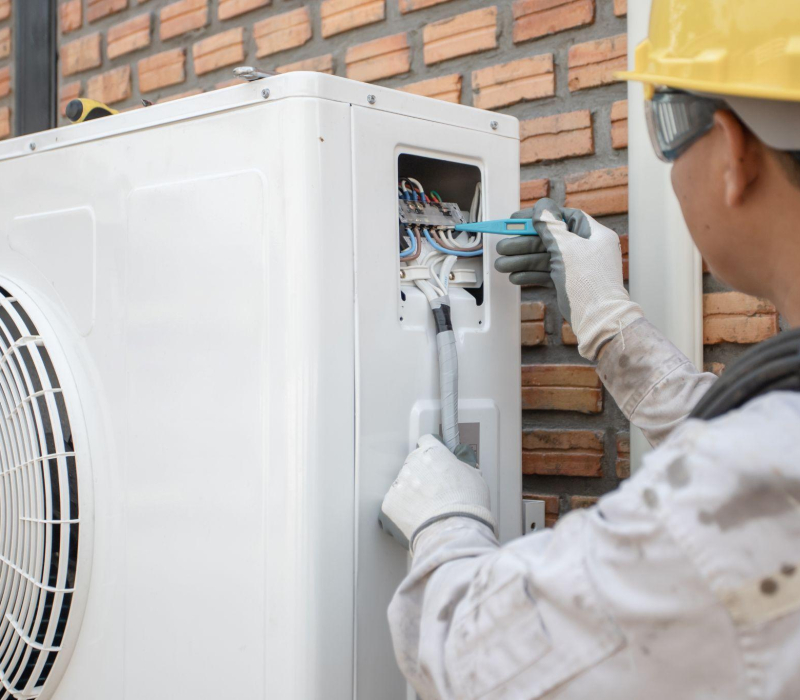
A dependable heat pump is one of the most important systems in any home or business. Unlike traditional heating or cooling equipment that only performs one function, a heat pump provides both heating and cooling throughout the year, making it one of the most energy-efficient HVAC solutions available. Whether you’re relying on your heat pump to keep your home warm during the winter or cool during the summer, you expect it to work consistently and efficiently every day.
Unfortunately, like any mechanical system, heat pumps can experience wear and tear over time. Components age, electrical parts fail, refrigerant levels become unbalanced, and airflow issues can reduce efficiency or cause the entire system to stop working. When these problems occur, prompt heat pump repair is essential to restore comfort, improve energy efficiency, and prevent more expensive damage.
At Plumber On Demand, we understand how frustrating it can be when your heating or cooling system stops performing as expected. Our experienced technicians provide professional heat pump repair services designed to diagnose problems quickly and deliver lasting solutions. Whether your system is making unusual noises, blowing cold air during the winter, failing to cool properly, cycling constantly, or refusing to turn on altogether, our team has the knowledge and equipment to get your heat pump operating at peak performance again.
For fast, dependable heat pump repair, call Plumber On Demand today at 905-409-0596 to schedule professional service.
Professional Heat Pump Repair Services
Modern heat pumps contain sophisticated electrical, mechanical, and refrigeration components that must work together efficiently. Even a minor issue with one component can affect the performance of the entire system.
Professional heat pump repair involves much more than replacing a broken part. A qualified technician performs a complete system evaluation to identify the underlying cause of the problem, ensuring repairs address both the symptoms and the source of the malfunction.
Every heat pump repair appointment begins with a detailed inspection of critical components, including:
- Compressor operation
- Refrigerant pressure
- Indoor evaporator coil
- Outdoor condenser coil
- Electrical connections
- Capacitors
- Contactors
- Thermostat calibration
- Fan motors
- Reversing valve
- Defrost controls
- Air filters
- Airflow performance
- Drainage system
- Safety controls
This comprehensive diagnostic process allows technicians to accurately identify problems before recommending repairs.
Why Timely Heat Pump Repair Matters
Many homeowners ignore small performance issues because the heat pump continues to operate. Unfortunately, small problems rarely remain small for long.
A failing capacitor may eventually prevent the compressor from starting.
Dirty coils may force the compressor to work significantly harder.
Low refrigerant levels may eventually damage the compressor beyond repair.
Electrical issues may create safety hazards while reducing system efficiency.
Addressing these issues early with professional heat pump repair helps reduce long-term repair costs while extending the lifespan of the equipment.
Prompt repairs can also improve:
- Indoor comfort
- Energy efficiency
- Air circulation
- Humidity control
- Heating performance
- Cooling performance
- Equipment reliability
Waiting too long often results in larger repairs that could have been prevented through early diagnosis.
Common Signs You Need Heat Pump Repair
Heat pumps typically provide several warning signs before experiencing complete failure. Recognizing these symptoms early allows homeowners to schedule repairs before serious damage develops.
• Your Heat Pump Isn’t Heating Properly
One of the most common reasons homeowners request heat pump repair is insufficient heating.
Instead of producing warm, comfortable air, the system may blow cool air or struggle to maintain the thermostat setting.
Possible causes include:
- Low refrigerant
- Faulty reversing valve
- Compressor issues
- Frozen outdoor coil
- Defrost cycle problems
- Thermostat malfunction
- Electrical failures
Professional diagnosis determines the exact cause and ensures the appropriate repair is completed.
• Your Heat Pump Isn’t Cooling
Heat pumps work throughout every season.
If your home remains warm during the summer despite the system running continuously, professional heat pump repair may be necessary.
Poor cooling performance may result from:
- Dirty condenser coils
- Refrigerant leaks
- Compressor failure
- Blocked airflow
- Frozen evaporator coil
- Electrical problems
- Fan motor failure
Ignoring cooling issues often increases energy consumption while placing additional strain on the system.
• Strange Noises
Heat pumps normally operate quietly.
Loud or unusual sounds often indicate mechanical problems requiring immediate attention.
Common noises include:
• Grinding
Grinding noises may indicate worn motor bearings or failing internal components.
• Buzzing
Buzzing often points toward electrical problems, loose wiring, or failing capacitors.
• Clicking
Repeated clicking may indicate relay issues or electrical malfunctions.
• Squealing
High-pitched squealing frequently results from worn motor bearings or belt problems on older equipment.
• Rattling
Loose hardware, damaged fan blades, or unsecured panels commonly produce rattling sounds.
Professional heat pump repair prevents these issues from becoming larger mechanical failures.
• Constant Cycling
Your heat pump should complete normal heating or cooling cycles.
If it turns on and off every few minutes, the system may be experiencing short cycling.
Possible causes include:
- Dirty air filters
- Oversized equipment
- Thermostat problems
- Refrigerant issues
- Electrical faults
- Compressor problems
Short cycling increases wear on the compressor while reducing overall efficiency.
• Rising Energy Bills
A sudden increase in utility costs often indicates declining heat pump performance.
When components begin failing, the system works harder to maintain indoor temperatures.
Professional heat pump repair restores efficiency while reducing unnecessary energy consumption.
• Ice on the Outdoor Unit
Although frost during cold weather can be normal, excessive ice buildup often indicates a problem.
Possible causes include:
- Defrost control failure
- Refrigerant issues
- Airflow restrictions
- Fan motor failure
- Sensor problems
Ignoring ice accumulation may eventually damage important system components.
• Weak Airflow
Poor airflow can significantly reduce comfort while forcing your heat pump to operate longer than necessary.
Common causes include:
- Dirty air filters
- Blocked ductwork
- Blower motor problems
- Dirty evaporator coil
- Fan issues
Professional heat pump repair restores proper airflow and improves overall performance.
What Causes Heat Pump Problems?
Understanding why heat pumps fail helps homeowners recognize the importance of routine maintenance and timely repairs.
Several factors contribute to system problems over time.
• Normal Wear and Tear
Every heating and cooling system experiences gradual component wear.
Motors eventually wear out.
Electrical contacts deteriorate.
Capacitors lose their ability to store electrical energy.
Bearings become worn.
These issues develop naturally with age and regular operation.
• Refrigerant Leaks
Heat pumps require precise refrigerant levels to transfer heat efficiently.
Leaks reduce performance while increasing compressor workload.
Signs of refrigerant problems include:
- Poor heating
- Weak cooling
- Ice buildup
- Longer run times
- Higher utility bills
Only licensed technicians should perform refrigerant-related heat pump repairs.
• Dirty Components
Dust, debris, pollen, leaves, and dirt accumulate over time.
Dirty components reduce airflow while limiting heat transfer.
Areas requiring regular cleaning include:
- Outdoor condenser coil
- Indoor evaporator coil
- Blower assembly
- Air filters
- Drain lines
Routine cleaning helps prevent unnecessary repairs.
• Electrical Issues
Heat pumps rely on numerous electrical components working together safely.
Problems may include:
- Loose wiring
- Burned contactors
- Failed capacitors
- Damaged relays
- Faulty circuit boards
Professional diagnostics identify electrical issues before they cause larger failures.
• Thermostat Problems
Sometimes the heat pump itself isn’t the problem.
Incorrect thermostat programming, sensor failures, wiring issues, or outdated thermostats may prevent the system from operating properly.
A complete heat pump repair inspection includes thermostat testing to eliminate unnecessary repairs.
Heat Pump Repair for All Major Brands
At Plumber On Demand, our technicians are experienced with a wide variety of residential and commercial heat pump systems.
Whether your equipment is several years old or a newly installed high-efficiency model, proper diagnostics are essential for identifying the root cause of performance issues. Different manufacturers use different technologies, control boards, compressors, and variable-speed systems, making professional troubleshooting especially important.
Our technicians perform heat pump repair on many leading brands, ensuring every repair follows manufacturer recommendations whenever possible. From conventional air-source heat pumps to advanced inverter-driven systems, we work to restore reliable operation while helping maximize the lifespan of your equipment.
Heat Pump Components That Commonly Require Repair
A heat pump is made up of numerous interconnected components, each playing an important role in heating and cooling your home. When even one component begins to fail, the entire system can become less efficient or stop working altogether. Professional heat pump repair focuses on identifying the exact source of the issue rather than replacing parts unnecessarily.
At Plumber On Demand, our technicians perform comprehensive diagnostics to determine which component is affecting your system’s performance before recommending the appropriate repair.
• Compressor Repairs
The compressor is often considered the heart of a heat pump. It circulates refrigerant throughout the system, allowing heat to be transferred between the indoor and outdoor units. Without a properly functioning compressor, your heat pump cannot effectively heat or cool your home.
Common signs of compressor problems include:
- Warm air during cooling mode
- Cold air during heating mode
- Loud humming noises
- Frequent circuit breaker trips
- Difficulty starting
- Short cycling
- Reduced efficiency
Compressor problems may be caused by electrical failures, overheating, refrigerant issues, worn components, or years of normal operation. Because compressor replacement can be a significant investment, our technicians thoroughly inspect the entire system to determine whether a repair is possible before recommending replacement.
• Refrigerant Leak Detection and Repair
Refrigerant is responsible for transferring heat throughout your heat pump system. Unlike fuel, refrigerant is not consumed during operation. If refrigerant levels are low, there is usually a leak somewhere within the system.
Common symptoms include:
- Poor heating performance
- Reduced cooling capacity
- Ice buildup on coils
- Higher electricity bills
- Longer operating cycles
- Hissing noises near refrigerant lines
Finding refrigerant leaks requires specialized equipment and experience. Simply adding more refrigerant without repairing the leak only provides a temporary solution.
Professional heat pump repair includes locating the leak, repairing the damaged section, pressure testing the system, evacuating contaminants, and recharging the refrigerant according to manufacturer specifications.
• Fan Motor Repair
Heat pumps contain both indoor and outdoor fan motors.
The indoor blower distributes conditioned air throughout your home, while the outdoor fan helps release or absorb heat depending on the operating mode.
Fan motor problems often produce symptoms such as:
- Weak airflow
- Unusual noises
- Overheating
- Poor heating
- Poor cooling
- Constant operation
- System shutdowns
Depending on the condition of the motor, repairs may involve replacing bearings, capacitors, electrical connections, or the motor itself.
• Capacitor Replacement
Capacitors provide the electrical boost required to start and operate motors.
Over time, capacitors naturally wear out due to repeated electrical cycles and temperature fluctuations.
Signs of capacitor failure include:
- Heat pump won’t start
- Clicking sounds
- Humming noises
- Slow fan operation
- Intermittent system performance
A failed capacitor may prevent the compressor or fan motor from operating correctly, making prompt heat pump repair essential.
• Contactor Repairs
The contactor acts as an electrical switch that controls power to major heat pump components.
Burned or worn contacts can interrupt power delivery, causing inconsistent operation or complete system failure.
Symptoms include:
- Heat pump won’t turn on
- Constant clicking
- Outdoor unit not running
- Compressor not starting
Replacing worn contactors restores reliable electrical operation and helps prevent damage to other components.
• Reversing Valve Repair
One of the unique features of a heat pump is its ability to provide both heating and cooling.
This function depends on the reversing valve, which changes the direction of refrigerant flow.
If the reversing valve becomes stuck or fails, your heat pump may:
- Blow cold air in heating mode
- Blow warm air during cooling
- Become stuck in one operating mode
- Produce inconsistent temperatures
Because the reversing valve is closely integrated into the refrigeration system, professional diagnosis is critical.
• Defrost Control Repairs
During winter operation, frost naturally forms on the outdoor coil.
Heat pumps periodically enter a defrost cycle to melt accumulated frost before it restricts airflow.
When the defrost system fails, ice continues building until performance declines significantly.
Signs of defrost problems include:
- Heavy ice accumulation
- Poor heating
- Outdoor unit completely frozen
- Increased energy consumption
- Longer operating cycles
Technicians inspect sensors, control boards, timers, and related electrical components to restore proper defrost operation.
Emergency Heat Pump Repair
Heating and cooling problems rarely happen at a convenient time.
A heat pump may stop working during the coldest winter night or the hottest day of summer. Waiting days for service can quickly become uncomfortable and, in some situations, may even pose health or safety concerns.
Emergency heat pump repair focuses on restoring operation as quickly as possible while preventing additional system damage.
Situations requiring immediate service include:
- Complete system failure
- Burning smells
- Electrical problems
- Refrigerant leaks
- Frozen systems
- Loud mechanical noises
- Tripped breakers that continue resetting
- No heating during freezing temperatures
- No cooling during extreme heat
Prompt repairs reduce the risk of larger failures while helping restore comfort to your home or business.
If your heat pump suddenly stops working, contact Plumber On Demand at 905-409-0596 for professional assistance.
Residential Heat Pump Repair
Homeowners depend on their heat pumps every day to maintain comfortable indoor temperatures throughout the year.
Even relatively small performance issues can affect comfort, energy costs, and indoor air quality.
Residential heat pump repair services commonly address:
- Inconsistent room temperatures
- Weak airflow
- Thermostat issues
- Frozen coils
- Compressor problems
- Refrigerant leaks
- Electrical failures
- Fan motor repairs
- Drainage issues
- Strange noises
Our technicians work carefully to diagnose problems accurately while minimizing disruption inside your home.
Commercial Heat Pump Repair
Commercial properties often rely on larger, more complex heat pump systems to maintain comfortable working environments.
When commercial equipment fails, productivity, employee comfort, and customer satisfaction may all be affected.
Commercial heat pump repair commonly includes:
- Multi-zone systems
- Rooftop units
- Variable refrigerant flow systems
- Split systems
- Large air handling equipment
- Control systems
- Thermostat calibration
- Electrical diagnostics
- Compressor service
Prompt commercial repairs help businesses minimize downtime while protecting valuable equipment investments.
Heat Pump Repair for Older Systems
Many homeowners wonder whether older heat pumps can still be repaired.
In many cases, the answer is yes.
Even systems that are more than ten years old may continue operating efficiently with proper repairs and maintenance.
Repair decisions often depend on:
- Overall equipment condition
- Frequency of previous repairs
- Compressor condition
- Refrigerant availability
- Energy efficiency
- Repair costs
- Remaining service life
An experienced technician can evaluate your equipment and recommend the most cost-effective solution.
Preventing Future Heat Pump Repairs
Although some breakdowns occur unexpectedly, many repairs can be prevented through regular maintenance.
Routine inspections help identify developing issues before they become major problems.
Preventive maintenance often includes:
- Cleaning coils
- Inspecting refrigerant levels
- Tightening electrical connections
- Testing capacitors
- Checking contactors
- Inspecting blower motors
- Cleaning drain lines
- Replacing air filters
- Lubricating moving components
- Testing thermostat accuracy
Keeping up with maintenance not only reduces the likelihood of unexpected repairs but also helps your heat pump operate more efficiently throughout the year.
DIY Troubleshooting Before Calling for Heat Pump Repair
While most heat pump repairs should always be handled by trained professionals, there are a few simple checks homeowners can perform before scheduling service.
Start by checking your thermostat settings. Make sure the system is set to the correct mode and that the desired temperature is properly programmed.
Next, inspect the air filter. A clogged filter can restrict airflow enough to reduce both heating and cooling performance.
Verify that your circuit breaker has not tripped. Sometimes electrical interruptions can prevent the heat pump from starting.
Walk outside and check that leaves, snow, branches, or debris are not blocking airflow around the outdoor unit.
Finally, make sure all supply and return vents inside your home remain open and unobstructed.
If these basic checks do not restore normal operation, professional heat pump repair is the safest and most effective solution.
Why Professional Heat Pump Repair Is Worth It
Attempting complex HVAC repairs without proper training can lead to additional damage, electrical hazards, or refrigerant leaks. Modern heat pumps rely on specialized tools and diagnostic equipment that allow technicians to accurately pinpoint issues rather than replacing parts through trial and error.
Professional heat pump repair provides several important benefits:
- Accurate diagnostics
- Safe electrical repairs
- Proper refrigerant handling
- Improved energy efficiency
- Longer equipment lifespan
- Better indoor comfort
- Reduced risk of repeat breakdowns
- Protection of manufacturer warranties where applicable
Choosing experienced technicians helps ensure that repairs are completed correctly the first time, reducing future costs and minimizing disruptions to your heating and cooling system.
Heat Pump Repair vs. Heat Pump Replacement
One of the most common questions homeowners ask when their system breaks down is whether they should invest in heat pump repair or replace the entire unit. The answer depends on several factors, including the age of the equipment, the severity of the problem, repair costs, energy efficiency, and the overall condition of the system.
Many heat pump problems can be resolved with professional repairs, allowing the equipment to continue operating reliably for years. Components such as capacitors, contactors, thermostats, blower motors, sensors, and electrical connections can often be repaired or replaced without replacing the entire system.
However, there are situations where replacement may become the more economical long-term solution.
Factors that influence this decision include:
- Age of the heat pump
- Frequency of recent repairs
- Compressor condition
- Energy efficiency
- Availability of replacement parts
- Overall operating costs
- Manufacturer recommendations
At Plumber On Demand, our goal is never to recommend unnecessary replacements. We carefully inspect your equipment, explain our findings, and provide honest recommendations so you can make an informed decision based on your needs and budget.
If a professional heat pump repair will restore reliable performance, we’ll recommend the repair. If replacement offers better long-term value, we’ll explain why and answer all of your questions before any work begins.
How Long Does a Heat Pump Last?
The lifespan of a heat pump depends on many factors, including installation quality, maintenance history, climate conditions, usage patterns, and repair history.
Many well-maintained systems continue operating efficiently for 10 to 15 years, while some last even longer with regular servicing and timely repairs.
Several factors can shorten a heat pump’s lifespan, including:
- Poor maintenance
- Dirty filters
- Refrigerant leaks
- Electrical issues
- Compressor strain
- Restricted airflow
- Constant short cycling
- Delayed repairs
Routine inspections and prompt heat pump repair help reduce wear on major components and extend the life of your investment.
The Importance of Seasonal Heat Pump Maintenance
While professional heat pump repair addresses existing problems, routine maintenance helps prevent many issues from developing in the first place.
Heat pumps operate nearly year-round, meaning they experience considerably more wear than systems used only during one season. Scheduling maintenance before both the heating and cooling seasons helps keep your system operating efficiently when you need it most.
A seasonal maintenance visit typically includes:
- Inspecting refrigerant levels
- Cleaning indoor and outdoor coils
- Replacing or cleaning air filters
- Checking electrical connections
- Testing safety controls
- Measuring airflow
- Inspecting fan motors
- Lubricating moving components where applicable
- Clearing condensate drains
- Verifying thermostat operation
- Inspecting the reversing valve
- Testing the defrost cycle
Preventative maintenance reduces the likelihood of unexpected breakdowns and helps identify worn components before they fail.
Improving Energy Efficiency Through Heat Pump Repair
A malfunctioning heat pump often consumes significantly more electricity than a properly functioning system.
As components wear out, the system must work harder to maintain indoor temperatures. Longer run times increase energy consumption and place additional stress on expensive components.
Professional heat pump repair can improve efficiency by correcting issues such as:
- Refrigerant leaks
- Dirty coils
- Weak airflow
- Faulty thermostats
- Electrical problems
- Worn fan motors
- Defrost malfunctions
- Compressor performance issues
Improved efficiency offers several benefits beyond lower utility bills.
Homeowners often notice:
- More consistent indoor temperatures
- Faster heating
- Better cooling
- Improved humidity control
- Quieter operation
- Reduced system wear
- Longer equipment lifespan
Even relatively small repairs can have a noticeable impact on overall system performance.
Heat Pump Repair During Every Season
Unlike furnaces or air conditioners that are primarily used during one season, heat pumps provide year-round comfort.
That means repairs may become necessary at any time.
• Winter Heat Pump Repair
Cold weather places additional demands on your heating system.
Common winter repair calls include:
- Defrost problems
- Frozen outdoor coils
- Poor heating performance
- Emergency heat pump repair
- Compressor issues
- Thermostat failures
Prompt repairs restore indoor comfort while helping prevent further equipment damage.
• Summer Heat Pump Repair
During hot weather, cooling performance becomes the priority.
Summer repairs frequently involve:
- Refrigerant leaks
- Dirty condenser coils
- Weak airflow
- Frozen evaporator coils
- Fan motor failures
- Electrical issues
Restoring efficient cooling helps reduce humidity while improving indoor comfort throughout your home.
• Spring and Fall Maintenance
Milder weather provides an excellent opportunity to inspect your heat pump before heavy seasonal demand begins.
Routine inspections during spring and fall help identify developing issues before they become emergency repairs during periods of extreme temperatures.
Why Homeowners Choose Plumber On Demand for Heat Pump Repair
Choosing the right company for heat pump repair is just as important as the repair itself.
At Plumber On Demand, we are committed to providing dependable service, accurate diagnostics, and quality workmanship. Our technicians understand the importance of restoring your comfort quickly while delivering repairs that are built to last.
When you contact us for heat pump repair, you can expect:
• Experienced Technicians
Our technicians are trained to diagnose and repair a wide variety of heat pump systems.
Rather than guessing at the cause of a problem, we perform detailed inspections to identify the root issue.
• Thorough Diagnostics
Many heating and cooling problems share similar symptoms.
Our diagnostic process helps ensure that repairs address the actual cause of the malfunction rather than simply replacing parts unnecessarily.
• Honest Recommendations
We believe homeowners deserve straightforward information.
Our technicians explain the condition of your system, discuss available repair options, and answer your questions so you can make informed decisions.
• Quality Workmanship
Every heat pump repair is completed with careful attention to detail.
We work to restore reliable performance while helping maximize the life of your equipment.
• Customer-Focused Service
From your initial phone call through project completion, we strive to provide courteous, professional service every step of the way.
Whether your repair is large or small, your comfort remains our priority.
Our Heat Pump Repair Process
Professional heat pump repair follows a structured approach designed to identify problems accurately and restore dependable performance.
Step 1: Initial Inspection
Our technician begins by discussing the symptoms you’ve noticed and inspecting the entire system.
Step 2: Diagnostic Testing
Using specialized diagnostic equipment, we evaluate electrical components, refrigerant pressures, airflow, thermostat operation, safety controls, and overall system performance.
Step 3: Problem Identification
Once testing is complete, we identify the source of the issue and explain our findings in clear, straightforward language.
Step 4: Repair Recommendations
We provide repair recommendations based on the condition of your equipment and discuss available options before work begins.
Step 5: Professional Repairs
Approved repairs are completed using quality replacement components and proven repair techniques.
Step 6: Performance Testing
After repairs are complete, the system is tested to verify proper operation in both heating and cooling modes whenever appropriate.
Step 7: Final Inspection
Before leaving, we confirm that your heat pump is operating safely, efficiently, and reliably.
Frequently Asked Questions About Heat Pump Repair
• How do I know if my heat pump needs repair?
Common warning signs include unusual noises, weak airflow, inconsistent temperatures, rising utility bills, short cycling, ice buildup, unpleasant odors, or a system that refuses to turn on. If you notice any of these symptoms, scheduling professional heat pump repair as soon as possible can help prevent more extensive damage.
• Why is my heat pump blowing cold air?
Several issues can cause this problem, including refrigerant leaks, reversing valve malfunctions, thermostat settings, electrical problems, compressor issues, or normal defrost operation during winter. A professional inspection can determine the exact cause.
• Is it normal for a heat pump to run frequently?
Heat pumps generally run longer than conventional furnaces because they transfer heat rather than generate it. However, if the system runs continuously without reaching the desired temperature, it may require professional heat pump repair.
• Can a dirty filter affect my heat pump?
Yes. A clogged air filter restricts airflow, reduces efficiency, increases energy consumption, and may contribute to frozen coils or compressor strain. Replacing filters regularly is one of the simplest ways to improve performance.
• How often should my heat pump be serviced?
Most manufacturers recommend professional maintenance at least once a year. Because heat pumps operate during both heating and cooling seasons, many homeowners choose to schedule maintenance twice annually.
• Can I repair my own heat pump?
While homeowners can replace air filters and remove debris around the outdoor unit, most heat pump repairs involve electrical systems, refrigerant, or specialized components that should only be handled by trained professionals.
• How long does a typical heat pump repair take?
The time required depends on the complexity of the issue and the parts involved. Some repairs can be completed during a single service visit, while others may require additional time if specialized components need to be obtained.
• Will repairing my heat pump lower my energy bills?
In many cases, yes. Restoring proper airflow, correcting refrigerant levels, repairing electrical components, and resolving mechanical issues can significantly improve energy efficiency and reduce operating costs.
Schedule Professional Heat Pump Repair Today
A reliable heat pump is essential for maintaining year-round comfort, energy efficiency, and dependable indoor climate control. Whether your system is struggling to heat your home during the winter, failing to provide cool air during the summer, making unusual noises, or showing signs of reduced performance, prompt attention can prevent small issues from becoming costly repairs.
At Plumber On Demand, we are dedicated to providing professional heat pump repair services backed by experienced technicians, thorough diagnostics, and quality workmanship. Our goal is to restore your heating and cooling system as quickly and efficiently as possible so you can enjoy dependable comfort in every season.
Ignoring the warning signs of a failing heat pump can lead to increased energy costs, reduced system performance, unnecessary wear on major components, and unexpected breakdowns. Scheduling professional service at the first sign of trouble helps protect your investment while extending the life of your equipment.
Whether you require emergency service, routine diagnostics, or repairs for a residential or commercial heat pump system, our team is ready to help.
If you’re experiencing problems with your heat pump, don’t wait until the issue becomes more serious. Contact Plumber On Demand today at 905-409-0596 to schedule your professional heat pump repair service. Our experienced team is committed to delivering dependable solutions, exceptional customer service, and lasting repairs that keep your home or business comfortable throughout the year.