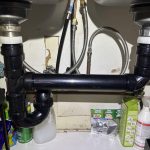
Water Damage Restoration in Hamilton, Ontario: Ceiling Drywall Removal, Cleanup and Professional Drying
Recently, our team attended a property in Hamilton, Ontario, to address water damage affecting the main-floor ceiling. The affected section needed to be opened up, the damaged drywall removed, and the area properly prepared for drying.
The job involved removing approximately 10 feet by 5.5 feet of ceiling drywall, disposing of the damaged material, applying an appropriate anti-microbial treatment, and setting up professional drying equipment. We installed two large dehumidifiers and four air movers to help remove excess moisture from the affected area.
The estimated drying and restoration period was three to five days, with a follow-up inspection planned for the third day to check progress and determine whether any additional work was required.
If you have a leaking ceiling, wet drywall, or water damage following a plumbing problem, dealing with it early can help prevent the damage from getting worse.
Assessing the Water-Damaged Ceiling
When we arrived at the Hamilton property, the first priority was to address the affected ceiling area and determine the work required to move the restoration process forward.
Ceiling water damage can happen for several reasons. A leaking waterline, failed plumbing connection, bathroom leak, or damaged pipe can allow water to travel through a ceiling and affect the drywall below.
Sometimes the damage is obvious, with brown water stains, bubbling paint, or sagging drywall. In other cases, the visible signs are relatively minor even though moisture has spread behind the surface.
That is why it is important not to judge the extent of water damage by the appearance of the ceiling alone. The affected materials may need to be opened up so their condition can be assessed and the area can dry properly.
For this project, the scope of work included removing a section of the main-floor ceiling measuring approximately 10 feet long by 5.5 feet wide.
Removing and Disposing of Damaged Drywall
Once the work area was established, we proceeded with removing the affected ceiling drywall.
Wet drywall can lose strength and may not be suitable to keep in place, depending on how much water it has absorbed and how long it has remained wet. Removing damaged material can also provide access to areas that would otherwise remain concealed.
For this Hamilton water damage restoration job, the affected ceiling section was removed and the damaged material was collected for disposal. We also cleaned up the work area to prepare for the next stage of the job.
Proper cleanup matters because restoration work should leave the area ready for drying and further assessment, rather than simply removing the damaged material and leaving debris behind.
Once the ceiling was opened, the focus shifted to treating the affected area and getting the drying equipment set up.
Applying Anti-Microbial Treatment to the Affected Area
After the damaged drywall was removed, an appropriate anti-microbial treatment was applied to the affected area as part of the agreed restoration work.
Water damage can leave moisture in places that are not immediately visible. If building materials remain damp for too long, conditions may develop that encourage mold growth.
Applying a suitable treatment may form part of the restoration process, depending on the materials and site conditions. However, treatment is not a substitute for correcting the original water problem, removing materials that cannot be adequately dried, and controlling moisture.
The goal is to address the affected area properly and give the remaining materials the opportunity to dry.
If extensive mold growth or contaminated materials are discovered, additional assessment and specialized remediation may be necessary.
Setting Up Two Dehumidifiers and Four Air Movers
With the damaged drywall removed and the affected area prepared, the next step was to begin the drying process.
For this Hamilton project, we installed two large dehumidifiers and four air movers.
The dehumidifiers help remove moisture from the air, while the air movers circulate air around the affected area to support evaporation. Working together, this equipment helps create better drying conditions than simply leaving the area to air-dry on its own.
The amount of equipment needed depends on the size of the affected area, the building materials involved, and the amount of moisture present. For this job, the setup was selected to support drying across the affected ceiling area.
Professional drying is an important part of water damage restoration because visible signs of water do not always tell the full story. Even when a ceiling begins to look dry, moisture may remain in surrounding materials.
Using suitable drying equipment and checking progress helps determine when the affected area is ready for the next stage of restoration.
Monitoring the Drying Process
Installing drying equipment is only one part of the job. The affected area also needs to be checked to see how it is responding.
For this project, the estimated drying and restoration period was three to five days. A return visit was planned for the third day to inspect the affected area, check drying progress, and identify any additional issues.
During a follow-up inspection, the condition of the affected area can be reviewed to determine whether drying is progressing as expected or whether further attention is needed.
The actual drying time can vary. Factors such as the amount of water involved, the type of building materials, the temperature, ventilation, and the extent of hidden moisture can all affect how long the process takes.
If additional drying days are needed, the equipment can remain in place as required, provided the work remains within the scope agreed upon for the project.
Taking the time to assess the drying progress helps avoid rushing into repairs before the affected area is ready.
Why You Shouldn’t Ignore Ceiling Water Damage
A small ceiling stain might not look like a major problem, but it can be a sign that water has entered the building materials above.
Depending on the source of the leak, water can affect drywall, insulation, wood framing, and other materials. If the leak continues or the affected area stays damp, the damage can become more extensive.
Some common warning signs of ceiling water damage include:
– Brown or yellow stains appearing on the ceiling.
– Paint that is bubbling, peeling, or beginning to crack.
– Drywall that feels soft, swollen, or damp.
– Water dripping from a ceiling or light fixture.
– A musty smell near the affected room.
– Visible mold or dark patches around damp materials.
If you notice water near electrical fixtures, avoid touching the affected area and seek appropriate professional assistance. A sagging or bulging ceiling can also be dangerous and should not be disturbed.
The best next step is to identify the source of the water and determine how much damage has occurred. If the cause is a plumbing leak, the leak needs to be addressed before the restoration work can be considered complete.
Plumbing Leaks Can Lead to Expensive Repairs
Water damage does not always begin with a dramatic burst pipe. Sometimes a small leak develops slowly behind a wall, above a ceiling, or around a plumbing connection.
A leaking bathroom supply line, damaged drain connection, loose fitting, or failed pipe can allow water to escape over time. By the time the damage becomes visible, moisture may have already affected a larger area than expected.
That is why plumbing leak repair and water damage restoration often go hand in hand.
The plumbing problem needs to be identified and corrected, while any resulting damage must be assessed separately. Depending on the circumstances, the work may include plumbing repairs, drywall removal, cleanup, drying, and eventually replacing the damaged materials.
If you suspect a hidden plumbing leak in your Hamilton home or business, do not assume that the problem will resolve itself simply because the water is no longer visible.
Water Damage Restoration for Homes and Businesses in Hamilton
Water damage can disrupt a household, affect a rental property, or interfere with normal business operations. A damaged ceiling may need to remain open while the affected materials dry, making it important to understand the work involved and the expected timeline.
Homeowners, landlords, condominium owners, and commercial property managers may all face similar problems when a plumbing leak affects a ceiling or wall.
Every property is different, and the appropriate restoration approach depends on the source of the water, the materials affected, and the extent of the damage.
At Plumber On Demand, we help customers address plumbing problems that can lead to water damage. Where restoration services are included in the agreed scope, the work can involve removing affected drywall, cleaning the work area, applying an appropriate treatment, and setting up drying equipment.
We explain the proposed work and estimated timeline so property owners understand what needs to happen next.
Looking for Water Damage Restoration in Hamilton, Ontario?
If you are searching for water damage restoration in Hamilton, ceiling leak repair, plumbing leak repair, or help with water-damaged drywall, it is important to deal with the problem before further damage occurs.
A leaking ceiling should never be ignored, particularly if the source of the water is unknown or the affected area continues to feel damp.
Plumber On Demand can help you discuss the plumbing issue and determine the next steps for your property. From investigating a suspected plumbing leak to arranging the appropriate work for the affected area, getting the problem assessed is the first step toward putting things right.
Whether the damage is in a main-floor ceiling, bathroom, kitchen, basement, or another part of the property, the recommended approach should address the source of the problem and the resulting damage.
Call Plumber On Demand Today at 1-888-449-7444
Dealing with a plumbing leak or water-damaged ceiling in Hamilton?
Don’t leave damaged drywall and hidden moisture unaddressed. Contact Plumber On Demand to discuss your situation and request service.
Call today for plumbing leak repair and water damage assistance in Hamilton, Ontario.
Plumber On Demand — Your Call. Our Priority.