
Structural Underpinning Acton
 (459)
(459)
(459)

Structural Underpinning Services to Restore and Strengthen Your Home’s Foundation
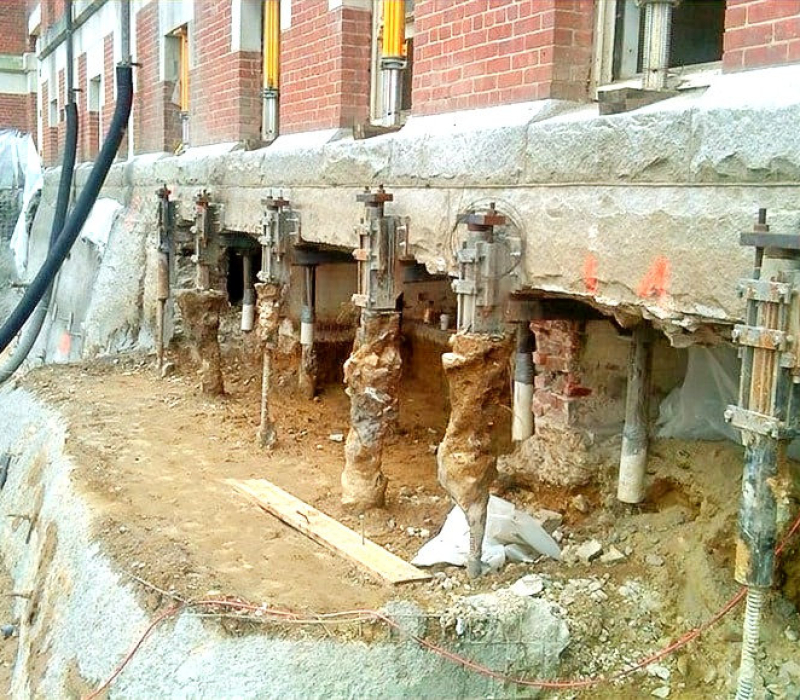
A structural underpinning system is one of the most effective ways to stabilize a home that is experiencing foundation movement, settlement, or long-term structural stress. It is a specialized construction process designed to strengthen and extend the foundation of a building so that it can safely support the structure above it for decades to come.
Unlike surface-level repairs that only address visible cracks or cosmetic damage, structural underpinning focuses on the deeper cause of foundation failure. It reinforces the base of the structure, redistributes weight properly, and ensures the building remains stable even under changing soil and environmental conditions.
At Plumber On Demand, structural underpinning is performed with a focus on long-term performance, safety, and precision. Every project is carefully planned to match the unique conditions of the property, ensuring the foundation is stabilized correctly from the ground up.
If you are seeing signs of foundation movement or structural stress, contact Plumber On Demand at 905-409-0596 for a professional assessment.
What Is Structural Underpinning?
Structural underpinning is the process of strengthening an existing building foundation by extending it deeper or reinforcing it to improve load-bearing capacity and stability.
This method is used when the original foundation is no longer strong enough to support the structure due to:
- Soil movement
- Foundation settlement
- Structural aging
- Increased load demands
- Environmental damage
- Poor original construction conditions
Rather than replacing the entire foundation, underpinning enhances what already exists by transferring the load of the structure to more stable soil or stronger support systems beneath the original foundation.
Why Structural Underpinning Becomes Necessary
A home’s foundation is constantly exposed to forces that change over time. Even a well-built structure can begin to show signs of stress after years of environmental exposure.
Structural underpinning becomes necessary when the foundation begins to lose its ability to maintain stability.
Soil Settlement and Movement
One of the most common causes of foundation issues is soil movement beneath the home.
Soil can:
- Compress over time
- Shift due to moisture changes
- Expand and contract seasonally
- Lose bearing strength in certain conditions
When this happens unevenly, parts of the foundation begin to sink or shift.
Aging Foundation Systems
Older homes often have foundations that were built using outdated methods or materials that naturally degrade over time.
This can lead to:
- Weakening concrete
- Reduced structural strength
- Increased vulnerability to cracking
- Loss of load-bearing capacity
Structural underpinning restores strength where the original foundation has deteriorated.
Water and Moisture Damage
Water is one of the most destructive forces acting on a foundation.
Over time, moisture can:
- Erode supporting soil
- Create voids beneath the foundation
- Weaken concrete and masonry
- Increase hydrostatic pressure
This combination can lead to movement or instability that requires structural correction.
Increased Structural Load
Renovations, additions, or changes in building use can increase the weight placed on a foundation beyond its original design capacity.
When this happens, the foundation may begin to show signs of stress or movement.
Early Warning Signs of Structural Foundation Problems
Structural issues rarely appear overnight. Most homes show gradual signs of movement before serious damage occurs.
Recognizing these signs early is critical.
Common indicators include:
- Cracks in basement walls or floors
- Stair-step cracking in masonry
- Uneven or sloping floors
- Doors or windows sticking
- Gaps around frames or trim
- Visible wall bowing or leaning
- Moisture intrusion in basement areas
These symptoms often indicate that the foundation is under stress and may require structural underpinning.
How Structural Underpinning Works
Structural underpinning is a controlled engineering process that strengthens the foundation while maintaining the stability of the home above it.
Although every project is different, the process follows a structured approach designed to ensure safety and long-term durability.
Structural Assessment and Evaluation
The first step in any underpinning project is a detailed inspection of the foundation.
This includes:
- Identifying cracks and movement patterns
- Measuring settlement or shifting
- Evaluating soil conditions
- Reviewing load distribution
- Inspecting basement walls and footings
This analysis determines the extent of the structural issue and the appropriate underpinning solution.
Load Distribution Analysis
A key part of structural underpinning is understanding how the home distributes weight across the foundation.
This involves identifying:
- Load-bearing walls
- Pressure points
- Areas of stress concentration
- Weak structural zones
This ensures that reinforcement is applied exactly where it is needed.
Planning the Underpinning System
Once structural conditions are understood, a reinforcement plan is developed.
This may include:
- Deepening foundation support points
- Strengthening load-bearing sections
- Stabilizing shifting areas
- Improving soil support beneath the foundation
The goal is to create a long-term structural solution, not a temporary fix.
Foundation Strengthening Methods and Long-Term Structural Stabilization
Structural underpinning is not a single fixed procedure. It is a group of engineered methods used to strengthen and stabilize an existing foundation based on how it is failing, how the soil is behaving, and how the structure above is distributing weight. Every home requires a different approach, which is why proper assessment and planning are critical before any work begins.
At Plumber On Demand, structural underpinning is designed to restore stability at the foundation level while ensuring the building above remains fully supported throughout the entire process.
Common Structural Underpinning Methods
There are several proven techniques used in structural underpinning, each selected based on foundation conditions and soil behavior. The goal of every method is the same: transfer the load of the structure to stronger, more stable support below.
Mass Concrete Underpinning
Mass concrete underpinning is one of the most traditional and widely used methods. It involves extending the existing foundation deeper by excavating small sections beneath the structure and filling them with reinforced concrete.
This method is typically used when:
- The foundation needs moderate deepening
- Soil conditions are stable but insufficient at shallow depth
- Structural settlement is occurring gradually
The process is completed in controlled stages so that the structure remains continuously supported while new foundation sections are formed beneath it.
Beam and Base Underpinning
Beam and base underpinning introduces reinforced beams that redistribute structural loads to deeper, more stable foundation points.
This method is often used when:
- Load distribution across the foundation is uneven
- Certain areas of the home are carrying excessive weight
- Existing foundations require load balancing support
Steel or reinforced concrete beams are installed to transfer weight away from weakened zones and into stronger supporting areas.
Mini-Piled Underpinning
Mini-piled underpinning is used when soil conditions near the surface are weak or unstable. Instead of relying on shallow soil layers, long piles are driven deep into more stable ground beneath the home.
This method is effective when:
- Upper soil layers cannot support the structure
- There is significant settlement or shifting
- The foundation requires deep structural anchoring
Mini-piles transfer the building load deep into stable strata, bypassing weaker soil layers entirely.
Resin Injection Stabilization (Support Method)
In some cases, resin-based stabilization techniques are used as part of a broader underpinning strategy. These methods help fill voids beneath the foundation and improve soil density.
This approach may be used to:
- Fill gaps caused by soil erosion
- Improve ground stability under slabs
- Reduce minor settlement issues
While not a full replacement for structural underpinning, it can support overall foundation performance in specific conditions.
Soil Behavior and Its Role in Underpinning
Soil is one of the most important factors in structural underpinning because it directly determines how well a foundation can remain stable over time.
Weak or Compressible Soil Layers
Some soil types compress easily under pressure, especially when they contain high levels of organic material or loose particles. Over time, this leads to foundation settlement.
Underpinning bypasses these weak layers by transferring structural load deeper into more stable ground.
Expansive Soil Movement
Certain soils expand when wet and contract when dry. This repeated movement creates stress on foundation walls and footings.
Structural underpinning helps reduce the impact of this movement by anchoring the foundation more securely.
Erosion and Void Formation
Water flow beneath a home can gradually wash away supporting soil, creating empty spaces under the foundation.
These voids reduce stability and can lead to sudden or uneven settlement if not addressed.
Underpinning restores support by reinforcing these weak or empty areas.
Load Transfer in Structural Underpinning
One of the most important goals of underpinning is load transfer. A home’s weight must be supported by stable ground conditions, and when that support weakens, structural issues begin to appear.
Underpinning systems are designed to:
- Redirect weight away from weak soil
- Transfer loads to deeper stable layers
- Balance uneven pressure distribution
- Reduce stress on original foundation sections
This ensures that the structure remains evenly supported across all critical points.
Structural Stabilization During Underpinning Work
Because underpinning involves working directly beneath a live structure, stability must be maintained at all times.
This is achieved through:
- Sectional excavation methods
- Temporary load support systems
- Continuous monitoring of structural movement
- Controlled sequencing of reinforcement work
Only small sections of the foundation are worked on at a time to ensure that the home never loses support during construction.
Integration With Basement Structures
Structural underpinning is often connected with basement environments because that is where foundation access is typically available.
In basement settings, underpinning may also involve:
- Strengthening basement walls during foundation extension
- Improving load transfer through basement supports
- Enhancing structural alignment between floors
- Coordinating with moisture control systems
This integration ensures that the entire lower structure works as a unified support system.
Preventing Future Structural Movement
A key advantage of structural underpinning is long-term prevention. Once the foundation is properly reinforced, it becomes significantly more resistant to future movement.
This is achieved by:
- Increasing foundation depth and stability
- Strengthening weak load-bearing zones
- Reducing pressure from unstable soil
- Improving structural balance across the home
When properly completed, underpinning provides long-term stability that can last for decades.
When a home begins to show signs of foundation movement, the concern is rarely limited to one area. Structural issues tend to spread gradually, affecting floors, walls, doors, and the overall alignment of the building. Structural underpinning addresses these issues at their source by strengthening the foundation system itself so the entire structure can remain stable long-term.
At Plumber On Demand, underpinning work is treated as a permanent structural correction process designed to restore confidence in the home from the ground up. Once completed, the foundation is better equipped to handle soil pressure, load demands, and environmental changes over time.
Benefits of Structural Underpinning
Structural underpinning delivers long-lasting improvements that extend beyond immediate stabilization. It strengthens the foundation in a way that improves overall home performance and reduces the risk of future movement.
Restores Foundation Stability
The primary benefit of structural underpinning is the restoration of stability in a compromised foundation.
This includes:
- Correcting settlement issues
- Stabilizing shifting foundation sections
- Reinforcing weak load-bearing areas
- Rebalancing structural pressure across the home
Once the foundation is stabilized, the entire structure above becomes more secure and predictable.
Stops Ongoing Structural Movement
Foundation problems tend to worsen over time if left unaddressed. Small shifts can gradually become larger structural concerns.
Underpinning helps stop this progression by:
- Anchoring the foundation more securely
- Strengthening weak soil support zones
- Preventing additional settlement
- Reducing movement in load-bearing walls
This helps protect the home from long-term deterioration.
Improves Overall Home Alignment
When a foundation moves, it affects the alignment of the entire structure. Floors may slope, walls may crack, and doors may stop functioning properly.
After structural underpinning, homeowners often notice:
- Improved floor leveling
- Better door and window alignment
- Reduced interior wall cracking
- More consistent structural balance
These improvements reflect a more stable foundation system underneath the home.
Enhances Property Value and Market Confidence
A structurally reinforced foundation is a major advantage in any property evaluation. Buyers and inspectors place significant importance on foundation condition.
Structural underpinning can:
- Increase buyer confidence
- Improve inspection outcomes
- Strengthen long-term property value
- Reduce concerns about hidden structural issues
A stable foundation is one of the strongest indicators of a well-maintained home.
Supports Future Renovation and Expansion
Homes with stabilized foundations are better prepared for future upgrades or structural modifications.
This may include:
- Basement finishing projects
- Additional structural loads
- Interior remodeling
- Long-term property improvements
Without a stable foundation, these upgrades can become risky or limited.
When Structural Underpinning Is Required
Structural underpinning is typically recommended when foundation issues are no longer superficial and indicate deeper structural movement or weakness.
Visible Foundation Cracks
Cracks in basement walls or foundation surfaces, especially those that widen over time, often indicate movement beneath the structure.
Uneven or Sloping Floors
When floors begin to tilt or feel uneven, it can be a sign that the foundation is no longer evenly supporting the home.
Wall Movement or Bowing
Foundation walls that lean inward or show signs of deflection are often under soil pressure or structural stress.
Repeated Water Intrusion and Soil Pressure Issues
Ongoing moisture problems combined with soil movement can weaken foundation support and accelerate structural instability.
Long-Term Considerations After Structural Underpinning
Once underpinning is complete, the focus shifts to maintaining stability and protecting the reinforced foundation over time.
Monitoring Structural Behavior
Homeowners should periodically observe their home for any changes in:
- Wall cracking patterns
- Floor leveling
- Door and window alignment
- Basement moisture conditions
Early detection of changes helps maintain long-term stability.
Managing Soil and Drainage Conditions
Soil movement is one of the leading causes of foundation stress. Proper drainage around the home helps reduce pressure on the foundation.
This includes:
- Controlling water flow around the property
- Preventing soil oversaturation
- Maintaining proper grading away from the structure
Maintaining Basement Environment Stability
Because underpinning often involves basement-level work, maintaining a stable basement environment helps preserve structural integrity.
This includes controlling:
- Moisture levels
- Ventilation conditions
- Water intrusion risks
Why Professional Structural Underpinning Matters
Structural underpinning is not a surface repair—it is a deep structural correction that affects the entire stability of a home. Because of this, it must be performed with precision, planning, and experience.
Incorrect underpinning work can lead to:
- Continued foundation movement
- Uneven load distribution
- Structural imbalance
- Increased long-term repair costs
Professional underpinning ensures:
- Correct load transfer into stable soil layers
- Safe excavation sequencing beneath the structure
- Proper reinforcement of weak foundation zones
- Long-term stabilization of the home
At Plumber On Demand, every underpinning project is completed with careful attention to structural behavior, soil conditions, and long-term performance outcomes.
For professional assessment and foundation evaluation, contact 905-409-0596.
Why Homeowners Choose Plumber On Demand
Homeowners rely on Plumber On Demand for structural underpinning because of our focus on safety, accuracy, and long-term foundation stability.
Our approach includes:
- Detailed structural inspections
- Clear identification of foundation issues
- Customized underpinning strategies
- Controlled and safe execution methods
- Focus on permanent structural improvement
We understand that foundation issues are serious, and our goal is to restore confidence in the home from the ground up.
Structural underpinning is one of the most important solutions available for homes experiencing foundation movement, settlement, or structural instability. By reinforcing and extending the foundation, underpinning restores stability and ensures the home can safely support itself for many years to come.
Unlike temporary fixes, underpinning addresses the root cause of structural issues by strengthening the base of the home and transferring loads to more stable ground conditions. This creates a long-term solution that improves both safety and property performance.
At Plumber On Demand, structural underpinning is performed with precision and care, ensuring each home receives a customized solution based on its unique structural conditions. From initial assessment to final stabilization, every step is focused on protecting the integrity of the home.
If you are noticing signs of foundation movement or structural stress, early action is essential. Contact Plumber On Demand today at 905-409-0596 to schedule a professional evaluation and learn how structural underpinning can protect your home for the future.