
Shower Drain Cleaning Raglan
 (459)
(459)
(459)
A shower that leaves water around your ankles is not draining the way a stall or shower pan is supposed to drain. Hair, soap scum biofilm, and body oils collect in the shower drain, the hair catcher, and the trap under the pan until the floor of the stall holds a pool instead of shedding water. Shower drain cleaning is the focused work of restoring that stall, pan, or linear drain, not a whole-bathroom vanity service and not an overflowing household emergency.
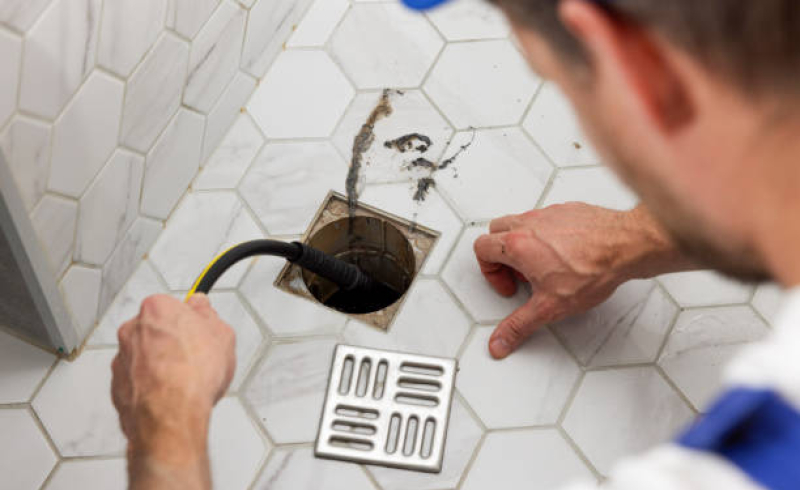
At Plumber On Demand, we provide professional shower drain cleaning for shower stalls, shower pans, and linear drains. Our technicians remove hair mats, soap scum biofilm, and body-oil film from the shower path, including hair catchers and the shower trap, so the pan can empty instead of holding standing water at your feet.
Many homeowners try to pick hair out of a catcher and assume the shower is clean. Biofilm and oils continue to coat the trap and the line beyond the grate. Tile grout can hold odor even after the visible hair is gone because the water is still sitting on the pan too long. Cleaning the shower drain properly means treating the stall as its own system.
Shower drain cleaning uses hydro-safe methods when they are appropriate for the pan and fixture, and snaking of the shower trap when the obstruction is hair packed in that trap. The service stays on the shower. It does not expand into vanity sinks, bidets, or tub overflow plates that belong to a different bathroom cleaning visit.
If you need shower drain cleaning, contact Plumber On Demand today at 905-409-0657.
What Is Shower Drain Cleaning?
Shower drain cleaning is the professional clearing of the drain that serves a shower stall, shower pan, or linear drain.
The shower drain path typically includes:
- The shower grate or strainer
- A hair catcher or hair interceptor
- The shower pan outlet
- A linear drain channel when that style is installed
- The shower trap
- The short line leaving the stall
These parts are built to take rinse water, hair, soap, and body oils away from the stall floor.
When biofilm and hair slow that path, water stands at the ankles, grout stays wet longer, and odor can linger in the stall even if other bathroom fixtures still drain.
Why Shower Drain Cleaning Is Important
A shower is used standing in the same small floor area every day. If that floor does not shed water, you are bathing in a shallow pool of rinse water, soap, and whatever was already in the pan.
Timely shower drain cleaning helps reduce:
- Standing water at the ankles
- Slippery soap film on the pan
- Tile grout odor from water that sits too long
- Hair mats in the catcher and trap
- Soap scum biofilm in the drain channel
- Repeat overflow of the stall into the bathroom floor
A stall that drains slowly is still a shower problem even when the vanity in the same room is fine. That is why shower drain cleaning is separate from whole-bathroom branch cleaning.
Leaving standing water on a shower pan also keeps grout and caulk wet longer than they were designed to stay wet.
Common Signs You Need Shower Drain Cleaning
A shower usually tells you it needs cleaning before it fails completely. Water stays on the pan, the catcher packs with hair, or the stall smells like wet soap long after the water is off.
Recognizing these signs helps you schedule shower drain cleaning while the stall is still usable.
Standing Water at the Ankles During a Shower
Water that rises around your feet while the shower is running is the clearest sign the drain is not keeping up.
You may notice:
- A pool forming at the low point of the pan
- Water that reaches your ankles before you finish
- A slow drop after you turn the water off
- A pan that is still wet far longer than it used to be
This is a shower drain cleaning issue. It is not a vanity sink problem, and it is not automatically an overflowing household emergency unless the stall is spilling out of the curb.
• A Hair Catcher That Packs Again Right After You Empty It
If you clean the hair catcher often and the shower still stands, the restriction is farther down.
Typical patterns include:
- Hair filling the catcher after one or two showers
- Water still pooling after the catcher looks empty
- Soap slime under the grate
- A catcher that is hard to reseat because of film
Shower drain cleaning addresses the catcher and the trap beneath it so you are not only emptying the same cup every day.
• Soap Scum Biofilm on the Grate or in a Linear Channel
Soap scum does not only live on tile walls. It forms a biofilm in the drain itself.
Biofilm signs include:
- A slick gray or tan film on the strainer
- A linear drain channel that feels slimy
- Water that sheets around the grate instead of dropping
- Odor that smells like old soap rather than perfume
Hydro-safe shower drain cleaning is often the right method for this film because snaking alone may punch a hole through hair without washing the biofilm off the channel walls.
• Tile Grout Odor After the Stall Dries Poorly
Grout that stays wet holds odor even when the rest of the bathroom smells fine.
Odor tied to a slow shower may come from:
- Water sitting on the pan after each use
- Biofilm in the drain feeding a stale smell
- Grout lines that never get a chance to dry
- Body oils that remain in the trap water
Shower drain cleaning shortens the time water sits on the floor of the stall. That is a shower-specific odor path, not a vanity P-trap issue.
• Body Oils and Residue Making the Pan Slow to Sheet Water
Body oils combine with soap and cling to the trap and pan outlet.
You may see:
- Water that beads or crawls toward the drain
- A ring of film at the grate
- A stall that feels coated underfoot
- Drainage that worsens after several hot showers in a row
Oils are part of why shower drain cleaning is not the same job as pulling a hair ball from a tub overflow or a bathroom sink stopper.
• A Linear Drain That Weeps or Drains Unevenly Along Its Length
Linear drains collect hair and biofilm along a channel rather than at a round grate.
Problems include:
- Water lingering at one end of the channel
- Hair packed against a weir or cover
- Uneven flow along the slot
- A cover that sits in slime
Shower drain cleaning for a linear drain includes the channel, the hair catcher design that belongs to that drain, and the trap it discharges into.
• The Shower Pan Holds Water While Other Bathroom Fixtures Still Drain
When the stall is the only slow drain in the room, the shower trap and pan outlet are the likely restriction.
This pattern looks like:
- Ankles in standing water during a shower
- A vanity that still empties
- No overflow emergency at a sink or floor drain
- Hair and soap evidence at the shower grate
That is the definition of a shower drain cleaning visit rather than a whole-bathroom cleaning page.
Common Shower Drain Cleaning Problems
Shower drains slow down for reasons that live in the stall: hair, biofilm, oils, catchers, pans, and linear channels.
• Hair Mats in the Shower Trap
Hair that gets past the catcher often knits in the trap under the pan.
Trap hair mats can cause:
- Standing water at the ankles
- A catcher that looks clear while the pan still pools
- Sudden slowing after a period of only mild delay
Snaking the shower trap is often the method that reaches this mat. Shower drain cleaning still has to deal with the film that helped the hair stick.
• Soap Scum Biofilm in the Drain Path
Biofilm coats surfaces and narrows flow even when a small opening remains.
Biofilm collects on:
- Round shower strainers
- Linear drain channels
- Hair catcher cups
- The upper trap area
Hydro-safe cleaning is frequently used here because the goal is to wash the film off, not only to punch through it.
• Body Oils Combining With Soap
Oils from skin and hair products bind with soap and cling to plastic and metal in the shower drain.
This combination may produce:
- A sticky grate
- Restricted pan outlet flow
- Recurring slime after a hair-only cleaning
Shower drain cleaning has to address oils, not only the visible hair.
• A Hair Catcher That Is Undersized or Rarely Serviced
Catchers work only if they are emptied and if water can still pass around the collected hair.
Catcher problems include:
- A cup packed solid
- A missing or damaged catcher sending more hair to the trap
- A catcher that bypasses water around a clogged basket
Cleaning the shower includes the catcher. Replacing household habits around emptying it helps the cleaning last, but it does not replace professional shower drain cleaning of the trap.
• Shower Pan Outlet Restriction
The outlet at the pan can scale or film over independently of the grate you see.
Outlet restriction may show as:
- Water pooling at the drain even with the strainer removed
- Slow sheet-off from the pan corners
- A stall that drains better at the start of a shower than at the end
Shower drain cleaning reaches that outlet rather than stopping at the decorative cover.
• Linear Drain Channel Loading
Linear drains hide a long, shallow path that loads with hair and biofilm along its length.
Channel loading can cause:
- One end of the stall to stand in water
- Cover removal that reveals a packed slot
- Odor from a channel that stays wet
This is still shower drain cleaning. It is not bathroom vanity work and not a general emergency unclog of a floor drain in another room.
Benefits of Professional Shower Drain Cleaning
Professional shower drain cleaning restores the stall you actually stand in.
• A Pan That Sheds Water Instead of Pooling at Your Feet
Clearing the grate, catcher, trap, and outlet helps the shower empty while you are using it.
Benefits include:
- Less standing water at the ankles
- A pan that drops after the water is off
- Safer footing with less pooled soap
• Removal of Hair, Biofilm, and Body Oils
The shower produces a debris mix that is different from toothpaste at a vanity.
Professional shower drain cleaning targets:
- Hair mats
- Soap scum biofilm
- Body-oil film
- Residue in linear channels
• Better Performance From Hair Catchers and Linear Covers
A catcher or linear cover that has been cleaned can do its job again.
That means:
- Hair intercepted before it packs the trap
- A channel that can be maintained
- Less daily overflow of the basket
• Reduced Tile Grout Odor Tied to a Wet Pan
When water leaves the stall, grout has a chance to dry.
Homeowners often notice:
- Less stale odor in the stall
- Grout that is not constantly dark with sitting water
- A shower that smells like the products you use, not like the drain
• Methods Matched to the Shower, Not Borrowed From Other Fixtures
Hydro-safe cleaning and shower-trap snaking are chosen for the pan and trap, not copied from a vanity P-trap visit.
Matching the method helps:
- Protect shower pan materials
- Reach biofilm in channels
- Open hair packed in the trap
Shower Drain Types and Locations We Clean
Plumber On Demand cleans shower drains as stall and pan systems.
• Shower Stalls
A stall concentrates hair, soap, and oils onto one grate.
Stall cleaning often includes:
- The strainer
- The hair catcher
- The trap under the stall
- The pan outlet
• Shower Pans
Pans are shaped to send water to a single outlet. When that outlet slows, the entire floor holds water.
We clean:
- Pan outlets
- Film at the low point of the pan
- The trap serving the pan
Shower drain cleaning on a pan is about ankle-deep standing water, not about a bathroom sink across the room.
• Linear Drains
Linear drains run along a wall or the stall entrance.
Cleaning includes:
- The linear cover
- The channel
- Hair packed along the slot
- The trap the channel discharges into
• Hair Catchers and Interceptors
Catchers are part of the shower drain, not optional accessories.
We clean and assess:
- Cups and baskets
- Bypass around a packed catcher
- Whether hair is still reaching the trap in volume
• Shower Traps
The trap under the shower is where many hair mats finally stop.
Shower drain cleaning may snake that trap when hair is packed there, and may use hydro-safe cleaning when biofilm is the main restriction.
The trap work stays on the shower. It is not a vanity P-trap service.
Hydro-Safe Cleaning vs. Snaking the Shower Trap
Not every slow shower needs the same tool.
Snaking the shower trap is effective when a hair mat is lodged in that trap and water cannot pass. Hydro-safe cleaning is effective when soap scum biofilm and oils coat the grate, linear channel, and upper drain path. Many showers need both: the mat opened so water can move, and the film washed so the stall does not slim down again immediately.
Shower drain cleaning at Plumber On Demand chooses between those methods based on what the stall is doing, not based on a one-tool habit. A vanity snake is not the default, and a whole-bathroom branch cleaning is not substituted for trap work under the pan.
If the pan material or drain style is better served by a gentler hydro approach, that is the path we take. If the catcher is empty and the pan still pools, the trap is the next place we look.
Shower Pan, Stall, and Linear Drain Differences
A round-grate stall, a molded pan, and a linear drain all fail in slightly different ways.
A stall with a center grate often shows a hair catcher packed tight and a trap mat below. A pan with a low point at one corner shows standing water that never reaches a poorly placed or filmed outlet. A linear drain shows channel slime and uneven flow along the slot.
Shower drain cleaning accounts for those layouts:
- Center-grate stalls and their catchers
- Pans that hold a pool at the ankles
- Linear channels that load along their length
The common thread is the shower floor you stand on. The vanity and bidet are not part of this comparison.
Tile Grout Odor and Standing Water
Grout odor in a stall is often a drainage problem before it is a grout-repair problem.
When shower drain cleaning restores drop-off at the pan, water does not sit on the floor through the next hour. Grout and caulk get a drying interval. Biofilm in the drain is no longer feeding a wet, stale smell back into the stall.
If odor remains after the pan empties promptly, the remaining issue may be grout or ventilation. The first plumbing step is still to stop the standing water that keeps the stall wet. That sequence keeps shower drain cleaning focused on the drain rather than on remodeling the tile.
Shower Drain Cleaning vs. Whole-Bathroom Drain Cleaning
Shower drain cleaning is limited to the stall, pan, linear drain, hair catcher, and shower trap.
Whole-bathroom drain cleaning covers vanity sinks, tub overflows, bidets, and toilet-adjacent floor drains as a group. Those fixtures collect toothpaste and shaving debris that the shower does not.
Choose shower drain cleaning when:
- Standing water is at your ankles in the stall
- The hair catcher and shower grate are the obvious collection points
- Tile grout odor is tied to a pan that stays wet
- Other bathroom fixtures still drain acceptably
Keeping the scopes separate prevents a shower visit from being diluted into a vanity job, and prevents a bathroom visit from skipping the pan trap.
How Often a Shower Drain Should Be Cleaned
Households that shed a lot of hair, use heavy soaps, or have a linear drain often need shower drain cleaning sooner.
Consider scheduling when:
- You empty the hair catcher often and the pan still pools
- Water stands at the ankles during a normal shower
- The linear channel feels slimy
- Grout odor returns as soon as the stall stays wet
Waiting until the stall spills over the curb turns a cleaning visit into a different emergency. Shower drain cleaning is meant to happen while the shower still functions, even if it functions poorly.
Hair Catchers, Biofilm, and the Shower Trap
A hair catcher is the first filter in a shower drain. It is not the whole drain. Homeowners often empty the cup, see a pile of hair, and assume shower drain cleaning is finished. Water that still stands at the ankles after that step is coming from biofilm, body oils, or a hair mat in the shower trap under the pan.
The three layers work together:
- The catcher intercepts the hair you can lift out
- Soap scum biofilm coats the grate, the pan outlet, and a linear channel
- The shower trap holds the hair and oil that got past the catcher
Professional shower drain cleaning treats all three. Hydro-safe cleaning washes film off surfaces a snake would only pierce. Snaking the shower trap reaches the mat that keeps the pan from dropping. Skipping either layer is why a stall can look tended and still pool around your feet.
This is also why the service stays on the shower. A vanity stopper and a tub overflow plate collect a different debris mix. They are not a substitute for opening the trap under the stall.
The Shower Drain Cleaning Process
At Plumber On Demand, we follow a detailed process so the stall is cleaned as a shower, not as a stand-in for the rest of the bathroom.
• Step 1: Shower Pan and Drain Inspection
We look at how water sits on the pan, how the grate or linear cover is loaded, and whether the hair catcher is the only restriction.
Inspection notes:
- Standing water pattern
- Catcher condition
- Biofilm on the grate or channel
- Signs that the trap is packed
• Step 2: Hair Catcher and Cover Removal
We remove the catcher, strainer, or linear cover so the real opening is visible.
This step often reveals:
- Hair below the basket
- Channel slime
- An outlet that is filmed over
• Step 3: Hydro-Safe Cleaning or Shower Trap Snaking
We choose hydro-safe cleaning for biofilm and oils, snaking for a packed shower trap, or both when the stall needs each method.
The work stays on the shower drain path.
• Step 4: Flow Test on the Pan
We run the shower and watch the pan, the linear channel, and the grate.
A successful shower drain cleaning shows:
- Water leaving instead of rising at the ankles
- A channel that does not weep at one end
- A catcher that can be returned to service
• Step 5: Catcher Reassembly and Care Guidance
We reinstall covers and catchers and explain how hair, soap scum biofilm, and body oils built up in this stall.
Guidance is practical: empty the catcher, watch for standing water, and schedule shower drain cleaning again if the pan starts holding a pool.
Why Homeowners Choose Plumber On Demand
Homeowners trust Plumber On Demand for shower drain cleaning because the visit is built around the stall you stand in.
• Shower-Specific Scope
We clean stalls, pans, linear drains, hair catchers, and shower traps.
We do not turn the appointment into a vanity and bidet cleaning page.
• Hydro-Safe Options When Biofilm Is the Problem
Soap scum biofilm and oils need washing, not only a hole punched through a hair mat.
Hydro-safe shower drain cleaning is used when that film is what is holding water on the pan.
• Trap Snaking When Hair Is Packed Below the Grate
A clean catcher with a pooling pan usually means the shower trap is loaded.
We snake that trap as part of shower drain cleaning when that is the restriction.
• Experience With Linear Drains and Pans
Linear channels and molded pans fail differently from a simple round grate.
We clean the layout you actually have.
• Clear Distinction From Emergency Overflow Work
If the stall is slow but contained, this is shower drain cleaning.
If water is already flooding out of the stall across the bathroom floor as a complete blockage emergency, that is a different call. We will say so plainly.
Frequently Asked Questions About Shower Drain Cleaning
• Is Shower Drain Cleaning the Same as Bathroom Drain Cleaning?
No.
Shower drain cleaning is for the stall, pan, linear drain, hair catcher, and shower trap. Bathroom drain cleaning covers vanity sinks, tub overflows, bidets, and related floor drains as a group.
• Why Is Water Standing at My Ankles If I Clean the Hair Catcher?
Hair and biofilm are often in the shower trap or pan outlet below the catcher.
Emptying the cup is useful, but it is not a complete shower drain cleaning.
• Do You Use Hydro-Safe Cleaning or a Snake?
It depends on the restriction.
Hydro-safe cleaning is suited to soap scum biofilm and oils. Snaking is suited to a hair mat in the shower trap. Many stalls need both.
• Can a Linear Drain Be Cleaned the Same Way as a Round Grate?
The goal is the same, but the path is different.
Linear drains need the channel cleaned along its length, not only a single strainer opening.
• Will Shower Drain Cleaning Help Tile Grout Odor?
It often helps when the odor is caused by water sitting on the pan.
Once the stall sheds water, grout can dry. Remaining grout damage is a separate issue.
• Is This an Emergency Unclogging Service?
Not by default.
Shower drain cleaning is for a stall that still drains but pools. A completely blocked shower that is overflowing out of the stall is an emergency drain situation instead.
• How Do I Know the Shower Drain Cleaning Worked?
The pan should drop while you shower, water should not sit at the ankles, and the grate or linear channel should take flow without a standing pool after you shut the water off.
Schedule Professional Shower Drain Cleaning Today
A shower stall is its own drain system. Hair catchers, shower pans, linear channels, soap scum biofilm, and body oils combine under your feet in a way that vanity cleaning and emergency unclogging do not describe. When water stands at the ankles, grout stays wet, and the catcher fills as fast as you empty it, the stall needs shower drain cleaning.
Professional shower drain cleaning restores the pan outlet and trap so the floor of the stall can shed water. Hydro-safe methods address biofilm. Snaking addresses a packed shower trap. The work stays on the shower you stand in.
At Plumber On Demand, we provide shower drain cleaning for stalls, pans, linear drains, and hair catchers. Whether you are dealing with standing water at the ankles, a slimy linear channel, tile grout odor from a pan that will not dry, or a trap that packs with hair under a catcher that already looks empty, our technicians are ready to restore shower drainage.
Do not keep showering in a pool while you wait for a whole-bathroom appointment that will not focus on the pan.
• Call Plumber On Demand today at 905-409-0657 to schedule professional shower drain cleaning and restore drainage at your stall, shower pan, or linear drain.
Contact Plumber On Demand