
Septic Tank Pumping Brookville
 (459)
(459)
(459)
SEPTIC TANK PUMPING | PLUMBER ON DEMAND
A properly functioning septic system is essential for any property that is not connected to a municipal sewer network. When it works correctly, it quietly handles all wastewater from your home or business without interruption. However, unlike public sewer systems, a septic system requires ongoing maintenance to prevent backups, odors, and system failure. One of the most important maintenance tasks is septic tank pumping.
Over time, solid waste accumulates inside the septic tank. While bacteria help break down some of the material, not everything decomposes. Sludge and scum layers gradually build up, reducing the tank’s capacity and affecting how efficiently wastewater flows through the system. Without regular pumping, this buildup can lead to slow drains, sewage backups, drain field damage, and expensive repairs.
At Plumber On Demand, we provide professional septic tank pumping services designed to keep your system operating safely and efficiently. Our team removes built-up waste, inspects your tank for potential issues, and helps ensure your entire septic system continues to function properly.
If you are experiencing slow drains, unpleasant odors, or signs of a full septic tank, contact Plumber On Demand today at 289-501-6316 for fast and reliable service.
What Is Septic Tank Pumping?
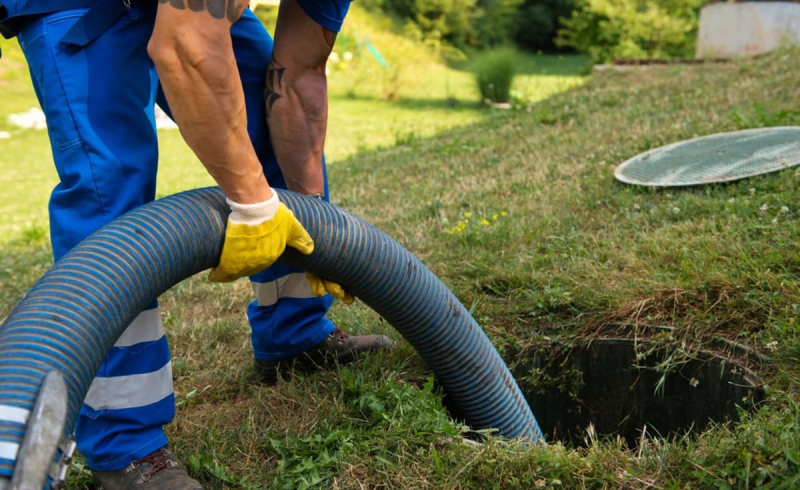
Septic tank pumping is the process of removing accumulated solids, sludge, and scum from inside a septic tank using specialized vacuum equipment. This service restores the tank’s storage capacity and helps prevent wastewater from backing up into your home or leaking into the surrounding environment.
A septic system typically consists of:
- A septic tank
- An inlet pipe from the home
- An outlet pipe leading to the drain field
- A drain field (or leach field)
Inside the tank, wastewater naturally separates into three layers:
1. Scum layer – oils, grease, and lighter materials float to the top
2. Liquid effluent – partially treated wastewater in the middle
3. Sludge layer – heavier solids that sink to the bottom
While the system is designed to retain solids and allow liquid to flow out, the sludge and scum gradually build up. Septic tank pumping removes these accumulated layers to restore proper function.
How a Septic System Works
Understanding how a septic system works helps explain why regular pumping is so important.
When wastewater leaves your home, it flows into the septic tank. Inside the tank, natural bacterial activity begins breaking down organic material. The solids settle while liquids move toward the outlet pipe, eventually flowing into the drain field.
The drain field then disperses and filters the wastewater through soil layers, where natural processes further purify it before it returns to the groundwater system.
However, this process depends on balance.
When the septic tank becomes too full of solids:
- Wastewater does not separate properly
- Solids may flow into the drain field
- Soil can become clogged
- Drain field failure may occur
- Sewage may back up into the home
Regular septic tank pumping prevents these issues by removing excess buildup before it interferes with system operation.
Why Septic Tank Pumping Is Necessary
Unlike municipal sewer systems, septic systems do not have continuous treatment facilities. They rely on natural separation and bacterial breakdown inside a limited space.
Over time, solids accumulate faster than they decompose.
Without pumping:
- The tank becomes overfilled
- Wastewater flow becomes restricted
- Drain field becomes overloaded
- System efficiency decreases
- Environmental contamination risk increases
- Expensive repairs or replacement may be required
Septic tank pumping is not optional maintenance—it is essential system care that protects both your property and the surrounding environment.
How Often Should You Pump Your Septic Tank?
There is no one-size-fits-all answer, but most residential septic tanks should be pumped every 3 to 5 years.
However, several factors affect the pumping frequency:
• Household Size
More occupants generate more wastewater and solids, requiring more frequent pumping.
• Tank Size
Smaller tanks fill up faster and require more regular service.
• Water Usage
High water usage from laundry, showers, and dishwashing can increase system load.
• Garbage Disposal Use
Using a garbage disposal introduces additional solids into the system, increasing sludge buildup.
• System Age and Condition
Older systems may require more frequent maintenance.
A professional inspection can determine the ideal pumping schedule for your specific system.
Signs You Need Septic Tank Pumping
A septic system usually gives warning signs before a failure occurs. Recognizing these signs early can prevent costly damage.
• Slow Drains
If sinks, tubs, or toilets drain slowly throughout your home, it may indicate a full or overloaded septic tank.
• Sewage Odors
Strong odors inside or outside the home often signal that the tank is full or that gases are escaping from the system.
• Gurgling Pipes
Unusual sounds coming from plumbing fixtures can indicate air trapped in the system due to restricted flow.
• Standing Water
Pooling water around the drain field may indicate that wastewater is not being properly absorbed.
• Sewage Backups
One of the most serious signs is wastewater backing up into sinks, bathtubs, or toilets. This often means the system is already overloaded.
• Lush Grass Over Drain Field
While green grass may seem healthy, unusually fast-growing or overly lush vegetation above the drain field can indicate excess wastewater near the surface.
If you notice any of these symptoms, immediate septic tank pumping is recommended to prevent further damage.
What Happens During Septic Tank Pumping?
A professional septic pumping service follows a detailed process to safely remove waste and evaluate system condition.
At Plumber On Demand, our technicians follow a careful step-by-step procedure:
• Step 1: Locating the Tank
The septic tank is identified and accessed through the main service lids or access ports.
• Step 2: Inspection of Access Points
Before pumping begins, we inspect the condition of the tank lid and access areas to ensure safe entry.
• Step 3: Waste Removal
Using specialized vacuum equipment, sludge, scum, and liquid waste are removed from the tank and transferred to a licensed disposal facility.
• Step 4: Tank Inspection
After pumping, the interior of the tank is inspected for:
- Cracks or damage
- Inlet and outlet pipe condition
- Baffle integrity
- Signs of leaks or deterioration
• Step 5: System Assessment
We evaluate overall system condition and identify any concerns that may require future maintenance or repair.
• Step 6: Cleanup and Closure
The access points are securely closed, and the area is cleaned and restored as much as possible.
Why Regular Septic Pumping Protects Your Drain Field
The drain field is one of the most expensive and critical components of a septic system. Once it fails, repairs are often costly and disruptive.
Regular septic tank pumping helps protect the drain field by ensuring that only properly treated liquid effluent flows into it.
When a tank is not pumped:
- Solid waste may enter the drain field
- Soil becomes clogged
- Water absorption slows
- System backup occurs
- Drain field replacement may be required
Protecting the drain field is one of the biggest financial reasons to schedule routine pumping.
Residential Septic Tank Pumping
Most septic systems are installed in residential properties that are not connected to municipal sewer lines. These systems are designed to handle typical household wastewater, but they still require maintenance.
Residential septic pumping helps homeowners:
- Prevent backups
- Maintain proper drainage
- Avoid foul odors
- Extend system lifespan
- Protect property value
- Reduce emergency repairs
At Plumber On Demand, we provide residential septic pumping services tailored to your household size, tank capacity, and system condition.
Commercial Septic Tank Pumping
Commercial properties with septic systems often generate significantly more wastewater than residential homes.
Facilities such as:
- Restaurants
- Motels
- Apartment buildings
- Campgrounds
- Industrial facilities
require more frequent septic maintenance due to higher usage levels.
Commercial septic tank pumping helps prevent:
- Business interruptions
- Health and safety violations
- Wastewater overflow
- Odor complaints
- Drain field damage
Routine service ensures compliance and operational stability.
Septic systems are built to last for decades, but only when they are properly maintained. Pumping the tank is the most important maintenance task, but it is not the only one. Understanding how to care for your system between service visits can significantly reduce the risk of backups, costly repairs, and drain field failure.
This section continues the complete septic tank pumping guide for homeowners and property managers, focusing on prevention, emergency situations, system protection, and long-term performance.
Septic Tank Maintenance Between Pumping Services
Regular septic tank pumping removes accumulated solids, but day-to-day habits determine how quickly your tank fills up and how well your system performs between services.
Good maintenance practices include:
• Water Usage Control
Excess water entering the system too quickly can overwhelm the septic tank. Spreading out water usage helps maintain balance.
For example:
- Avoid running multiple loads of laundry back-to-back
- Space out showers and dishwasher cycles
- Fix leaking faucets and toilets promptly
Reducing unnecessary water flow helps the septic tank process waste more efficiently.
• Proper Waste Disposal
What goes down your drains has a direct impact on septic system health.
Avoid flushing or draining:
- Baby wipes (even “flushable” ones)
- Feminine hygiene products
- Paper towels
- Cooking grease or oil
- Coffee grounds
- Harsh chemicals or solvents
These materials do not break down properly and can significantly increase sludge buildup, making septic tank pumping necessary more frequently.
• Protecting Beneficial Bacteria
Your septic system relies on naturally occurring bacteria to break down waste.
Strong chemical cleaners, antibacterial soaps, and bleach-heavy products can disrupt this balance.
Using septic-safe cleaning products helps maintain a healthy bacterial environment inside the tank.
• Regular Inspections
Even if your system appears to be working properly, periodic inspections can identify:
- Early sludge buildup
- Pipe wear or corrosion
- Drain field stress
- Flow imbalances
- Structural tank issues
Routine inspections combined with scheduled septic tank pumping provide the best long-term protection.
Emergency Septic Tank Pumping
Septic system failures rarely happen at convenient times. When a tank becomes completely full or the system becomes blocked, immediate action is required to prevent property damage and health risks.
Emergency pumping may be needed when:
- Sewage is backing up into the home
- Toilets are overflowing or not flushing
- Strong sewage odors are present indoors or outdoors
- Multiple drains are failing simultaneously
- Wastewater is surfacing in the yard
In these situations, delaying service can lead to contamination, structural damage, and costly cleanup.
At Plumber On Demand, emergency septic tank pumping is designed to quickly restore system function and reduce the risk of further damage. Fast response helps prevent wastewater from spreading into living areas or surrounding soil.
If you are experiencing a septic emergency, contact 289-501-6316 immediately.
Common Septic System Problems
Septic systems can develop a variety of issues over time, many of which are preventable with routine pumping and maintenance.
• Sludge Overflow
When the tank is not pumped regularly, solid waste can overflow into the outlet pipe and enter the drain field, causing blockages and long-term damage.
• Drain Field Failure
A saturated or clogged drain field is one of the most expensive septic problems. Once the soil becomes compacted or clogged with solids, it loses its ability to absorb wastewater properly.
• Pipe Blockages
Grease buildup, solid waste, or foreign objects can block inlet or outlet pipes, restricting flow and causing backups.
• Tank Structural Damage
Older septic tanks may develop cracks, corrosion, or weakened baffles that affect system performance and safety.
• Excess Scum Layer
Too much floating material can block airflow and restrict proper separation inside the tank.
Routine septic tank pumping helps prevent many of these issues by maintaining proper system balance.
Drain Field Protection Strategies
The drain field is one of the most critical and expensive parts of a septic system. Protecting it should always be a top priority.
• Avoid Heavy Traffic
Never drive or park vehicles over the drain field. Soil compaction can permanently reduce its ability to absorb wastewater.
• Manage Water Flow
Excess water from irrigation systems, sump pumps, or roof runoff should be directed away from the drain field.
• Maintain Proper Pumping Schedule
Regular septic tank pumping prevents solids from reaching the drain field and causing irreversible damage.
• Monitor Vegetation
Healthy grass is normal, but overly lush or soggy areas may indicate wastewater surfacing underground.
Environmental Importance of Septic Tank Pumping
A properly maintained septic system plays an important role in protecting groundwater and surrounding ecosystems.
When septic tanks are neglected:
- Untreated wastewater can leak into soil
- Groundwater contamination may occur
- Nearby wells may be affected
- Surface water pollution risk increases
Regular pumping ensures wastewater is properly contained and treated within the system, reducing environmental impact.
Responsible septic maintenance is not only important for your property—it also protects the broader environment.
Septic Tank Pumping Myths
There are several common misconceptions about septic systems that can lead to poor maintenance decisions.
• Myth 1: Additives Replace Pumping
Some believe chemical additives eliminate the need for pumping. In reality, no additive can remove accumulated solids from a septic tank.
• Myth 2: Septic Tanks Never Need Maintenance
Septic systems are not “set and forget” systems. They require routine pumping to function properly.
• Myth 3: If It’s Not Backed Up, It’s Fine
Many septic problems develop silently. By the time backups occur, the system may already be close to failure.
• Myth 4: Rain Causes Septic Problems
While heavy rain can stress a drain field, most issues stem from internal buildup and lack of pumping, not weather alone.
Factors That Affect Septic Tank Pumping Cost
The cost of septic tank pumping can vary depending on several factors:
- Tank size
- Level of buildup
- Accessibility of the tank
- Location of the system
- Emergency vs scheduled service
- Condition of the system
- Additional inspection requirements
While cost is important, delaying pumping often leads to significantly more expensive repairs if the system fails.
Septic Tank Pumping vs Septic Inspection
Although they are often performed together, pumping and inspection are two different services.
• Septic Tank Pumping
- Removes waste and sludge
- Restores tank capacity
- Prevents backups
- Required maintenance service
• Septic Inspection
- Evaluates system condition
- Identifies potential issues
- Checks pipes, baffles, and drain field
- Recommends maintenance or repairs
Combining both services provides the most complete system care.
Benefits of Regular Septic Tank Pumping
Routine pumping offers long-term advantages that protect both your property and your investment.
Key benefits include:
- Preventing sewage backups
- Extending system lifespan
- Protecting drain field integrity
- Reducing repair costs
- Improving system efficiency
- Maintaining property value
- Reducing environmental risk
- Ensuring reliable wastewater flow
Consistent maintenance is always more cost-effective than emergency repairs or system replacement.
Why Choose Plumber On Demand for Septic Tank Pumping
Choosing a qualified service provider is essential when dealing with septic systems. Improper pumping or incomplete service can leave behind buildup that continues to cause problems.
At Plumber On Demand, we focus on thorough, professional septic tank pumping services designed to fully restore system performance.
Our approach includes:
- Complete waste removal
- Careful system inspection
- Identification of potential issues
- Safe and responsible disposal practices
- Clear communication with homeowners
- Reliable scheduling and emergency response
We understand how disruptive septic problems can be, and our goal is to restore your system quickly and correctly.
Frequently Asked Questions About Septic Tank Pumping
• How do I know if my septic tank is full?
Common signs include slow drains, sewage odors, gurgling pipes, and backups in toilets or sinks. These symptoms often indicate the tank needs pumping.
• How often should a septic tank be pumped?
Most systems require pumping every 3–5 years, but usage, tank size, and household size can change this schedule.
• What happens if I never pump my septic tank?
The system will eventually overflow, causing backups, drain field damage, and potentially requiring full system replacement.
• Can I pump my septic tank myself?
No. Septic pumping requires specialized vacuum equipment and licensed waste disposal methods.
• Does septic pumping fix drainage problems?
It can fix issues caused by a full tank, but not problems related to damaged pipes or drain field failure.
• Will pumping remove all odors?
If odors are caused by a full tank, pumping can help significantly reduce them.
• Is septic pumping messy?
When performed professionally, the process is controlled, clean, and contained using proper equipment.
• Can heavy rain affect my septic system?
Yes. Excess groundwater can temporarily overload the system, but pumping is still required for internal buildup.
• What is the most important septic maintenance task?
Regular septic tank pumping is the most critical maintenance requirement.
Schedule Professional Septic Tank Pumping Today
A well-maintained septic system is essential for protecting your home, your health, and your property value. Over time, all septic tanks accumulate solid waste that must be removed through professional septic tank pumping services.
Ignoring maintenance can lead to serious issues including sewage backups, drain field failure, unpleasant odors, and costly repairs. Routine pumping helps ensure your system continues operating safely and efficiently for years to come.
At Plumber On Demand, we provide reliable septic tank pumping services backed by experience, proper equipment, and a commitment to quality workmanship. Whether you need routine maintenance or emergency service, our team is ready to help.
If you are experiencing septic issues or it has been several years since your last service, contact Plumber On Demand today at 289-501-6316 to schedule your septic tank pumping appointment.
Contact Plumber On Demand