
Septic Tank Installation Port Maitland
 (459)
(459)
(459)
SEPTIC TANK INSTALLATION | PLUMBER ON DEMAND
Installing a septic system is one of the most important infrastructure decisions for any property that is not connected to a municipal sewer system. A properly designed and installed septic system can last for decades, while a poorly installed system can fail within just a few years. Because of this, septic tank installation is not just a construction task—it is a long-term investment in the safety, functionality, and value of a property.
A septic system must be carefully designed to match soil conditions, household size, water usage patterns, and local environmental requirements. Every component, from the tank to the drain field, must work together to safely treat and dispose of wastewater.
At Plumber On Demand, we provide professional septic tank installation services designed to ensure long-lasting performance, regulatory compliance, and reliable wastewater management for residential and commercial properties.
If you are planning a new septic system or replacing an old one, contact Plumber On Demand at 289-501-6316 for expert installation support.
What Is Septic Tank Installation?
Septic tank installation is the process of designing, preparing, and constructing a complete on-site wastewater treatment system. This includes:
- Selecting the correct tank size
- Excavating and preparing the installation site
- Installing the septic tank
- Building the drain field (leach field)
- Connecting plumbing from the home to the system
- Ensuring proper grading and flow direction
- Testing system performance after installation
The goal is to create a self-contained wastewater system that safely treats household sewage without harming the environment.
When Is a New Septic Tank Installation Needed?
A new septic system is required in several situations:
• New Home Construction
Homes built in rural or suburban areas without sewer access require a complete septic system installation.
• Failed Existing System
When an old septic system can no longer be repaired or restored, full replacement is necessary.
• Property Expansion
Adding bedrooms or increasing water usage may require a larger or upgraded septic system.
Environmental or Code Compliance Issues
Older systems may no longer meet current regulations and must be replaced or upgraded.
• Poor Existing System Design
Some properties have outdated or improperly designed systems that require full redesign and installation.
• Septic System Design Basics
Before installation begins, the system must be properly designed based on site conditions.
• Soil Testing (Percolation Test)
Soil must be tested to determine how quickly it absorbs water. This affects drain field size and design.
• Household Size Calculation
The number of occupants determines daily wastewater volume and tank size requirements.
• Tank Sizing
Septic tanks are selected based on:
- Daily water usage
- Number of bedrooms
- Peak system load
• Drain Field Design
The drain field must be sized and positioned to allow safe wastewater absorption into the soil.
• Site Layout Planning
Installation must consider:
- Property boundaries
- Water table levels
- Slope and drainage direction
- Distance from wells or water sources
Why Proper Septic Installation Matters
A septic system is not just a tank buried underground—it is a carefully balanced wastewater treatment system.
Poor installation can lead to:
- Early system failure
- Drain field collapse
- Sewage backups
- Groundwater contamination
- Expensive repairs or replacement
Proper septic tank installation ensures long-term system reliability and environmental safety.
Types of Septic Systems
Different properties require different septic system types depending on soil conditions and usage.
• Conventional Septic Systems
The most common type, using a septic tank and gravity-fed drain field.
• Chamber Systems
Used in areas with limited soil absorption capacity.
• Aerobic Treatment Systems
Use oxygen-based treatment to break down waste more efficiently.
• Mound Systems
Used when soil conditions are poor or groundwater is high.
• Pressure Distribution Systems
Use pumps to evenly distribute wastewater across the drain field.
A septic tank installation is a major construction project that permanently affects how a property manages wastewater. Once installed, the system becomes one of the most critical utility structures on the property. Because of that, precision during installation is essential—errors made during construction can lead to decades of problems.
This section continues the full SEO guide for Septic Tank Installation, covering the installation process, permitting, costs, common mistakes, system lifespan, maintenance after installation, and long-term performance expectations.
Step-by-Step Septic Tank Installation Process
A professional septic installation follows a structured process to ensure the system is safe, compliant, and built for long-term use.
• Step 1: Site Evaluation and Planning
Before any digging begins, the property is thoroughly evaluated. This includes:
- Soil testing (percolation test)
- Water table assessment
- Property slope analysis
- Distance from wells, homes, and boundaries
- Identification of suitable drain field areas
This stage determines whether the land can support a septic system and what type of system is required.
• Step 2: Permits and Regulatory Approval
Septic systems must comply with local health and environmental regulations.
Permits typically ensure:
- Proper system sizing
- Safe distance from water sources
- Approved installation methods
- Environmental protection compliance
Without approval, installation cannot legally proceed.
• Step 3: Excavation
Heavy equipment is used to excavate the area for:
- Septic tank placement
- Drain field trenches
- Pipe connections
Excavation must follow precise depth and grading requirements to ensure proper wastewater flow.
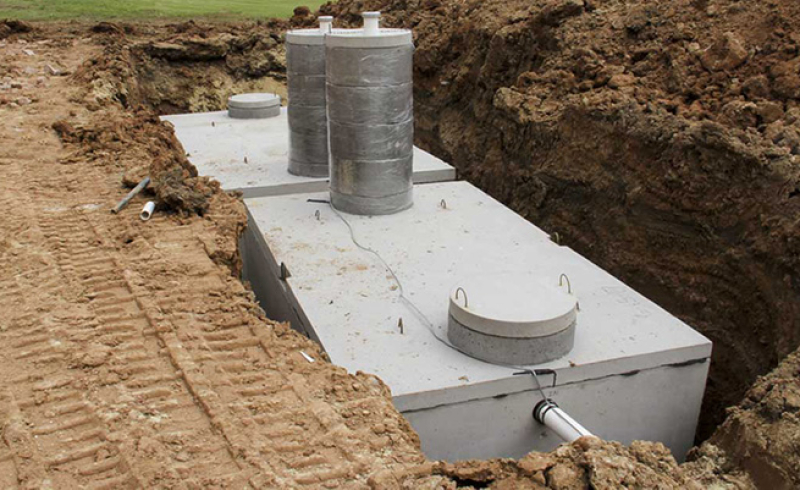
• Step 4: Septic Tank Placement
The septic tank is carefully lowered into the excavated area.
Key considerations include:
- Proper leveling
- Structural stability
- Alignment with inlet and outlet pipes
- Secure positioning to prevent shifting
• Step 5: Pipe Connection Installation
Pipes connect the home’s plumbing system to the septic tank.
This includes:
- Inlet pipe from home to tank
- Outlet pipe from tank to drain field
- Proper slope for gravity flow
Incorrect pipe slope can lead to system failure.
• Step 6: Drain Field Construction
The drain field is built to distribute treated wastewater into the soil.
This involves:
- Installing perforated pipes
- Adding gravel or alternative filtration materials
- Ensuring even distribution lines
- Backfilling with soil layers
The drain field is one of the most important parts of the system.
• Step 7: System Backfilling and Site Restoration
Once installed, the system is covered and the site is restored.
This includes:
- Backfilling trenches
- Compacting soil appropriately
- Restoring grading and surface flow
- Cleaning the installation area
• Step 8: System Testing and Final Inspection
Before the system is approved for use, it is tested to ensure:
- Proper wastewater flow
- No leaks or blockages
- Drain field absorption is functioning
- All components are correctly installed
• Septic Tank Installation Cost Factors
The cost of septic tank installation can vary widely depending on several factors.
• System Type
Different systems have different costs:
- Conventional systems (most affordable)
- Aerobic systems (more expensive)
- Mound systems (higher cost due to design complexity)
• Soil Conditions
Poor soil conditions may require:
- Larger drain fields
- Specialized filtration systems
- Additional excavation work
• Tank Size
Larger homes require larger tanks, which increases material and installation costs.
• Property Accessibility
Difficult terrain or limited access for equipment can increase labor costs.
• Permit and Inspection Requirements
Local regulations may require multiple inspections and approvals.
• Drain Field Size
The drain field is often one of the most expensive parts of installation.
While costs vary, proper installation is a long-term investment that prevents far more expensive system failures later.
Common Septic Installation Mistakes
Improper installation is one of the leading causes of septic system failure.
• Incorrect Tank Sizing
Undersized tanks quickly become overloaded, leading to backups and system stress.
• Poor Drain Field Design
Improper spacing or placement can prevent wastewater absorption.
• Incorrect Pipe Slope
Too steep or too shallow pipe angles can disrupt flow and cause blockages.
• Ignoring Soil Conditions
Failing to properly test soil can lead to drain field failure.
• Cutting Corners on Materials
Low-quality materials reduce system lifespan and reliability.
• Improper Backfilling
Incorrect soil compaction can damage pipes or affect drainage.
• Septic System Lifespan After Installation
A properly installed septic system can last for decades.
Typical lifespans:
- Septic tank: 20–40 years
- Drain field: 15–30 years
- Pipes: 30+ years
However, lifespan depends heavily on:
- Installation quality
- Maintenance habits
- Water usage
- Soil conditions
A poorly installed system may fail within just a few years.
• Maintenance After Septic Tank Installation
Even a newly installed system requires proper care from the beginning.
• Early Usage Period
New systems should be monitored closely during the first year to ensure proper performance.
• Routine Pumping Schedule
Regular pumping prevents sludge buildup and system overload.
• Water Usage Control
Avoid overwhelming the system during initial months of use.
Drain Field Protection
Do not drive or build over the drain field area.
Environmental Importance of Proper Installation
A properly installed septic system protects the environment by safely treating wastewater underground.
When installation is done correctly:
- Groundwater contamination is prevented
- Soil filtration works efficiently
- Surface water remains protected
- Local ecosystems are safeguarded
Poor installation can lead to long-term environmental damage.
Why Choose Plumber On Demand for Septic Tank Installation
At Plumber On Demand, we provide professional septic tank installation services focused on long-term reliability, safety, and compliance.
Our approach includes:
- Full site evaluation and planning
- Proper system design based on soil and usage
- High-quality installation methods
- Code-compliant construction
- Drain field optimization
- Long-term performance focus
We ensure your septic system is built correctly from the ground up to avoid future failures.
Frequently Asked Questions About Septic Tank Installation
• How long does septic tank installation take?
Most installations take several days depending on soil conditions and system type.
• Do I need a permit for septic installation?
Yes. All septic systems require local regulatory approval.
• Can any property support a septic system?
No. Soil conditions and space availability determine feasibility.
• What is the most expensive part of installation?
The drain field is often the most costly component.
• How long will a new septic system last?
A properly installed system can last 20–40 years or more.
• Can I install a septic system myself?
No. Professional installation and permits are required.
• What happens if installation is done incorrectly?
It can lead to system failure, backups, and environmental contamination.
Schedule Professional Septic Tank Installation Today
A septic system is a long-term infrastructure investment that directly impacts the safety, functionality, and value of a property. Proper septic tank installation ensures that wastewater is treated efficiently, safely, and in compliance with environmental standards.
At Plumber On Demand, we specialize in designing and installing septic systems that are built for long-term performance. From soil evaluation to final installation, we ensure every step is completed with precision and care.
If you are planning a new septic system or replacing an old one, contact Plumber On Demand today at 289-501-6316 to schedule your septic tank installation consultation.
Contact Plumber On Demand