
Septic System Repair Bond Head
 (459)
(459)
(459)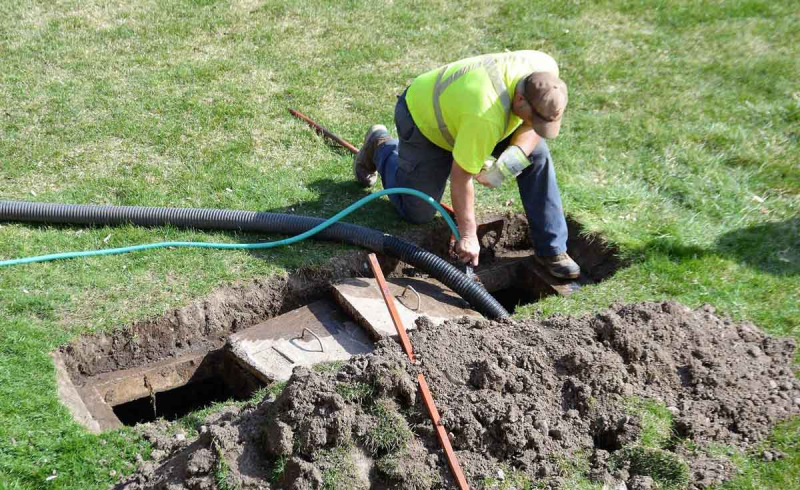
A septic system is a fully integrated wastewater treatment system made up of multiple interconnected components working together underground. When everything is functioning correctly, wastewater flows from the home into the septic tank, separates into layers, and then moves into the drain field for natural soil filtration. However, when even one part of the system begins to fail, it can affect the entire operation.
Septic system repair refers to diagnosing and correcting failures that impact the overall performance of the system—not just a single pipe or component, but the system as a whole. This includes tank malfunction, drain field failure, distribution issues, hydraulic imbalance, and structural breakdowns that prevent the system from functioning properly.
At Plumber On Demand, we provide professional septic system repair services designed to restore full system functionality, prevent wastewater failure, and protect your property from damage.
If your septic system is showing signs of failure, contact Plumber On Demand at 905-409-0719 for fast professional service.
SEPTIC SYSTEM REPAIR | PLUMBER ON DEMAND
Septic system repair involves identifying and fixing failures that affect the entire wastewater treatment system. Unlike localized plumbing repairs, septic system repair focuses on how all components interact.
A septic system repair may involve:
- Restoring tank function and capacity
- Repairing or replacing drain field sections
- Fixing distribution box failures
- Clearing system-wide blockages
- Correcting hydraulic imbalances
- Repairing broken or collapsed pipes
- Addressing soil saturation issues
The goal is to restore full system operation so wastewater flows, separates, and disperses properly.
How a Septic System Fails as a Whole
Septic system failure usually begins with one small issue that gradually spreads across the system.
• Hydraulic Overload
Too much water entering the system too quickly can overwhelm both the tank and drain field.
• Drain Field Saturation
When the drain field becomes clogged or saturated, it can no longer absorb wastewater properly.
• Tank-to-Field Transfer Failure
If wastewater cannot properly move from the tank to the drain field, pressure builds inside the system.
• Distribution Box Failure
A damaged distribution box can send uneven wastewater flow to the drain field, causing partial system collapse.
• Soil Absorption Breakdown
Soil can become compacted or clogged with solids, preventing proper filtration.
• Structural Component Failure
Cracked tanks, broken pipes, or collapsed lines can disrupt the entire system.
Signs You Need Septic System Repair
When a septic system begins to fail, it typically shows multiple warning signs at once.
• Multiple Drain Issues at the Same Time
If sinks, tubs, and toilets all drain slowly, the problem is likely system-wide.
• Sewage Backing Up Indoors
Wastewater returning into the home is a critical sign of system failure.
• Persistent Yard Flooding
Wet, soggy, or foul-smelling areas near the drain field indicate system overload.
• Strong Odors Across Property
Sewage smells inside and outside the home suggest system breakdown.
• Gurgling Throughout Plumbing System
Air trapped in pipes indicates pressure imbalance within the septic system.
If these symptoms are present, full septic system repair is likely required.
When a septic system begins to fail at the system level, the situation can escalate quickly from minor performance issues to full wastewater failure. Unlike isolated plumbing problems, septic system repair deals with interconnected breakdowns across the tank, drain field, and distribution network. That means solving the issue requires understanding how all components are affecting each other at the same time.
This section continues the full SEO guide for Septic System Repair, focusing on emergencies, system diagnostics, repair strategies, reconstruction decisions, costs, environmental risks, prevention, and long-term stabilization.
Emergency Septic System Failure
A full septic system failure is one of the most urgent plumbing-related emergencies a property can face. It typically indicates that wastewater is no longer moving or being processed correctly anywhere in the system.
Emergency septic system repair may be required when:
- Raw sewage is backing up into toilets, tubs, or sinks
- Multiple drains fail simultaneously across the home
- Wastewater is surfacing in the yard or drain field area
- Strong sewage odors are present indoors and outdoors
- Toilets overflow repeatedly after flushing
- Plumbing system becomes completely non-functional
These conditions often indicate a system-wide collapse, not a localized blockage.
If left untreated, emergency failure can lead to:
- Severe property contamination
- Structural damage to flooring and walls
- Groundwater pollution
- Drain field destruction
- Complete system replacement costs
At Plumber On Demand, emergency septic system repair services focus on rapid stabilization, system diagnosis, and immediate restoration of safe wastewater flow.
If you are experiencing septic system failure, call 905-409-0719 immediately.
• Septic System Diagnostic Workflow
Proper septic system repair begins with a full diagnostic process to determine where and how the system is failing.
• Step 1: System-Wide Assessment
Technicians evaluate the entire system, including:
- Septic tank condition
- Pipe network flow
- Distribution box performance
- Drain field absorption capability
• Step 2: Flow Path Analysis
Wastewater flow is traced from the home through each system stage to identify where the breakdown occurs.
• Step 3: Hydraulic Pressure Testing
Pressure imbalances often reveal hidden system overload or blockage points.
• Step 4: Drain Field Evaluation
The drain field is assessed for:
- Saturation
- Soil compaction
- Waste accumulation
- Absorption failure
• Step 5: Structural Inspection
Components are checked for:
- Cracks
- Collapsed piping
- Leaks
- Internal tank damage
• Step 6: System Diagnosis Report
A full breakdown of system health is provided, including repair recommendations and severity level.
• Drain Field Reconstruction and Recovery
In many septic system repair cases, the drain field is the most affected component. Once it begins to fail, it can impact the entire system.
• Partial Drain Field Repair
If damage is localized, sections of the drain field may be restored by:
- Replacing affected lines
- Improving soil distribution
- Redirecting wastewater flow
• Drain Field Restoration
If the soil is clogged but not fully failed, restoration may include:
- Soil aeration
- Load redistribution
- Hydraulic relief techniques
• Full Drain Field Replacement
In severe cases, the drain field must be rebuilt entirely when:
- Soil is permanently saturated
- Absorption capacity is lost
- System has repeatedly failed
Drain field work is often the most expensive part of septic system repair.
• Repair vs Partial Rebuild vs Full System Replacement
One of the most important decisions in septic system repair is determining whether the system can be fixed or must be rebuilt.
• Septic System Repair
Best when:
- Damage is limited to one or two components
- Drain field is still functional
- Tank and pipes are structurally sound
• Partial System Rebuild
Required when:
- Drain field is partially failing
- Distribution system is uneven
- Multiple components are degraded
• Full System Replacement
Necessary when:
- Drain field has completely failed
- Tank is structurally damaged beyond repair
- System is outdated or undersized
- Repeated repairs no longer work
A professional evaluation helps determine the most cost-effective long-term solution.
• Cost Factors for Septic System Repair
Costs vary widely depending on system complexity and damage severity.
Key factors include:
- Extent of system-wide damage
- Drain field condition
- Excavation requirements
- Soil type and groundwater level
- Equipment and labor intensity
- Emergency vs scheduled repair
- System age and configuration
While septic system repair can be significant, it is almost always more affordable than full system replacement when caught early.
Environmental Risks of Delayed Septic System Repair
Delaying system-level repair can lead to serious environmental consequences.
When septic systems fail:
- Untreated wastewater can enter soil
- Groundwater contamination may occur
- Nearby wells can become unsafe
- Surface water pollution can develop
- Local ecosystems may be impacted
Proper septic system repair ensures wastewater is properly contained and treated within the system before it reaches the environment.
• Common Homeowner Mistakes During System Failure
When septic systems fail, homeowners often unintentionally worsen the problem.
• Continuing Normal Water Use
Using plumbing normally during failure increases system overload.
• Using Chemical Additives
Chemicals cannot fix structural or drain field failures and may worsen bacterial balance.
• Ignoring Multiple Warning Signs
Symptoms often appear together before full collapse occurs.
• Attempting DIY Excavation or Repair
Improper repairs can permanently damage the system or violate regulations.
• Delaying Professional Intervention
Time delays often turn repairable systems into full replacement cases.
• How to Prevent Future Septic System Failure
Once a system is repaired, prevention becomes essential.
• Maintain Regular Inspections
Early detection prevents system-wide breakdown.
• Control Water Usage
Balanced water flow reduces hydraulic stress on the system.
• Protect the Drain Field
Avoid heavy loads, flooding, and soil compaction.
Schedule Routine Pumping
Prevent sludge buildup from affecting system flow.
• Avoid Harmful Waste
Only biodegradable materials should enter the system.
Why Septic System Repair Matters
A failing septic system affects more than just plumbing—it impacts the entire property environment.
Proper septic system repair helps:
- Restore safe wastewater flow
- Protect home structure and hygiene
- Prevent environmental contamination
- Avoid full system replacement
- Maintain property value
- Reduce long-term costs
System-level repair is essential to restoring overall functionality and safety.
Why Choose Plumber On Demand for Septic System Repair
At Plumber On Demand, we specialize in diagnosing and repairing complex septic system failures.
Our services include:
- Full system diagnostics
- Drain field evaluation and repair
- Pipe and distribution system restoration
- Emergency response support
- Honest repair vs replacement guidance
- Long-term system stabilization strategies
We focus on restoring complete system function—not just temporary fixes.
Frequently Asked Questions About Septic System Repair
• What is septic system repair?
It is the process of fixing system-wide failures affecting multiple septic components.
• How do I know if my entire system is failing?
Multiple drains backing up, odors, and yard flooding are strong indicators.
• Can a failed drain field be repaired?
Sometimes partial restoration is possible, but full replacement may be needed in severe cases.
• How long does septic system repair take?
It depends on severity, ranging from same-day fixes to multi-day reconstruction.
• Is septic system repair expensive?
Costs vary, but early repair is significantly cheaper than full replacement.
• Can I use water during system repair?
It depends on the severity of the failure; sometimes usage must be restricted.
• What causes system-wide septic failure?
Common causes include drain field saturation, pipe failure, and hydraulic overload.
• Do septic additives fix system failures?
No. They cannot repair structural or drain field damage.
Schedule Professional Septic System Repair Today
A septic system failure is a serious issue that affects the entire wastewater system on your property. When multiple components stop working correctly, immediate septic system repair is essential to prevent further damage, restore safe operation, and protect your home and environment.
At Plumber On Demand, we provide fast, professional septic system repair services designed to diagnose the root cause of failure and restore full system functionality. Whether the issue is in the tank, pipes, or drain field, our team is equipped to handle it.
If your septic system is showing signs of failure, contact Plumber On Demand today at 905-409-0719 for immediate service.
Contact Plumber On Demand