
Septic System Cleaning Arthur
 (459)
(459)
(459)
SEPTIC SYSTEM CLEANING | PLUMBER ON DEMAND
A septic system is one of the most important yet least noticed parts of any property that isn’t connected to a municipal sewer line. It quietly handles all wastewater from toilets, sinks, showers, dishwashers, and laundry systems. But while it works silently in the background, it still requires regular care to function properly. One of the most important maintenance services for long-term performance is septic system cleaning.
Over time, waste materials, grease, sludge, and organic buildup accumulate inside the septic tank and connected components. Even though natural bacteria help break down some of this waste, not everything decomposes. When buildup becomes excessive, it reduces system efficiency and can lead to slow drains, odors, backups, and even drain field damage.
At Plumber On Demand, we provide professional septic system cleaning services designed to restore proper flow, remove buildup, and help prevent costly system failures. Our technicians inspect your system, remove accumulated waste, and ensure everything is functioning as intended.
If your system is slow, smells unusual, or hasn’t been serviced in years, call Plumber On Demand at 226-500-7228 for reliable septic system cleaning service.
What Is Septic System Cleaning?
Septic system cleaning is a comprehensive maintenance service that removes accumulated solids, sludge, grease, and debris from the septic tank and sometimes connected components of the system.
While people often confuse septic pumping with septic cleaning, cleaning is typically more thorough and may involve:
- Removing all liquid and solid waste from the tank
- Breaking up hardened sludge layers
- Cleaning internal tank walls
- Flushing buildup from inlet and outlet areas
- Inspecting system components during service
- Restoring proper flow and separation inside the tank
The goal of septic system cleaning is not just waste removal—it is full system restoration and performance improvement.
How a Septic System Works
To understand why septic system cleaning is necessary, it helps to understand how the system functions.
A septic system typically includes:
- A septic tank
- Inlet pipe from the home
- Outlet pipe to the drain field
- Drain field (leach field)
When wastewater enters the tank, it separates into three layers:
1. Scum Layer
Light materials like oils, grease, and soap residue float to the top.
2. Liquid Effluent Layer
The middle layer contains partially treated wastewater.
3. Sludge Layer
Heavy solids sink to the bottom of the tank.
The tank is designed to hold waste long enough for separation and partial breakdown. However, not all material decomposes. Over time, sludge and scum build up and reduce system capacity.
Without regular septic system cleaning, this buildup can disrupt the entire wastewater process.
Why Septic System Cleaning Is Important
Septic systems do not clean themselves completely. Even though bacteria break down organic matter, solids still accumulate over time.
If cleaning is neglected, several problems can occur:
- Reduced tank capacity
- Slower wastewater flow
- Increased pressure on the drain field
- Sewage backups inside the home
- Foul odors around the property
- Risk of system failure
Regular septic system cleaning helps maintain proper separation inside the tank and ensures wastewater flows efficiently through each stage of the system.
Signs You Need Septic System Cleaning
A septic system often shows warning signs before a serious failure occurs. Recognizing these early indicators can prevent expensive repairs.
• Slow Draining Fixtures
If sinks, bathtubs, or toilets drain slowly, it may indicate buildup inside the septic tank or connecting pipes.
• Foul Odors
Strong sewage smells inside or outside the home often suggest that waste levels are too high.
• Gurgling Plumbing Sounds
Unusual bubbling or gurgling noises in pipes may indicate trapped air caused by restricted flow.
• Sewage Backups
If wastewater begins backing up into drains or toilets, immediate septic system cleaning is required.
• Standing Water in Yard
Pooling water near the drain field may indicate system overload or improper wastewater filtration.
• Lush Grass Over Drain Field
Excessively green or fast-growing grass can indicate nutrient-rich wastewater reaching the surface.
If any of these signs appear, scheduling professional septic system cleaning is strongly recommended.
• Septic System Cleaning vs Septic Pumping
Although often used interchangeably, septic system cleaning and septic pumping are not exactly the same.
• Septic Pumping
- Removes liquid and floating solids
- Focuses on emptying the tank
- Prevents overflow and backups
• Septic System Cleaning
- Removes all waste layers more thoroughly
- Breaks down hardened sludge buildup
- Includes inspection of tank components
- Restores internal system efficiency
- May include flushing and deeper cleaning
In many cases, septic system cleaning includes pumping, but goes further in restoring system performance.
How Often Should Septic System Cleaning Be Done?
The frequency of septic system cleaning depends on several factors:
- Household size
- Tank capacity
- Water usage habits
- Presence of garbage disposal use
- Age of system
- Previous maintenance history
Most systems benefit from cleaning every 3 to 5 years, but heavily used systems may require more frequent service.
Regular inspection helps determine the right schedule for your specific property.
What Happens During Septic System Cleaning?
A professional septic system cleaning service follows a detailed process to ensure the system is fully restored.
At Plumber On Demand, our process includes:
• Step 1: System Access
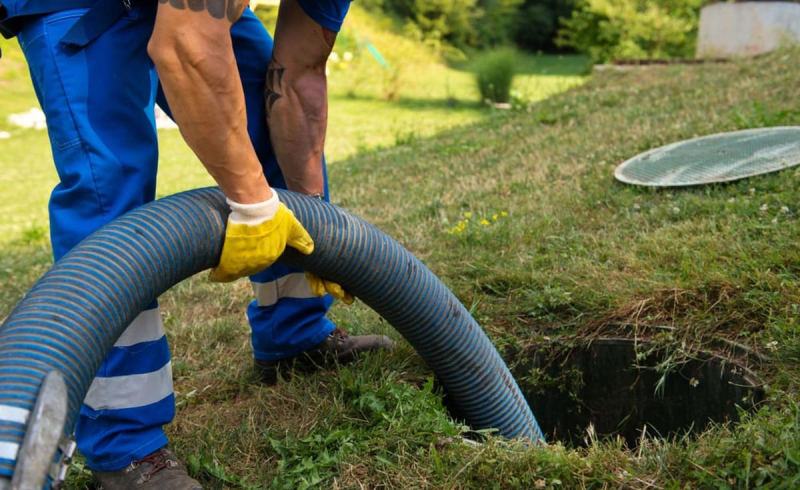
We locate and safely access the septic tank through service lids or access ports.
• Step 2: Initial Assessment
We evaluate current system conditions and identify visible signs of buildup or damage.
• Step 3: Waste Removal
All sludge, scum, and liquid waste are removed using specialized vacuum equipment.
• Step 4: Internal Cleaning
If needed, hardened buildup inside the tank is broken down and flushed to restore proper flow.
• Step 5: Component Inspection
We inspect:
- Inlet and outlet pipes
- Tank walls
- Baffles
- Structural integrity
- Signs of leaks or damage
• Step 6: System Evaluation
We assess overall system performance and identify any concerns that may require future attention.
• Step 7: Site Cleanup
All access points are securely closed, and the area is left clean and safe.
Why Septic System Cleaning Protects Your Drain Field
The drain field is one of the most expensive parts of a septic system to repair or replace.
When the tank is not properly cleaned, solid waste can flow into the drain field and cause serious problems.
Septic system cleaning helps prevent:
- Soil clogging
- Drain field saturation
- Reduced absorption capacity
- System backups
- Permanent drain field failure
Protecting the drain field is one of the most important long-term benefits of regular cleaning.
Residential Septic System Cleaning
For homeowners, septic system cleaning is essential for maintaining a safe and functional wastewater system.
Residential services help:
- Prevent sewage backups
- Maintain proper drainage
- Reduce odors
- Extend system lifespan
- Improve household hygiene
At Plumber On Demand, we provide residential septic system cleaning tailored to your home’s size, usage, and system type.
Commercial Septic System Cleaning
Commercial properties often generate higher wastewater volumes, requiring more frequent maintenance.
Commercial septic system cleaning is commonly required for:
- Restaurants
- Apartment buildings
- Hotels and motels
- Industrial facilities
- Rural businesses
These systems must be cleaned regularly to prevent operational disruptions and health hazards.
Septic systems are built to operate quietly in the background, but when problems develop, they can escalate quickly. Regular septic system cleaning helps prevent most major failures, but when maintenance is delayed, emergency situations can occur that require immediate attention.
This section continues the full SEO service page for Septic System Cleaning by covering emergencies, prevention, environmental impact, system care strategies, and the long-term value of proper maintenance.
Emergency Septic System Cleaning
Septic emergencies are often stressful, messy, and disruptive. They usually happen when the system has exceeded its capacity or when waste flow has been blocked for too long.
Emergency septic system cleaning may be required when:
- Sewage is backing up into toilets or drains
- Multiple plumbing fixtures stop draining at once
- Strong sewage odors spread inside the home
- Wastewater is surfacing in the yard
- Toilets overflow or bubble when flushed
- Drains make loud gurgling sounds
These symptoms typically indicate that the septic tank is overloaded or that internal flow has been severely restricted.
When this happens, delaying service can lead to:
- Property contamination
- Structural water damage
- Soil pollution
- Health hazards
- Costly system repairs
At Plumber On Demand, emergency septic system cleaning is designed to quickly remove buildup, restore system flow, and reduce the risk of further damage. Fast response is critical in preventing wastewater from spreading into living areas or surrounding soil.
If you are experiencing a septic emergency, contact 226-500-7228 immediately for assistance.
• Septic System Maintenance Between Cleanings
While professional cleaning is essential, what happens between service visits plays a major role in system health.
Good septic maintenance habits help extend the time between cleanings and reduce the risk of unexpected issues.
• Reduce Water Overload
Too much water entering the system at once can overwhelm the septic tank and prevent proper waste separation.
Helpful practices include:
- Spacing out laundry loads
- Fixing leaking faucets or toilets quickly
- Avoiding long showers back-to-back
- Using water-efficient appliances when possible
Controlling water usage helps maintain balance inside the system.
• Be Careful What You Flush
The septic system is not designed to handle non-degradable materials.
Avoid flushing:
- Wet wipes (even “flushable” ones)
- Paper towels
- Feminine hygiene products
- Dental floss
- Cat litter
- Cooking grease or oils
These items contribute to buildup and increase the need for frequent septic system cleaning.
• Use Septic-Safe Products
Harsh chemicals can disrupt the natural bacteria inside your septic tank.
Try to avoid:
- Heavy bleach use
- Strong disinfectants in large quantities
- Chemical drain cleaners
Instead, use septic-safe or biodegradable cleaning products to maintain a healthy bacterial balance.
Schedule Routine Inspections
Even if everything seems fine, hidden issues can develop inside the system.
Regular inspections can identify:
- Sludge buildup levels
- Early drain field stress
- Pipe restrictions
- Tank condition issues
Pairing inspections with septic system cleaning ensures long-term system reliability.
Common Septic System Problems
Septic systems are durable, but they are not immune to problems. Most issues develop slowly over time and are often linked to lack of maintenance or delayed cleaning.
• Sludge Overload
When sludge accumulates beyond safe levels, it can block wastewater flow and reduce tank capacity.
This is one of the most common reasons septic system cleaning is required.
• Drain Field Saturation
If untreated waste enters the drain field, soil becomes saturated and loses its ability to absorb liquid properly.
This can lead to long-term or permanent system damage.
• Pipe Blockages
Grease buildup, solids, or foreign objects can block inlet or outlet pipes, preventing normal flow.
• System Odors
Strong sewage smells may indicate excessive buildup, venting issues, or system overload.
• Structural Tank Issues
Older tanks may develop cracks, corrosion, or damaged internal components that affect performance.
Regular septic system cleaning helps reduce the likelihood of these problems escalating.
Environmental Benefits of Septic System Cleaning
Proper septic maintenance is not just important for your property—it also plays a major role in protecting the environment.
When septic systems are neglected:
- Untreated wastewater can seep into soil
- Groundwater may become contaminated
- Nearby wells may be affected
- Local ecosystems may be impacted
Routine septic system cleaning ensures that waste is properly contained and processed within the system, reducing environmental risk.
A well-maintained septic system helps:
- Protect groundwater quality
- Reduce pollution risks
- Support soil health
- Maintain safe water sources
Responsible maintenance benefits both homeowners and the surrounding community.
• Cost Factors for Septic System Cleaning
The cost of septic system cleaning can vary depending on several key factors.
These include:
- Tank size
- Level of buildup
- Accessibility of the tank
- System condition
- Location of the property
- Type of service required (routine vs emergency)
- Additional inspection or repair needs
While cost is always a consideration, delaying service often leads to significantly higher expenses if system damage occurs.
Regular cleaning is typically far more cost-effective than emergency repairs or system replacement.
Septic System Cleaning Myths
There are several misconceptions about septic systems that can lead homeowners to delay necessary maintenance.
• Myth 1: Septic Systems Clean Themselves
While bacteria help break down waste, they cannot remove all solids. Buildup still occurs over time.
• Myth 2: Additives Replace Cleaning
Chemical additives cannot remove sludge or scum buildup. Only physical removal through cleaning can restore capacity.
• Myth 3: No Odor Means No Problem
Septic issues can develop silently without noticeable smells. By the time odors appear, the system may already be under stress.
• Myth 4: Cleaning Is Only Needed When There’s a Backup
Waiting for a backup means the system is already failing. Preventative cleaning is far more effective.
• Inspection vs Septic System Cleaning
Although often performed together, inspection and cleaning serve different purposes.
• Septic System Cleaning
- Removes accumulated sludge and waste
- Restores tank capacity
- Improves system flow
- Prevents backups
• Septic Inspection
- Evaluates system condition
- Identifies structural or mechanical issues
- Checks pipes, baffles, and drain field
- Recommends maintenance or repairs
Together, they provide a complete understanding of system health.
Benefits of Regular Septic System Cleaning
Routine cleaning provides long-term advantages that protect your home, health, and investment.
Key benefits include:
- Preventing sewage backups
- Extending system lifespan
- Improving wastewater flow
- Reducing repair costs
- Protecting drain field health
- Reducing odors
- Maintaining property value
- Improving system efficiency
- Supporting environmental safety
Preventative care is always more affordable than emergency repairs.
Why Choose Plumber On Demand for Septic System Cleaning
Choosing the right service provider is critical for maintaining a healthy septic system. Improper cleaning or incomplete waste removal can leave behind buildup that continues to cause problems.
At Plumber On Demand, we provide thorough, professional septic system cleaning designed to fully restore system performance.
Our approach includes:
- Complete waste removal
- Careful system evaluation
- Identification of hidden issues
- Safe and responsible disposal practices
- Clear communication with homeowners
- Reliable scheduling and emergency response
We understand how disruptive septic problems can be, and we work to restore your system as quickly and effectively as possible.
Frequently Asked Questions About Septic System Cleaning
• How often should septic system cleaning be done?
Most systems should be cleaned every 3–5 years, depending on usage, tank size, and household habits.
• What is the difference between cleaning and pumping?
Cleaning is more thorough and may include sludge breakdown, full waste removal, and internal inspection, while pumping primarily removes liquid and floating solids.
• How do I know if I need septic system cleaning?
Slow drains, odors, backups, and gurgling pipes are common signs that cleaning is needed.
• Can septic system cleaning fix backups?
Yes, if the backup is caused by a full or overloaded tank. However, pipe or drain field damage may require additional repairs.
• Is septic system cleaning messy?
When performed by professionals, the process is controlled, clean, and safely contained.
• What happens if I delay cleaning?
Delaying cleaning can lead to backups, drain field failure, and expensive system damage.
• Does rain affect septic systems?
Heavy rain can temporarily stress the drain field, but internal buildup is the primary reason cleaning is needed.
• Can I clean my septic system myself?
No. Specialized vacuum equipment and proper disposal methods are required.
Schedule Professional Septic System Cleaning Today
A properly maintained septic system is essential for protecting your home, your health, and your property value. Over time, sludge, grease, and waste buildup inside the system can reduce efficiency and lead to serious issues if not addressed through professional septic system cleaning.
Ignoring maintenance can result in sewage backups, drain field damage, foul odors, and expensive repairs. Routine cleaning helps ensure your system continues operating safely and efficiently for years to come.
At Plumber On Demand, we provide reliable septic system cleaning services backed by experience, proper equipment, and a commitment to quality workmanship. Whether you need routine maintenance or emergency service, our team is ready to help.
If it has been several years since your last service—or if you are noticing signs of system trouble—contact Plumber On Demand today at 226-500-7228 to schedule your septic system cleaning appointment
Contact Plumber On Demand