
Septic Maintenance Holland Landing
 (459)
(459)
(459)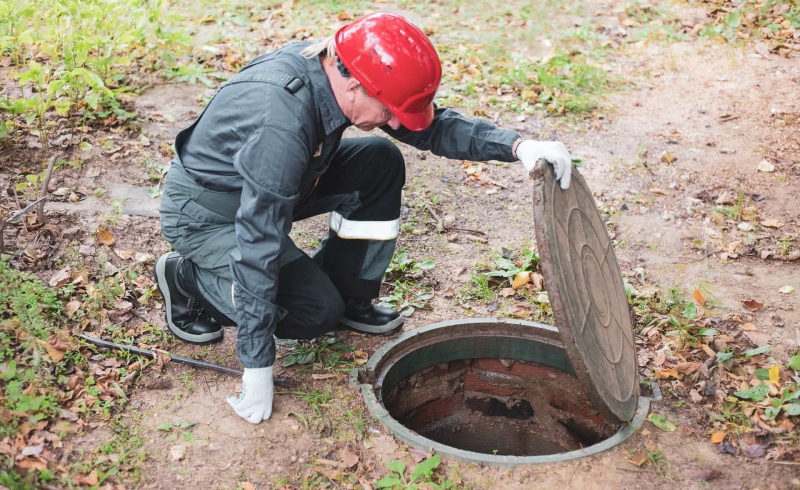
A septic system is one of the most important wastewater systems in any property that is not connected to a municipal sewer network. It quietly manages all household wastewater, including water from toilets, sinks, showers, laundry, and kitchen drains. While it operates out of sight, it requires consistent care to function properly. This ongoing care is known as septic maintenance.
Unlike single services such as pumping or inspection, septic maintenance is a continuous process. It includes daily habits, periodic professional service, system monitoring, and preventative actions that help keep the entire system working efficiently year-round.
Without proper septic maintenance, solid waste builds up, drain fields become overloaded, and systems eventually fail—often leading to expensive repairs or full system replacement.
At Plumber On Demand, we help homeowners protect their systems through professional septic maintenance guidance and services, ensuring long-term performance and reduced risk of failure.
If you need help maintaining your septic system, contact Plumber On Demand at 905-409-0719.
SEPTIC MAINTENANCE | PLUMBER ON DEMAND
Septic maintenance refers to all the actions taken to keep a septic system operating safely, efficiently, and reliably over time.
It includes:
- Monitoring system performance
- Managing household water usage
- Preventing harmful waste from entering the system
- Scheduling pumping and inspections
- Protecting the drain field
- Identifying early warning signs of failure
Unlike reactive repairs, septic maintenance is preventative care. The goal is to stop problems before they happen.
A properly maintained septic system can last decades longer than one that is neglected.
Why Septic Maintenance Is Important
Septic systems are not self-sustaining forever. Even though they rely on natural bacterial processes, they still require ongoing care.
Without proper maintenance:
- Sludge accumulates too quickly
- Drain fields become clogged
- Wastewater backs up into the home
- Foul odors develop
- System efficiency declines
- Expensive repairs become necessary
Septic maintenance protects both the system and the property it serves.
Daily Septic Maintenance Habits
Good septic maintenance starts with everyday household habits. Small actions can significantly impact system health over time.
• Watch What Goes Down the Drain
Only human waste and toilet paper should enter the septic system.
Avoid flushing:
- Wet wipes (even “flushable” ones)
- Paper towels
- Feminine hygiene products
- Grease, fats, and oils
- Coffee grounds
- Harsh chemicals
These materials do not break down properly and contribute to system buildup.
• Reduce Water Usage
Too much water entering the system can overwhelm the tank and drain field.
Helpful habits include:
- Spacing out laundry loads
- Fixing leaks quickly
- Installing water-efficient fixtures
- Avoiding unnecessary water runoff
Balanced water usage is one of the most important parts of septic maintenance.
• Be Careful With Cleaning Products
Strong chemicals can damage beneficial bacteria inside the septic tank.
Try to avoid excessive use of:
- Bleach-heavy cleaners
- Antibacterial soaps
- Chemical drain cleaners
Use septic-safe products whenever possible.
Weekly and Monthly Septic Maintenance
Beyond daily habits, there are ongoing tasks homeowners should keep in mind.
• Monitor Drain Performance
Pay attention to how quickly sinks, tubs, and toilets drain. Slow drainage can indicate early system strain.
• Watch for Odors
Unusual smells around the yard or inside the home may indicate developing septic issues.
• Check for Wet Spots
Soft or soggy ground near the drain field may signal system overload.
• Inspect Water Usage Patterns
Sudden increases in water bills can indicate leaks that may overload the septic system.
• Professional Septic Maintenance Services
While homeowners handle daily habits, professional services are essential for long-term system health.
Professional septic maintenance typically includes:
- Routine system inspections
- Scheduled septic pumping
- Septic tank cleaning when needed
- Drain field evaluation
- System performance testing
- Early problem detection
At Plumber On Demand, we help ensure your septic system stays in proper working condition through expert maintenance services.
• Septic Maintenance Schedule
A proper maintenance schedule depends on system size, household usage, and tank capacity.
General guidelines include:
- Inspection every 1–3 years
- Pumping every 3–5 years
- Cleaning as needed based on buildup
- Drain field monitoring annually
High-usage systems may require more frequent service.
Septic systems are long-term infrastructure assets, but they only perform well when they are actively maintained. While daily habits help reduce stress on the system, long-term performance depends on understanding how to protect critical components like the tank and drain field, how to avoid common mistakes, and how to respond early when warning signs appear.
This section continues the full SEO guide for Septic Maintenance, focusing on system protection strategies, seasonal care, common errors, environmental impact, cost savings, and long-term planning.
Drain Field Protection and Long-Term Care
The drain field is one of the most sensitive and expensive parts of a septic system. Once it becomes damaged or clogged, restoration is difficult and often costly. Proper septic maintenance is essential to keep the drain field functioning properly.
• Avoid Overloading the Drain Field
The drain field is designed to slowly absorb treated wastewater. When too much water enters the system too quickly, the soil becomes saturated and loses its ability to filter effectively.
To prevent overload:
- Spread laundry and water-heavy activities throughout the week
- Fix leaking fixtures immediately
- Avoid long showers back-to-back
- Reduce unnecessary water use during heavy rain periods
• Keep Heavy Objects Off the Drain Field
Physical pressure can permanently damage soil structure.
Avoid:
- Parking vehicles
- Building sheds or structures
- Storing heavy equipment
Compacted soil reduces absorption and shortens system lifespan.
• Redirect Surface Water Away
Roof runoff, sump pumps, and landscaping drainage should be directed away from the drain field to prevent oversaturation.
• Monitor Vegetation Changes
Unusual grass growth can be an early warning sign:
- Extremely green grass may indicate excess wastewater near the surface
- Bare patches may indicate soil saturation or system failure
• Seasonal Septic Maintenance
Septic systems are affected by seasonal weather changes. Adjusting maintenance practices throughout the year helps maintain stable performance.
• Spring Maintenance
Spring is often when systems recover from winter stress and excess moisture.
Recommended actions:
- Inspect for standing water around the drain field
- Check for slow drainage after snowmelt
- Reduce water usage if soil is saturated
- Schedule professional inspection if needed
• Summer Maintenance
Increased household water usage during summer can strain the system.
Focus on:
- Managing high water activity (laundry, guests, outdoor use)
- Monitoring odors during hot weather
- Ensuring proper ventilation of the system
• Fall Maintenance
Fall is one of the most important seasons for septic maintenance preparation.
Recommended steps:
- Schedule pumping or inspection before winter
- Clear leaves and debris from drain field areas
- Reduce system load before cold weather arrives
• Winter Maintenance
Frozen ground can make septic systems more vulnerable.
Important precautions:
- Avoid driving over drain field areas
- Maintain consistent water usage to prevent freezing
- Ensure system components are insulated by natural soil cover
Common Septic Maintenance Mistakes
Even well-intentioned homeowners often make mistakes that reduce system lifespan.
• Using Too Many Chemicals
Excessive use of bleach and disinfectants can kill beneficial bacteria needed for waste breakdown.
• Ignoring Slow Drains
Slow drainage is often the first sign of system stress. Ignoring it allows problems to escalate.
• Flushing Non-Biodegradable Items
Items like wipes, hygiene products, and paper towels can cause major blockages.
• Skipping Regular Service
Delaying pumping or inspection leads to sludge buildup and drain field stress.
• Overusing Water
Excess water is one of the most common causes of septic system overload.
• Early Warning Signs of Septic System Problems
Septic maintenance is most effective when problems are caught early.
Watch for:
- Slow drains throughout the home
- Gurgling plumbing sounds
- Sewage odors indoors or outdoors
- Wet or soggy areas in the yard
- Toilets flushing poorly or inconsistently
- Sudden spikes in water usage or bills
These signs often indicate that the system is under stress and needs attention.
Environmental Impact of Septic Maintenance
Proper septic maintenance protects more than just your property—it also helps protect the environment.
When septic systems are neglected:
- Wastewater can leak into soil
- Groundwater contamination may occur
- Nearby wells may become unsafe
- Local ecosystems can be affected
Consistent septic maintenance helps ensure wastewater is properly contained and treated within the system.
This protects:
- Drinking water supplies
- Soil quality
- Local vegetation
- Nearby waterways
Responsible maintenance supports environmental safety at a community level.
• Cost Benefits of Septic Maintenance
One of the biggest advantages of regular maintenance is cost savings over time.
• Lower Repair Costs
Small issues caught early are significantly cheaper to fix than major system failures.
• Extended System Lifespan
Proper maintenance can extend the life of a septic system by many years.
• Reduced Emergency Expenses
Emergency repairs and replacements are far more expensive than routine maintenance.
• Improved Efficiency
A well-maintained system operates more efficiently, reducing strain and long-term wear.
• Septic Maintenance vs Repair vs Replacement
Understanding the difference between maintenance, repair, and replacement helps homeowners make better decisions.
• Maintenance
- Preventative care
- Routine habits and services
- Keeps system functioning properly
• Repair
- Fixes specific issues
- Addresses damaged components
- Required when problems already exist
• Replacement
- Full system rebuild
- Required when system failure is severe
- Most expensive option
Regular septic maintenance helps avoid reaching the repair or replacement stage too early.
Why Septic Maintenance Matters for Homeowners
Septic systems are hidden underground, which makes them easy to forget—but failure is rarely gradual once it becomes severe.
Proper maintenance helps homeowners:
- Avoid unexpected system failures
- Reduce long-term repair costs
- Maintain property value
- Protect household health
- Prevent environmental contamination
- Improve system reliability
A well-maintained septic system is far less likely to cause emergencies or disruptions.
Why Choose Plumber On Demand for Septic Maintenance
At Plumber On Demand, we understand that septic systems require consistent care, not just occasional repairs.
Our septic maintenance support includes:
- System evaluation and monitoring
- Pumping and cleaning recommendations
- Drain field protection guidance
- Early issue detection
- Professional service scheduling
- Emergency support when needed
We focus on helping homeowners prevent problems before they become costly emergencies.
Frequently Asked Questions About Septic Maintenance
• How often should septic maintenance be done?
Basic maintenance should be ongoing, with professional service every 1–3 years depending on system usage.
• What is the most important part of septic maintenance?
Controlling water usage and preventing solids from entering the system are the most critical factors.
• Can septic maintenance prevent backups?
Yes. Proper maintenance significantly reduces the risk of system backups.
• What happens if septic maintenance is ignored?
The system may fail, leading to backups, drain field damage, and expensive repairs.
• Is septic maintenance expensive?
No. It is far less expensive than repairing or replacing a failed system.
• Can heavy rain affect septic maintenance?
Yes. Saturated soil can reduce system efficiency and increase stress on the drain field.
• Do septic additives replace maintenance?
No. Additives cannot replace physical pumping, inspection, or proper care.
• How do I know if my septic system is healthy?
Regular inspections and monitoring drain performance are the best indicators.
Schedule Professional Septic Maintenance Today
A septic system is one of the most important yet overlooked systems in any property. While it operates quietly underground, it requires consistent care to function properly. Without proper septic maintenance, small issues can quickly turn into major system failures.
At Plumber On Demand, we provide expert septic maintenance services designed to help homeowners protect their systems, reduce repair costs, and extend system lifespan. Whether you need guidance, inspection, or professional service, our team is ready to help.
If you want to protect your septic system and avoid costly repairs, contact Plumber On Demand today at 905-409-0719 to schedule your septic maintenance service.
Contact Plumber On Demand