
Septic Inspection Schomberg
 (459)
(459)
(459)
A septic system is one of the most important hidden systems on any residential or commercial property. While it operates out of sight, it plays a critical role in managing wastewater safely and efficiently. Over time, even well-built septic systems can develop issues that are not immediately visible from the surface. That is why a professional septic inspection is essential for protecting both your property and your health.
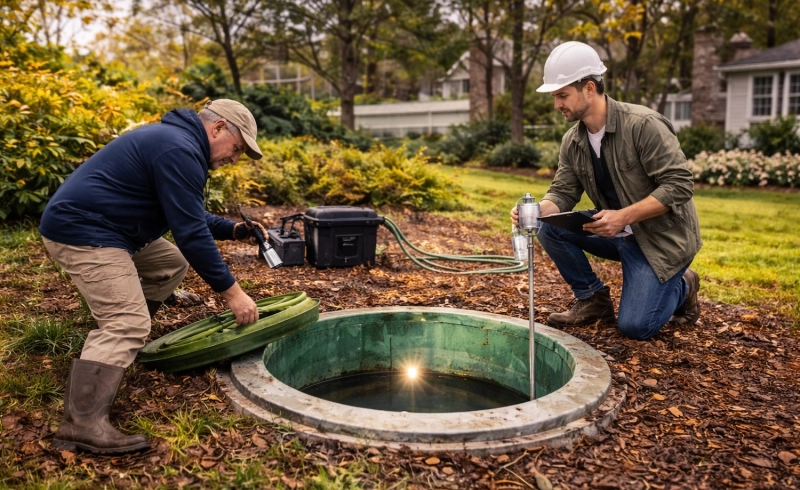
A septic inspection is a detailed evaluation of your entire septic system, including the tank, pipes, and drain field. Unlike septic tank pumping or cleaning, which focus on removing waste, an inspection is about diagnosing system health, identifying early problems, and preventing costly failures before they happen.
At Plumber On Demand, we provide thorough septic inspection services designed to give homeowners and property buyers a clear understanding of their system’s condition. Whether you are maintaining your current home or purchasing a new property, a septic inspection helps you avoid unexpected repair costs and system failures.
If you need a professional septic inspection, contact Plumber On Demand at 905-409-0719 for fast, reliable service.
SEPTIC INSPECTION | PLUMBER ON DEMAND
A septic inspection is a structured assessment of all components of a septic system to determine whether it is functioning properly and safely.
During an inspection, a technician evaluates:
- Septic tank condition
- Sludge and scum levels
- Inlet and outlet pipes
- Baffles and internal structures
- Drain field performance
- Signs of leaks or backups
- Evidence of system overload
- Ground surface conditions
The goal is not to clean or repair the system, but to identify existing issues and predict potential future problems.
A septic inspection acts like a “health checkup” for your wastewater system.
How a Septic System Works (Inspection Perspective)
To understand septic inspection, it helps to look at how the system functions under normal conditions.
A septic system typically includes:
- A septic tank
- A distribution pipe system
- A drain field (leach field)
Wastewater flows from the home into the tank, where it separates into layers:
- Scum (top): oils and floating materials
- Liquid (middle): partially treated wastewater
- Sludge (bottom): heavy solids
A properly functioning system allows liquid to flow into the drain field while keeping solids contained in the tank.
During a septic inspection, technicians evaluate whether this separation process is working correctly or showing signs of failure.
Why Septic Inspections Are Important
Many septic system failures develop slowly over time. Without regular inspection, problems often go unnoticed until they become expensive emergencies.
A septic inspection helps:
- Detect early system failure
- Prevent sewage backups
- Identify drain field issues
- Evaluate tank integrity
- Reduce repair costs
- Extend system lifespan
- Improve property safety
Septic systems are expensive to replace. Inspections are a preventative tool that helps avoid major financial losses.
Types of Septic Inspections
There are several types of septic inspections depending on the purpose and condition of the system.
• Routine Maintenance Inspection
This is a general health check performed periodically to ensure the system is operating properly.
It focuses on:
- Tank levels
- Drain field condition
- System performance
- Early warning signs
• Real Estate Septic Inspection
Performed when buying or selling a property, this inspection evaluates whether the septic system is in good working condition before a transaction is completed.
• Comprehensive System Inspection
A full inspection that may include tank opening, flow testing, and deeper diagnostic evaluation.
Emergency Septic Inspection
Performed when there are signs of system failure such as backups, odors, or drainage issues.
Signs You Need a Septic Inspection
A septic inspection is recommended when warning signs begin to appear.
• Slow Drains
If multiple drains in the home are slow, it may indicate a developing septic issue.
• Sewage Odors
Strong odors inside or outside the property can signal system imbalance or leakage.
• Gurgling Pipes
Air trapped in plumbing lines often indicates restricted flow or tank overload.
• Wet Areas in Yard
Soggy ground near the drain field may indicate wastewater surfacing.
• Frequent Backups
Repeated backups are a strong indicator of system failure or blockage.
• Buying or Selling a Home
A septic inspection is essential before real estate transactions to avoid hidden repair costs.
What Happens During a Septic Inspection?
A professional septic inspection follows a structured process.
At Plumber On Demand, our inspection process includes:
• Step 1: System Location
We identify and access the septic tank and drain field components.
• Step 2: Visual Assessment
We check surface conditions, access points, and visible warning signs.
• Step 3: Tank Evaluation
We assess:
- Sludge levels
- Scum thickness
- Structural condition
- Baffle integrity
• Step 4: Flow Testing
We evaluate how wastewater moves through the system.
• Step 5: Drain Field Assessment
We check for:
- Saturation
- Pooling water
- Soil absorption issues
• Step 6: System Diagnosis
We determine whether the system is:
- Healthy
- At risk
- Failing
- In need of immediate service
• Step 7: Reporting
We provide findings and recommendations for maintenance or repair.
• Septic Inspection for Home Buyers
One of the most important uses of septic inspection is real estate transactions.
A septic system failure after purchase can cost thousands of dollars to repair.
A pre-purchase inspection helps identify:
- Hidden system damage
- Drain field failure risks
- Tank condition issues
- Maintenance history concerns
It ensures buyers know exactly what condition the system is in before committing.
A septic inspection does more than confirm whether a system is working in the moment. It reveals how close the system is to failure, what conditions are developing underground, and what maintenance is needed to avoid expensive repairs. Most septic problems start quietly, long before any visible symptoms appear, which is why inspections are one of the most valuable services for property owners.
This section continues the full SEO guide for Septic Inspection, covering system comparisons, common defects, drain field issues, environmental concerns, costs, maintenance planning, and long-term system protection.
• Septic Inspection vs Septic Pumping vs Septic Cleaning
Many homeowners confuse these three services, but they serve very different purposes. Understanding the difference helps you make better maintenance decisions.
• Septic Inspection
A septic inspection is a diagnostic service.
It focuses on:
- System condition
- Structural integrity
- Drain field performance
- Warning signs of failure
- Flow and function analysis
An inspection does not primarily remove waste, although minor access or testing may occur.
• Septic Pumping
Septic pumping is a maintenance service.
It focuses on:
- Removing liquid waste
- Removing floating solids
- Restoring tank capacity
- Preventing overflow
Pumping does not evaluate system health in detail.
• Septic Cleaning
Septic cleaning is a deep maintenance service.
It includes:
- Full waste removal
- Sludge breakdown
- Internal tank restoration
- More thorough buildup removal
Cleaning goes further than pumping but still does not replace a full diagnostic inspection.
Why Inspections Are Unique
A septic inspection answers questions like:
- Is the system healthy or failing?
- Is the drain field absorbing properly?
- Are there hidden structural problems?
- How long will the system last?
Without inspection, homeowners often discover problems only after failure has already occurred.
• Common Problems Found During Septic Inspections
Septic inspections frequently reveal early warning signs that are not obvious to homeowners.
• Excess Sludge Levels
One of the most common findings is excessive sludge buildup inside the tank.
This reduces capacity and increases the risk of solids entering the drain field.
• Drain Field Saturation
A failing drain field may show:
- Standing water
- Soft or spongy ground
- Unusual vegetation growth
- Slow wastewater absorption
Once a drain field begins failing, repairs can be expensive and complex.
• Pipe Blockages or Restrictions
Inspections often uncover partial blockages in inlet or outlet pipes caused by:
- Grease buildup
- Solid waste accumulation
- Root intrusion
- Debris obstruction
• Structural Tank Damage
Older septic tanks may show:
- Cracks in walls
- Corrosion
- Damaged baffles
- Leaks or seepage
Structural issues require immediate attention.
• Poor System Design or Installation Issues
Some systems fail prematurely due to:
- Incorrect sizing
- Improper slope
- Poor drain field placement
- Outdated installation methods
• Drain Field Failure Causes
The drain field is one of the most important and expensive parts of the septic system. Once it fails, full replacement may be required.
Common causes include:
• Excess Solid Waste Entry
When sludge escapes the tank, it clogs soil pores and reduces absorption capacity.
• Overwatering the System
Excess water from showers, laundry, or leaks can overload the drain field.
• Soil Compaction
Heavy vehicles or construction over the drain field can permanently damage soil structure.
• Natural Soil Saturation
In areas with high groundwater or poor drainage, the system may struggle to function properly.
Septic inspections help detect early drain field stress before total failure occurs.
Environmental Impact of Septic Systems
Septic systems play a major role in protecting or harming the environment depending on how well they are maintained.
When systems are not inspected regularly:
- Untreated wastewater may leak into soil
- Groundwater contamination can occur
- Nearby wells may become unsafe
- Local ecosystems can be affected
Routine septic inspection helps ensure wastewater is properly contained and treated within the system.
This protects:
- Drinking water sources
- Soil health
- Nearby vegetation
- Natural water systems
Proper inspection is an environmental safeguard, not just a maintenance task.
• Cost Factors for Septic Inspection
The cost of a septic inspection can vary depending on several factors:
- Type of inspection required
- Size of the system
- Accessibility of the tank and drain field
- Property location
- System complexity
- Whether emergency inspection is needed
- Additional testing or reporting requirements
While inspections have a cost, they are significantly less expensive than system repairs or full replacement.
A single inspection can prevent thousands of dollars in future damage.
How Often Should You Get a Septic Inspection?
The frequency of septic inspections depends on system usage and condition.
General recommendations include:
- Every 1–3 years for most residential systems
- Before buying or selling a property
- After system repairs or installation
- When warning signs appear
- After flooding or ground changes
Regular inspections help identify issues early and keep systems operating efficiently.
Maintenance Recommendations Based on Inspection Results
A septic inspection does not just identify problems—it helps guide maintenance decisions.
Depending on findings, recommendations may include:
Schedule Septic Pumping
If sludge levels are high, pumping may be required to restore capacity.
• Perform Septic Cleaning
If heavy buildup is present, deep cleaning may be recommended.
• Repair or Replace Components
Damaged pipes, baffles, or tanks may require repair or replacement.
• Improve Water Usage Habits
Reducing water load can help extend system life.
• Protect Drain Field Area
Avoiding heavy loads or excess water near the drain field helps prevent failure.
Why Septic Inspections Matter for Homeowners
Septic systems are out of sight, which makes them easy to forget—but failures are not forgiving.
A professional inspection helps homeowners:
- Avoid unexpected repair costs
- Maintain property value
- Prevent sewage emergencies
- Extend system lifespan
- Improve system efficiency
- Protect health and safety
Without inspections, small issues often turn into expensive emergencies.
Why Choose Plumber On Demand for Septic Inspection
Choosing the right professional for septic inspection matters. A rushed or incomplete inspection can miss early warning signs that later become major problems.
At Plumber On Demand, we provide detailed septic inspection services focused on accuracy, clarity, and prevention.
Our approach includes:
- Thorough system evaluation
- Drain field and tank assessment
- Clear reporting of findings
- Honest maintenance recommendations
- Emergency availability when needed
- Professional and reliable service
We focus on helping homeowners understand exactly what is happening with their system—not just checking a box.
Frequently Asked Questions About Septic Inspection
• How long does a septic inspection take?
Most residential inspections take a few hours depending on system size and accessibility.
• Is septic inspection necessary if everything seems fine?
Yes. Many septic problems develop underground without visible symptoms.
• Can a septic inspection prevent system failure?
Yes. Early detection allows issues to be addressed before failure occurs.
• Do inspectors open the septic tank?
In many cases, yes, especially during detailed inspections.
• Is septic inspection required when buying a home?
It is strongly recommended to avoid unexpected repair costs.
• What happens if problems are found?
The technician provides recommendations such as pumping, cleaning, or repair.
• How often should inspections be done?
Typically every 1–3 years depending on usage and system condition.
• Can heavy rain affect inspection results?
Yes, saturated soil can temporarily affect drain field readings.
Schedule Your Professional Septic Inspection Today
A septic system is one of the most important hidden systems on your property, and its condition is not always visible from the surface. Over time, even well-maintained systems can develop issues that require professional evaluation. A thorough septic inspection provides the insight needed to detect early warning signs, prevent costly failures, and extend system life.
At Plumber On Demand, we provide detailed septic inspections designed to give you a clear understanding of your system’s health. Whether you are maintaining your current property or purchasing a new one, our inspections help you make informed decisions and avoid unexpected expenses.
If you suspect an issue or simply want peace of mind, contact Plumber On Demand today at 905-409-0719 to schedule your septic inspection.
Contact Plumber On Demand