
Septic Emergency Service Binbrook
 (459)
(459)
(459)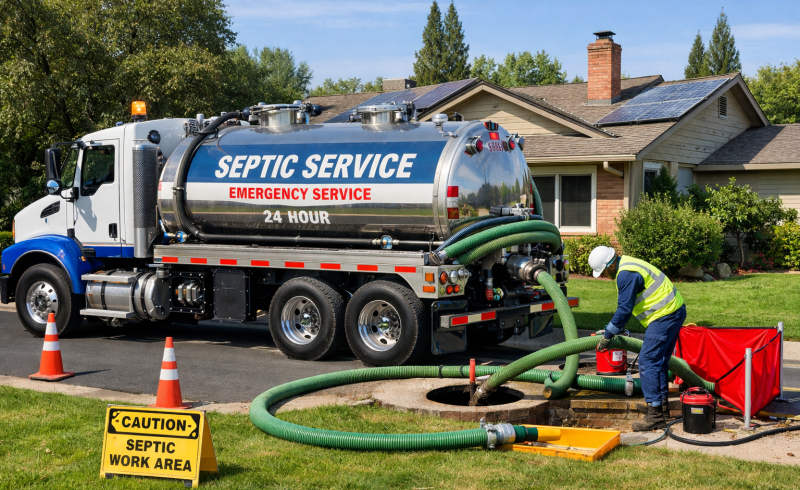
A septic system failure does not wait for a convenient time. It can happen late at night, during heavy rain, on weekends, or right when a home is under heavy water usage. When wastewater stops flowing correctly or begins backing up into the property, the situation becomes urgent. That is where Septic Emergency Service becomes essential.
Unlike routine maintenance or scheduled pumping, septic emergencies involve immediate system failure or near-failure conditions that can quickly lead to sewage backups, property damage, and environmental contamination. A delayed response can turn a manageable issue into a full system replacement.
At Plumber On Demand, we provide fast, professional Septic Emergency Service designed to stabilize failing systems, restore safe wastewater flow, and prevent damage to your home and property.
If you are experiencing a septic emergency, contact Plumber On Demand at 289-501-6316 for immediate response.
SEPTIC EMERGENCY SERVICE | PLUMBER ON DEMAND
Septic Emergency Service refers to urgent, on-demand repair and stabilization services for septic systems that are failing or have already failed.
It is used when a septic system is:
- Backing up into the home
- Overflowing or surfacing in the yard
- Producing strong sewage odors
- Experiencing complete or partial system shutdown
- Showing signs of drain field failure
- Unable to process wastewater properly
The goal of emergency service is not just repair—it is immediate containment and system stabilization to prevent further damage.
What Causes a Septic Emergency?
Septic emergencies usually develop when one or more system components fail under stress.
• Full System Backup
When wastewater cannot move through the system, it reverses direction and enters the home.
• Drain Field Failure
A saturated or clogged drain field can no longer absorb wastewater, causing overflow.
• Tank Overload
Excess sludge or hydraulic pressure can prevent proper tank function.
• Pipe Blockage or Collapse
Blocked or broken pipes disrupt the flow between system components.
• Heavy Rain or Flooding
Saturated soil conditions can overwhelm septic absorption capacity.
• Electrical or Pump Failure (if applicable)
Systems with pumps may fail due to motor or electrical issues, stopping wastewater movement entirely.
Signs You Need Septic Emergency Service
Recognizing early warning signs can prevent full system failure.
• Sewage Backing Up Indoors
Wastewater appearing in toilets, tubs, or sinks is a major emergency indicator.
• Multiple Drains Failing at Once
If all drains are slow or blocked, the issue is likely system-wide.
• Standing Water in Yard
Pooling water near the drain field indicates system overload or failure.
• Strong Sewage Odors
Persistent odors inside or outside the home suggest system breakdown.
• Gurgling Plumbing Sounds
Air trapped in pipes often signals pressure or blockage issues.
If any of these symptoms appear, immediate Septic Emergency Service is required.
When a septic system reaches the point of emergency failure, the priority shifts from routine troubleshooting to immediate stabilization. A septic emergency is not just a plumbing inconvenience—it is a system-wide failure that can affect wastewater flow, indoor sanitation, and environmental safety all at once. Proper Septic Emergency Service focuses on fast response, controlled containment, and restoring at least partial system function to prevent escalating damage.
This section continues the full SEO guide for Septic Emergency Service, covering emergency response procedures, temporary containment, repair strategies, cost factors, safety risks, prevention methods, insurance considerations, and long-term system recovery.
Emergency Septic Response Process
When a septic emergency call is received, the goal is to respond quickly and reduce immediate risk to the property.
• Step 1: Rapid System Assessment
Technicians quickly evaluate the system to identify whether the failure is related to:
- Tank overload or backup
- Drain field saturation
- Pipe blockage or collapse
- Pump or mechanical failure
- System-wide hydraulic imbalance
• Step 2: Immediate Risk Control
Before repairs begin, the priority is to stop further damage.
This may include:
- Limiting water use in the home
- Diverting wastewater flow where possible
- Shutting down affected system components
- Preventing additional sewage entry into living areas
• Step 3: Containment Measures
If sewage has already entered the property, containment is established to prevent spread.
This can involve:
- Isolating affected areas
- Preventing cross-contamination
- Protecting unaffected plumbing zones
• Step 4: Emergency System Stabilization
Temporary fixes may be used to restore partial function, such as:
- Clearing immediate blockages
- Restoring limited flow through the tank
- Relieving pressure in overloaded lines
- Temporarily bypassing failed components (when safe and permitted)
• Step 5: Full Diagnostic Evaluation
Once the system is stabilized, a deeper inspection determines the root cause of failure and long-term repair needs.
• Temporary Solutions During a Septic Emergency
In some cases, full repair cannot be completed immediately. Temporary stabilization is used to reduce damage risk.
• Reduced Water Usage Strategy
Homeowners may be instructed to avoid:
- Laundry
- Showers
- Dishwashing
- Multiple flushes
This reduces system pressure.
• Controlled Wastewater Diversion
Where possible, flow may be redirected away from failing components.
Emergency Pumping or Extraction
If tanks are overloaded, emergency pumping may relieve pressure and restore partial function.
• System Isolation
Certain system zones may be temporarily isolated to prevent further contamination.
• Repair vs Stabilization in Emergency Situations
Not all septic emergencies can be fully repaired immediately. A distinction is made between stabilization and full repair.
Emergency Stabilization
Used when:
- Immediate hazards exist
- Full excavation is not possible
- Weather or conditions prevent full repair
- Temporary relief is needed
Goal: Stop worsening damage.
• Full Septic Repair
Performed after stabilization when:
- Root cause is identified
- Conditions allow excavation or system work
- Parts or materials are available
- Long-term solution can be implemented
Goal: Restore permanent system function.
• Cost Factors for Septic Emergency Service
Emergency service costs are typically higher than scheduled maintenance due to urgency and system risk.
Key factors include:
- Severity of system failure
- Time of service (after-hours, weekend, holiday)
- Equipment required for stabilization
- Excavation or pumping needs
- Extent of contamination or backup
- Repair vs temporary stabilization only
- Accessibility of septic components
While emergency service can be costly, delaying response often leads to significantly higher repair or replacement expenses.
• Health and Safety Risks
A septic emergency is considered a biohazard situation because it involves exposure to untreated wastewater.
Risks include:
- Bacterial and viral infection exposure
- Airborne contamination from sewage gases
- Slip hazards from wastewater spills
- Electrical hazards in flooded areas
- Mold development after moisture exposure
Proper protective handling and professional cleanup procedures are essential.
• Common Homeowner Mistakes During Septic Emergencies
During a septic emergency, incorrect actions can make the situation worse.
• Continuing Normal Water Use
This increases system overload and accelerates failure.
• Attempting DIY Excavation or Repairs
Septic systems require specialized tools and safety procedures.
• Ignoring Early Warning Signs
Many emergencies begin as slow drains or minor backups.
• Using Chemical Drain Cleaners
These do not resolve system failures and may damage beneficial bacteria.
• Delaying Professional Service
Time delays often turn repairable systems into full replacement cases.
• How to Prevent Septic Emergencies
While not all emergencies are avoidable, many can be prevented with proper care.
• Routine Septic Maintenance
Regular inspections and pumping reduce system stress.
• Water Usage Management
Avoid overwhelming the system with heavy simultaneous water use.
Drain Field Protection
Keep heavy objects, vehicles, and trees away from the drain field area.
• Early Warning Monitoring
Address slow drains, odors, and gurgling sounds immediately.
• Proper Waste Disposal
Only biodegradable waste should enter the septic system.
Environmental Impact of Septic Emergencies
When septic systems fail, untreated wastewater can enter soil and surrounding environments.
Potential impacts include:
- Groundwater contamination
- Soil pollution
- Surface water contamination
- Harm to nearby wells
- Ecosystem disruption
Proper Septic Emergency Service helps contain wastewater and reduce environmental damage.
• Insurance Considerations
Some septic emergencies may be partially covered depending on policy terms.
Coverage may include:
- Emergency cleanup
- Damage restoration
- Structural repairs caused by backup
However, coverage varies widely depending on the cause of failure and policy structure.
Why Septic Emergency Service Matters
A septic emergency is not just a plumbing issue—it is a system failure that affects sanitation, safety, and property integrity.
Fast response helps:
- Prevent sewage damage inside the home
- Reduce long-term repair costs
- Protect health and safety
- Limit environmental contamination
- Restore partial system function quickly
Immediate action is critical to minimizing damage.
Why Choose Plumber On Demand for Septic Emergency Service
At Plumber On Demand, we provide rapid-response Septic Emergency Service designed to stabilize failing systems and restore safe conditions as quickly as possible.
Our emergency services include:
- Fast system diagnostics
- Emergency pumping and relief
- Blockage removal and flow restoration
- Drain field and tank stabilization
- Containment and risk reduction
- Long-term repair recommendations
We focus on stopping the emergency first, then restoring the system properly.
Frequently Asked Questions About Septic Emergency Service
• What is septic emergency service?
It is urgent repair and stabilization for failing septic systems.
• Is a septic backup an emergency?
Yes, especially if sewage enters the home or multiple drains fail.
• How fast should I respond to a septic emergency?
Immediately—delays increase damage and health risks.
• Can I use plumbing during a septic emergency?
No, it can worsen system overload and backups.
• What causes septic emergencies?
Common causes include drain field failure, blockages, and system overload.
• Is emergency septic service expensive?
It can be, but it often prevents more costly repairs later.
• Can septic emergencies be fixed quickly?
Some can be stabilized quickly, but full repair may take longer.
• Does rain cause septic emergencies?
Heavy rain can contribute to system overload and failure.
Schedule Septic Emergency Service Now
A septic emergency is one of the most urgent and disruptive plumbing situations a property can face. When wastewater stops flowing correctly or begins backing up into the home, immediate Septic Emergency Service is essential to prevent property damage, health risks, and system collapse.
At Plumber On Demand, we provide fast, reliable emergency septic response services designed to stabilize your system, control contamination, and restore safe wastewater flow as quickly as possible.
If you are experiencing a septic emergency, contact Plumber On Demand today at 289-501-6316 for immediate assistance.
Contact Plumber On Demand