
Grease Trap Cleaning Kitchener Area
 (459)
(459)
(459)
A grease trap is one of the most important but often overlooked components in commercial and some residential plumbing systems. Its job is simple in theory but critical in practice: it captures fats, oils, and grease (commonly known as FOG) before they enter the main sewer or septic system. Without proper maintenance, these substances harden, build up, and eventually cause severe blockages.
Grease trap cleaning is the process of removing accumulated grease, food solids, sludge, and wastewater buildup from the trap to restore proper flow and prevent system failure. When neglected, grease traps can overflow, emit strong odors, and cause costly plumbing backups that disrupt business operations and damage infrastructure.
At Plumber On Demand, we provide professional grease trap cleaning services designed to keep plumbing systems flowing efficiently, reduce emergency repairs, and maintain compliance with local health and environmental standards.
If you need grease trap cleaning, contact Plumber On Demand at 226-500-7228 for fast and reliable service.
GREASE TRAP CLEANING | PLUMBER ON DEMAND
A grease trap (also called a grease interceptor) is a plumbing device installed between kitchen drains and the main sewer line. Its purpose is to separate grease and solids from wastewater before it enters the drainage system.
It works by slowing down wastewater flow, allowing:
- Grease and oils to float to the top
- Heavy food solids to sink to the bottom
- Relatively clean water to exit through the outlet
Over time, both the grease layer and solid sludge layer accumulate and must be removed through routine grease trap cleaning.
Why Grease Trap Cleaning Is Necessary
Grease traps are not self-cleaning systems. Without regular maintenance, they quickly become inefficient and eventually fail.
Common consequences of neglect include:
- Sewer line blockages
- Kitchen drain backups
- Overflowing grease traps
- Strong foul odors
- Health code violations
- Pest infestations
Routine cleaning ensures the system continues to function as designed and prevents expensive plumbing emergencies.
How Often Should Grease Traps Be Cleaned?
Cleaning frequency depends on system size, usage, and business type.
General guidelines include:
- High-volume commercial kitchens: every 1–4 weeks
- Restaurants and cafes: monthly
- Low-volume food prep areas: every 1–3 months
- Residential grease traps (if installed): every 3–6 months
Heavy cooking environments require more frequent service due to higher grease output.
When a grease trap reaches capacity, it stops functioning as a separation system and begins acting like a blockage point in the plumbing line. Instead of capturing fats, oils, and grease (FOG), it allows them to overflow into downstream pipes. This is where commercial plumbing problems escalate quickly—slow drains become backups, odors spread through kitchen areas, and in severe cases, full sewer line blockages occur.
This section continues the full SEO guide for Grease Trap Cleaning, covering the cleaning process, failure signs, health risks, cost factors, compliance requirements, maintenance mistakes, prevention strategies, and long-term system performance.
Step-by-Step Grease Trap Cleaning Process
Professional grease trap cleaning follows a controlled, sanitary process designed to safely remove waste and restore proper system function.
• Step 1: System Inspection
Technicians begin by evaluating:
- Grease thickness level
- Sludge accumulation at the bottom
- Inlet and outlet flow condition
- Signs of overflow or blockage
- Structural condition of the trap
• Step 2: Waste Removal
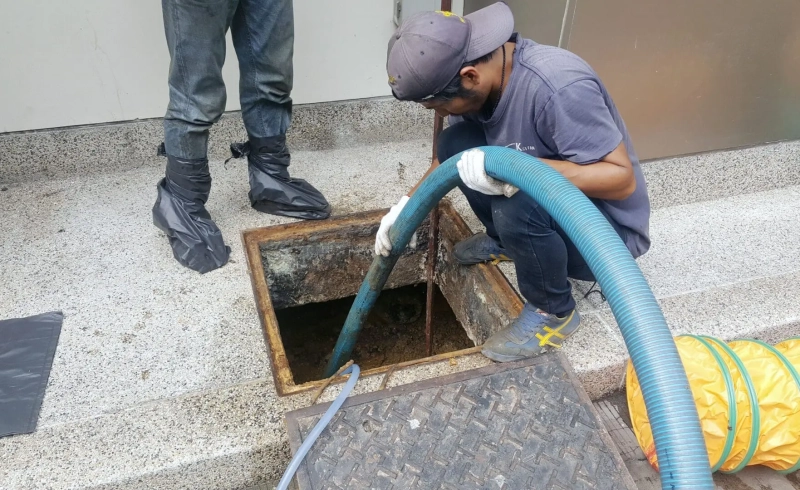
The grease trap is emptied using specialized vacuum equipment that removes:
- Grease layer (FOG buildup)
- Food solids
- Wastewater and sludge
This prevents contamination from entering the plumbing system during cleaning.
• Step 3: Internal Scraping and Cleaning
Once emptied, the interior walls are scraped and cleaned to remove hardened grease deposits that stick to surfaces.
• Step 4: Inlet and Outlet Clearing
The inlet and outlet pipes are checked and cleared to ensure:
- Proper flow into the trap
- Unrestricted flow out of the trap
- No residual blockages remain
• Step 5: System Reassembly and Testing
After cleaning, the trap is refilled with clean water and tested to confirm:
- Proper flow rate
- Correct separation function
- No leaks or backflow
Signs Your Grease Trap Needs Cleaning
Grease traps rarely fail suddenly—they show warning signs before complete blockage occurs.
• Slow Kitchen Drains
Water draining slowly from sinks is often the first indicator of grease buildup.
• Foul Odors
Strong smells coming from drains or kitchen areas indicate decomposing grease and food waste.
• Grease Overflow
Visible grease or wastewater around the trap area signals severe buildup.
• Gurgling Sounds
Air trapped in clogged pipes can create bubbling or gurgling noises.
• Frequent Sink Backups
Repeated blockages suggest the trap is no longer functioning properly.
• Health and Safety Risks of Neglected Grease Traps
A full or overflowing grease trap can create significant health hazards in food service environments.
Risks include:
- Bacterial growth in stagnant waste
- Pest infestations (flies, rodents, insects)
- Cross-contamination in food preparation areas
- Slip hazards from grease spills
- Airborne odors affecting staff and customers
Improper maintenance can also lead to health code violations and business shutdowns.
• Grease Trap Cleaning Cost Factors
The cost of grease trap cleaning depends on several operational factors.
Key variables include:
- Size of grease trap system
- Level of grease and sludge buildup
- Accessibility of the unit
- Frequency of maintenance history
- Emergency vs scheduled service
- Local disposal and compliance requirements
- Commercial kitchen volume
Regular maintenance is significantly more cost-effective than emergency cleanouts or plumbing repairs.
• Common Grease Trap Maintenance Mistakes
Many grease trap failures are caused by preventable maintenance issues.
• Ignoring Regular Cleaning Schedules
Delaying service allows grease to harden and become more difficult to remove.
• Pouring Grease Down Drains
Cooking oils and fats should never enter the plumbing system directly.
• Using Chemical Degreasers
Chemicals may break down grease temporarily but can push it deeper into pipes, causing downstream blockages.
• Skipping Professional Inspections
Hidden buildup inside traps can go unnoticed until failure occurs.
• Overloading the System
High-volume kitchens require more frequent cleaning than standard schedules suggest.
• Grease Trap Repair vs Replacement
While most grease traps only require cleaning, some systems may require repair or replacement.
• Cleaning Is Sufficient When:
- System is structurally intact
- Flow issues are caused by buildup only
- Inlet and outlet pipes are functional
• Repair or Replacement Is Needed When:
- Trap is cracked or leaking
- Baffles are damaged or missing
- System is undersized for kitchen demand
- Chronic backups continue despite cleaning
• Compliance and Health Code Requirements
Many municipalities require regular grease trap maintenance for commercial kitchens.
Failure to comply can result in:
- Health inspection violations
- Fines or penalties
- Forced temporary closure
- Plumbing system shutdown orders
Maintaining a cleaning schedule helps ensure compliance with local health and safety regulations.
• How to Prevent Grease Trap Problems
Preventative maintenance reduces emergency repairs and extends system lifespan.
Schedule Regular Cleaning
Follow a consistent maintenance schedule based on usage levels.
• Proper Waste Disposal Practices
Avoid pouring oils, fats, or food scraps into drains.
• Install Strainers in Sinks
This helps reduce solid food waste entering the system.
• Monitor Drain Performance
Slow drainage should be addressed immediately before full blockage occurs.
• Train Kitchen Staff
Proper disposal habits significantly reduce grease accumulation.
Why Grease Trap Cleaning Matters
Grease traps play a critical role in protecting plumbing systems from commercial kitchen waste.
Proper cleaning helps:
- Prevent sewer line blockages
- Maintain smooth drainage flow
- Reduce odor problems
- Avoid costly emergency plumbing repairs
- Ensure health code compliance
- Protect kitchen operations from disruption
Without maintenance, grease buildup can quickly lead to system-wide plumbing failure.
Why Choose Plumber On Demand for Grease Trap Cleaning
At Plumber On Demand, we provide professional grease trap cleaning services for commercial kitchens and food service facilities.
Our services include:
- Scheduled grease trap maintenance
- Emergency grease removal
- Full system cleaning and inspection
- Drain line clearing
- Compliance-focused service documentation
- Preventative maintenance planning
We focus on keeping your kitchen running smoothly and preventing costly disruptions.
Frequently Asked Questions About Grease Trap Cleaning
• What is grease trap cleaning?
It is the process of removing grease, sludge, and waste buildup from a grease trap system.
• How often should a grease trap be cleaned?
Typically every 1–4 weeks for high-volume kitchens.
• What happens if a grease trap is not cleaned?
It can lead to backups, odors, and sewer line blockages.
• Can I clean a grease trap myself?
Small units may be maintained, but commercial traps require professional cleaning.
• Why does my grease trap smell?
Odors come from decomposing grease and food waste buildup.
• Is grease trap cleaning required by law?
Many jurisdictions require regular maintenance for commercial kitchens.
• What is the biggest cause of grease trap failure?
Lack of regular cleaning and improper grease disposal.
• How long does grease trap cleaning take?
Most services take between 30 minutes and a few hours depending on size.
Schedule Professional Grease Trap Cleaning Today
A properly maintained grease trap is essential for preventing plumbing failures, controlling odors, and keeping commercial kitchens operating smoothly. Regular grease trap cleaning ensures that fats, oils, and grease are safely removed before they can cause costly blockages or system backups.
At Plumber On Demand, we provide fast, reliable grease trap cleaning services designed to keep your system compliant, efficient, and problem-free.
If you need grease trap service, contact Plumber On Demand today at 226-500-7228 for professional cleaning and maintenance.
Contact Plumber On Demand