
Gas Line Replacement Oshawa
 (459)
(459)
(459)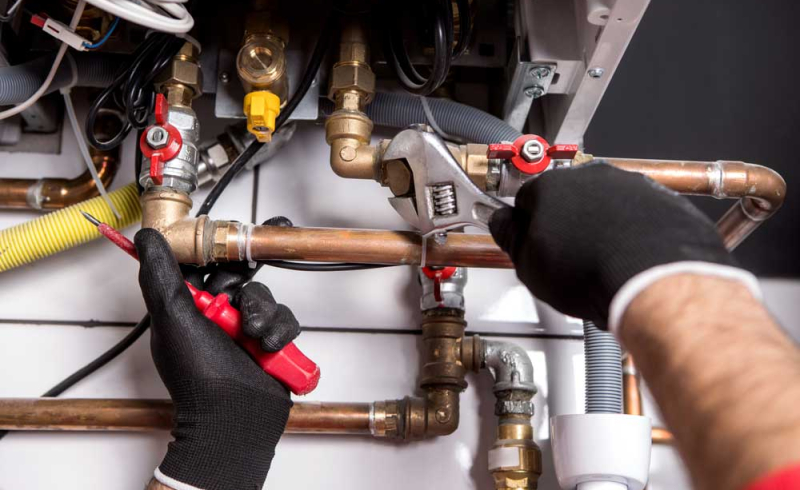
Gas line replacement is a critical plumbing and infrastructure service that involves removing old, damaged, or unsafe gas piping and installing new gas lines to ensure safe and reliable gas delivery throughout a property.
Unlike minor repairs that address isolated issues, gas line replacement is a more comprehensive solution that addresses the entire condition of the gas piping system. It is often required when a system has reached the end of its lifespan, has widespread corrosion, or no longer meets current safety standards.
At Plumber On Demand, we provide professional gas line replacement services for residential and commercial properties, ensuring systems are upgraded safely, efficiently, and in compliance with modern codes.
If you need gas line replacement or suspect your system may be outdated, call 905-409-0657.
What Is Gas Line Replacement?
Gas line replacement involves removing existing gas piping and installing new lines to restore safe and reliable gas flow.
This may include:
- Partial gas line replacement (specific sections)
- Full system replacement (entire gas infrastructure)
- Upgrading old materials to modern piping
- Rerouting gas lines for improved efficiency
- Reconnecting appliances to new systems
The goal is to eliminate risk and ensure long-term system safety.
Why Gas Line Replacement Becomes Necessary
Gas line replacement is typically required when repair is no longer sufficient or cost-effective.
1. Aging Gas Systems
Older gas systems naturally deteriorate over time. Pipes may become brittle, corroded, or structurally weak.
2. Frequent Leaks or Repairs
If a system requires repeated repairs, replacement is often the safer and more cost-effective long-term solution.
3. Corrosion and Material Breakdown
Exposure to moisture and environmental conditions can weaken metal piping over time.
4. Outdated Materials
Older gas systems may use materials no longer considered safe or efficient under modern standards.
5. Renovations or Property Upgrades
Major renovations often require updated gas systems to support new layouts or appliances.
6. Safety Code Compliance
In some cases, gas systems must be replaced to meet updated building and safety regulations.
Signs You May Need Gas Line Replacement
There are several indicators that a gas system may need replacement rather than repair.
Frequent Gas Leaks
Repeated leaks often indicate a systemic issue rather than a single failure point.
Rust or Corrosion on Pipes
Visible corrosion is a strong indicator that pipes are deteriorating.
Inconsistent Gas Pressure
Uneven performance across appliances may indicate system-wide issues.
Aging Infrastructure
Systems older than several decades may require evaluation for replacement.
Renovation Requirements
Changing appliance layouts or adding new systems may require upgraded gas lines.
Why Gas Line Replacement Is Important
Replacing outdated gas lines improves:
- Safety
- Efficiency
- Reliability
- System longevity
- Code compliance
Old systems can become unpredictable, making replacement the safer long-term solution.
Residential Gas Line Replacement
Homes often require gas line replacement due to aging infrastructure or renovation needs.
Common Residential Scenarios
- Old galvanized piping systems
- Renovation projects requiring rerouting
- Upgrading to modern appliances
- Replacing leaking underground lines
Residential Benefits
- Improved home safety
- Better appliance performance
- Reduced risk of leaks
- Increased property value
Commercial Gas Line Replacement
Commercial properties often require larger-scale replacement projects.
We service:
- Restaurants
- Hotels
- Retail spaces
- Warehouses
- Industrial facilities
- Apartment buildings
Why Commercial Replacement Is Common
- High system usage
- Larger infrastructure demands
- Code compliance updates
- Expansion or renovation projects
Gas Line Replacement Process
Gas line replacement requires careful planning and execution.
Step 1: System Evaluation
We assess the existing system to determine:
- Condition of pipes
- Safety risks
- Extent of replacement needed
Step 2: System Design Planning
A new gas system layout is designed based on:
- Appliance locations
- Gas load requirements
- Property structure
Step 3: Safe Disconnection
The existing system is safely shut down before removal begins.
Step 4: Removal of Old Gas Lines
Old or damaged piping is carefully removed.
Step 5: Installation of New Gas Lines
New piping is installed using approved materials and methods.
Step 6: Appliance Reconnection
All gas appliances are properly reconnected to the new system.
Step 7: Pressure Testing
The system is tested for leaks and pressure stability.
Partial vs Full Gas Line Replacement
Partial Replacement
Involves replacing only damaged or outdated sections.
Used when:
- Damage is localized
- System is mostly in good condition
Full Replacement
Involves replacing the entire gas system.
Used when:
- System is old or unsafe
- Multiple leaks exist
- Upgrades are required
Underground Gas Line Replacement
Underground systems require specialized work.
Common Underground Issues
- Corrosion
- Soil shifting
- Root interference
- Excavation damage
Replacement Process
- Excavation
- Removal of old piping
- Installation of new lines
- Protective backfilling
Indoor Gas Line Replacement
Indoor replacement requires careful routing through:
- Walls
- Basements
- Utility rooms
Gas Line Replacement Cost Factors
Costs depend on:
- Size of system
- Length of piping
- Accessibility
- Material type
- Partial vs full replacement
Why Replacement Is Safer Than Continuous Repair
Repeated repairs can become risky and expensive.
Replacement provides:
- Long-term stability
- Reduced risk of leaks
- Fewer service interruptions
Safety Standards and Code Compliance
New gas systems must meet modern standards including:
- Proper pipe sizing
- Approved materials
- Safe pressure levels
- Correct installation methods
Long-Term Benefits of Gas Line Replacement
- Improved system reliability
- Enhanced safety
- Lower maintenance needs
- Better energy efficiency
Why Homeowners Choose Plumber On Demand
- Safe, professional replacement
- Clear communication
- Reliable service
- Long-term solutions
Why Businesses Choose Us
- Minimal downtime
- Commercial expertise
- Efficient project execution
Service Coverage
We provide gas line replacement for:
- Residential homes
- Commercial buildings
- Industrial systems
- Multi-unit properties
Final Thoughts
Gas line replacement is one of the most important upgrades for ensuring long-term safety and system performance. Whether due to aging infrastructure, repeated leaks, or renovation needs, replacing outdated gas lines provides peace of mind and reliability.
Plumber On Demand delivers professional gas line replacement services designed for safety, efficiency, and long-term value.
Contact Plumber On Demand