
Gas Line Installation Stoney Creek
 (459)
(459)
(459)
Introduction to Gas Line Installation
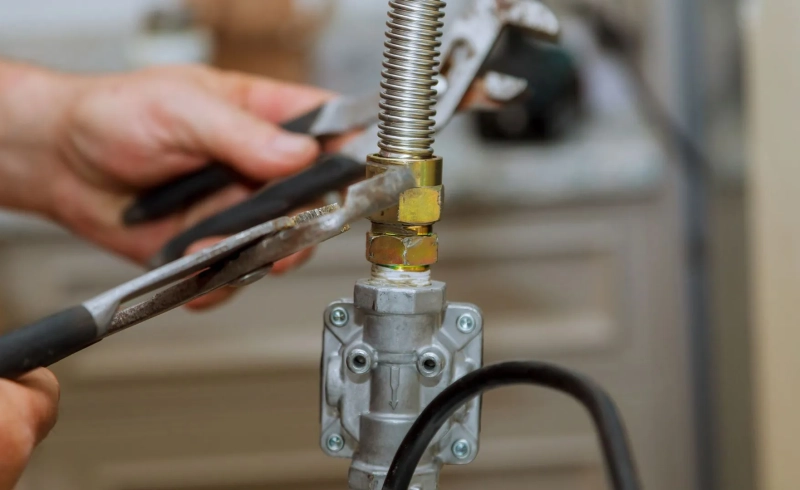
Gas line installation is one of the most important infrastructure services for both residential and commercial properties. A properly installed gas line system ensures that natural gas can safely and efficiently power essential appliances such as furnaces, water heaters, stoves, fireplaces, dryers, outdoor grills, and commercial kitchen equipment.
Unlike standard plumbing installations, gas line installation requires specialized knowledge, precise engineering, and strict adherence to safety codes. Even a small installation error can create serious risks, including leaks, system failures, or safety hazards.
At Plumber On Demand, we provide professional gas line installation services designed to deliver safe, reliable, and long-lasting gas systems for homes and businesses.
If you need gas line installation or upgrades, call 289-501-6316 for professional service.
What Is Gas Line Installation?
Gas line installation is the process of designing, routing, and installing piping systems that deliver natural gas from a utility source to various appliances within a property.
A complete gas system typically includes:
- Main gas supply connection
- Gas meter connection
- Interior distribution piping
- Branch lines to appliances
- Shut-off valves
- Appliance connectors
- Pressure regulators
Each component must be installed correctly to ensure safe gas flow and long-term reliability.
Why Proper Gas Line Installation Matters
Gas systems operate under controlled pressure, and even minor installation mistakes can lead to serious issues.
Poor installation may result in:
- Gas leaks
- Appliance malfunction
- Pressure irregularities
- Safety hazards
- Code violations
- Expensive repairs
A properly installed gas line system ensures:
- Safe operation
- Efficient gas flow
- Long-term durability
- Compliance with safety standards
Common Reasons for Gas Line Installation
Gas line installation is required in many different situations.
1. New Appliance Installation
Homeowners and businesses often install gas lines when adding:
- Gas stoves
- Furnaces
- Water heaters
- Fireplaces
- Dryers
- BBQ systems
- Pool heaters
2. Home Renovations
Renovation projects often require new or relocated gas lines to support updated layouts or additional appliances.
3. Property Upgrades
Older properties may not have modern gas infrastructure and require full system upgrades.
4. Outdoor Living Spaces
Outdoor gas systems are increasingly popular for:
- Fire pits
- Outdoor kitchens
- Patio heaters
- BBQ installations
5. Commercial Kitchen Setups
Restaurants and commercial kitchens rely heavily on properly installed gas systems for cooking equipment.
Safety Considerations in Gas Line Installation
Gas installation is not a standard DIY project. It requires trained professionals because of the risks involved.
Key safety considerations include:
- Proper pipe sizing
- Correct pressure regulation
- Leak prevention
- Code compliance
- Material selection
- Secure connections
Even a small error can lead to major safety issues later.
Types of Gas Line Systems
Different properties require different types of gas line systems.
Black Iron Pipe Systems
Common in residential and commercial installations due to durability and strength.
CSST (Corrugated Stainless Steel Tubing)
Flexible piping used in modern installations for easier routing.
Copper Gas Lines
Less common but still used in some specialized applications.
Residential Gas Line Installation
Residential gas systems are designed to support everyday household needs.
Plumber On Demand installs gas lines for:
- Homes
- Townhouses
- Condos
- Rental properties
Common Residential Installations
- Kitchen stove lines
- Furnace connections
- Water heater lines
- Fireplace gas systems
- Outdoor BBQ hookups
Each installation is customized based on home layout and appliance requirements.
Commercial Gas Line Installation
Commercial properties require larger and more complex gas systems.
We service:
- Restaurants
- Hotels
- Office buildings
- Warehouses
- Retail stores
- Industrial facilities
Commercial Installation Needs
Commercial systems often require:
- High-capacity gas flow
- Multiple appliance connections
- Heavy-duty piping systems
- Strict compliance standards
The Gas Line Installation Process
A proper gas line installation follows a structured process to ensure safety and performance.
Step 1: Site Evaluation
The first step involves assessing:
- Property layout
- Appliance locations
- Gas demand requirements
- Existing infrastructure
Step 2: System Design
A custom gas system design is created based on:
- Appliance load
- Pipe routing
- Pressure requirements
- Safety regulations
Step 3: Material Selection
The appropriate piping materials are selected depending on:
- Application type
- Building structure
- Local codes
Step 4: Installation of Piping
Gas lines are carefully installed throughout the property, ensuring:
- Secure fittings
- Proper support
- Safe routing paths
Step 5: Appliance Connection
Each appliance is properly connected using approved fittings and connectors.
Step 6: Pressure Testing
The entire system is tested for leaks and pressure stability.
Step 7: Final Safety Inspection
A final inspection ensures the system meets safety standards.
Underground Gas Line Installation
Underground gas lines are commonly used for:
- Outdoor kitchens
- Detached garages
- Pool heaters
- Fire pits
Installation Challenges
Underground installations require:
- Trenching
- Soil evaluation
- Moisture protection
- Corrosion-resistant materials
Safety Considerations
Underground lines must be:
- Properly buried at safe depth
- Protected from damage
- Installed with clear markers
Indoor Gas Line Installation
Indoor systems are more complex due to building structure constraints.
Challenges include:
- Wall routing
- Ceiling access
- Floor penetration
- Appliance placement
Appliance-Specific Installations
Furnaces
Require properly sized gas lines for consistent heating performance.
Water Heaters
Need stable gas flow for reliable heating cycles.
Stoves and Cooktops
Require precise connection placement for kitchen safety.
Fireplaces
Require secure installation to prevent leaks and ensure proper flame operation.
Gas Line Installation Cost Factors
Costs vary depending on:
- Length of piping required
- Complexity of installation
- Material type
- Number of appliances
- Indoor vs outdoor routing
- Labor requirements
Why Professional Installation Is Required
Gas line installation must comply with strict safety standards.
Professional installation ensures:
- Proper system sizing
- Safe connections
- Code compliance
- Leak prevention
- Long-term reliability
Gas Line Installation Safety Codes
All installations must follow local building and gas safety regulations.
These codes ensure:
- Proper ventilation
- Safe pressure levels
- Approved materials
- Correct installation methods
Maintenance After Installation
Even newly installed gas systems should be monitored.
Recommended maintenance includes:
- Periodic inspections
- Appliance servicing
- Leak checks
- Connection reviews
Why Homeowners Choose Plumber On Demand
Homeowners trust us for:
- Safe installation practices
- Professional workmanship
- Clear communication
- Reliable service
- Long-term solutions
Why Businesses Choose Plumber On Demand
Businesses depend on:
- Fast service
- Minimal downtime
- Commercial expertise
- Safe system design
Service Coverage
We provide gas line installation for:
- Residential homes
- Commercial buildings
- Industrial facilities
- Outdoor systems
Final Thoughts
Gas line installation is a critical service that requires precision, expertise, and strict safety adherence. Whether upgrading an existing system or installing a completely new one, proper execution ensures long-term safety and performance.
Plumber On Demand delivers professional gas line installation services designed to meet residential and commercial needs.
Contact Plumber On Demand