
Emergency Water Removal Cheltenham
 (459)
(459)
(459)

Emergency Water Removal Services | Plumber On Demand
Fast Extraction and Pumping of Standing Water so Drying Can Start
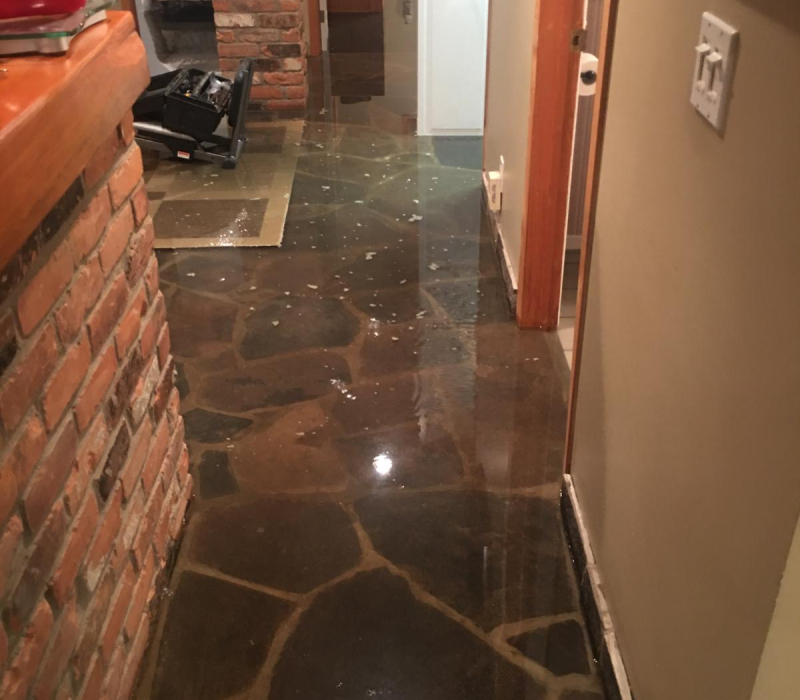
When a room is holding standing water, the first job is to get that water out. Emergency water removal is extraction and pumping—truck-mount extractors, submersible pumps, and wet vacs used to pull volume off floors so drying can begin. It is not full restoration, and it is not detailed residue cleanup.
At Plumber On Demand, we provide emergency water removal for homes and businesses. Our focus is how much water is present, which equipment fits the job, and how quickly bulk water can be removed from living space, basements, and commercial floors.
If you need emergency water removal, contact Plumber On Demand today at 905-220-5006 to request extraction help.
What Emergency Water Removal Means
Emergency water removal is the rapid extraction of standing water after a leak, backup, appliance failure, or flood. The goal is to take water out of the building as fast as it is safe to do so, because every hour of standing water soaks more material.
Emergency water removal may include:
- Assessment of water depth, spread, and access
- Submersible pumping for deeper standing water
- Truck-mount extraction for carpets, rooms, and large wet areas
- Wet-vac work for smaller pools and edges
- Repeat extraction passes as water wicks back to the surface
- Removal of water from carpet, pad, and accessible floor systems
- Handoff notes so drying can start once bulk water is gone
Water removal ends when standing water is gone and remaining moisture is a drying problem, not a pumping problem.
Why Emergency Water Removal Is Urgent
Standing water continues to migrate while it sits. The first 24 to 48 hours are critical because wet materials can support mold, and extra hours of saturation push more flooring, drywall, and contents past the point of saving.
Delaying extraction can lead to:
- Deeper soaking of carpet, pad, and underlayment
- Water wicking up drywall and into wall cavities
- Heavier furniture and contents losses
- Faster mold growth once materials stay wet past one to two days
- Longer drying times after bulk water is finally removed
- Higher replacement costs for flooring and finishes
Getting water out fast does not finish the job by itself. It does create the conditions drying needs. Extraction delayed until morning often means a larger class of water loss and more demolition later.
Common Causes of Standing Water Emergencies
Water removal is needed whenever volume is sitting on floors or in lower levels and cannot be handled with household tools.
Common causes include:
- Burst supply lines that flood rooms before the valve is shut
- Water heater failures that dump a tank onto the floor
- Drain backups that leave contaminated standing water
- Appliance overflows from washers, dishwashers, and ice makers
- Sump failures and groundwater that pool in basements
- Storm entry that leaves inches of water on lower floors
The source should be stopped or limited when possible before or during extraction. Pumping against an active leak is slower and less effective.
Signs You Need Emergency Water Removal
If water is pooled, extraction should start as soon as the scene is safe. Mops and household wet vacs are rarely enough when depth, area, or contamination is significant.
You may need emergency water removal when:
- Water is standing on floors, not just damp to the touch
- Carpet squishes and water wells up when walked on
- A basement or lower level has visible pooling
- Multiple rooms have connected wet flooring
- Water is against baseboards, under appliances, or at stair landings
- You can see depth that a mop cannot keep up with
- The event just happened and water is still spreading laterally
If you are unsure whether you need pumping, extraction, or only drying, describe the depth and area when you call so the right equipment can be dispatched.
Water Removal vs. Cleanup vs. Drying
These phases are related but not the same.
• Emergency Water Removal
Extraction and pumping to get standing water out of the building.
• What Water Removal Is Not
Water removal is not:
- Full reconstruction or flooring replacement
- Detailed silt cleanup and disinfection of every surface
- Complete structural drying, which starts after bulk water is gone
Plumber On Demand helps sequence the work: get the water out first, then move to cleanup and drying as needed.
Why DIY Water Removal Is Risky
A household wet vacuum can help with a small spill. It is a poor match for room-scale standing water, contaminated backups, or deep basement pooling.
DIY water removal may:
- Take too long, allowing water to soak deeper into materials
- Fail on depth that needs a submersible pump
- Spread contaminated water with the wrong equipment
- Miss water under carpet, pad, and furniture
- Create electrical hazards with consumer equipment in wet areas
- Leave enough volume behind that drying never catches up
Professional extraction uses equipment sized to the volume. The point is speed: removing water in hours instead of leaving it overnight.
Our Emergency Water Removal Process
Extraction is a sequence. The wrong first tool wastes time while water keeps soaking materials.
• Rapid Volume and Access Assessment
We review depth, square footage, flooring type, and how water is traveling. This determines whether pumps, truck-mount extractors, wet vacs, or a combination are needed.
• Safety and Electrical Considerations
Standing water and power do not mix. We evaluate whether extraction can start safely and whether wet-area power must be addressed first.
• Equipment Selection
Submersible pumps move deeper water. Truck-mount extractors pull large volumes from rooms and carpet systems. Wet vacs handle edges, stairs, and smaller remaining pools.
• Bulk Water Extraction
Standing water is pumped or extracted from the main flooded areas first so the water line drops quickly.
• Carpet, Pad, and Surface Extraction
After visible pooling is down, extraction continues on wet floor coverings and areas where water is held in padding or seams.
• Repeat Passes as Water Returns
Water hidden in cavities and under materials can reappear on the surface. Repeat extraction passes pull that returning water before drying equipment is expected to do an impossible job.
• Check That Bulk Water Is Gone
We look for remaining pools, squish in carpet, and obvious water against edges. The goal is to end the standing-water phase.
• Handoff to Drying
Once bulk water is out, drying can start. Water removal is complete when the job is no longer a pumping problem.
Emergency Water Removal After Common Events
• Burst Pipes and Supply Failures
A burst line can put a surprising volume on a floor in minutes. Fast extraction limits how far that water travels into adjacent rooms.
• Basement Pooling
Basements often need pumps first because depth is greater. Extractors then pick up remaining water on finished floors.
• Drain Backups
Contaminated standing water still has to come out, with extra care for safety, waste handling, and later cleanup.
• Appliance Overflows
Washer and water-heater events can flood finished rooms. Truck-mount extraction is often the fastest way to get that water out of carpet and hallways.
Emergency Water Removal for Residential Properties
Homeowners usually need extraction when a basement is standing in water, a supply line has flooded living space, or carpet is holding a large volume.
Residential water removal commonly involves:
- Basements with inches of water on concrete or finished floors
- Living rooms and hallways with soaked carpet
- Laundry rooms and kitchens after appliance failures
- Lower-level family rooms where water ran to the lowest point
- Closets and bedrooms where water spread under doors
In homes, speed protects flooring systems and belongings that are still sitting in the wet zone.
Emergency Water Removal for Commercial Buildings
Commercial extraction must account for large floor plates, operations, and after-hours access. Standing water on a business floor is both a damage problem and a slip hazard.
Commercial water removal often includes:
- Offices with wet carpet tiles and corridors
- Retail floors that cannot reopen until water is gone
- Warehouses and storage areas with large pooled surfaces
- Multi-unit buildings where water traveled through common areas
- Facilities where mechanical-room failures flooded adjacent space
Getting water out quickly is often the first step toward reopening.
Emergency Water Removal for Property Managers
Property managers may need urgent extraction when:
- A unit flood has reached hallways or units below
- After-hours pooling is blocking access
- Tenants report standing water and cannot occupy rooms
- Multiple wet zones need coordinated pumping
We assist with:
- Fast assessment of how much water is present
- Equipment matched to depth and flooring type
- Clear notes on what was extracted and what remains damp
- Handoff so drying and cleanup can follow without delay
Save vs. Replace Materials After Water Removal
Extraction can save materials that have been wet only a short time. It cannot reverse contamination or long saturation by itself.
• Materials Extraction Can Help Save
Fast water removal improves the odds for:
- Carpet that has not stayed soaked for days
- Hard flooring that was under water only briefly
- Rooms that have not yet wicked water into wall cavities
- Contents that can be moved once standing water is gone
- Adjacent areas that would have flooded if pumping waited
• Materials That May Still Need Replacement
Even after water is out, some items may still be lost:
- Pad that stayed saturated too long
- Drywall that wicked water above salvageable height
- Flooring systems that trapped water underneath
- Porous contents that sat in standing water
- Materials soaked by contaminated backup water
Extraction is the step that gives salvage a chance. Replacement decisions come after the water is actually gone.
Cost Factors for Emergency Water Removal
Extraction pricing is driven by how much water there is, how deep it is, what it is sitting on, and how fast equipment must be deployed.
Cost factors commonly include:
- Depth and square footage of standing water
- Water class and how far moisture has spread
- Flooring type, including carpet and pad
- Need for pumps versus truck-mount extractors versus wet vacs
- After-hours, weekend, or holiday response
- Access, stairs, and how far water must be discharged
- Contamination that affects handling and disposal
Faster extraction often reduces later drying and replacement cost because fewer materials cross from wet to ruined.
Insurance and Emergency Water Removal
Many claims start with standing water. Insurers often want to know when extraction started, how much area was wet, and whether the source was stopped.
Helpful extraction documentation may include:
- Photos of standing water before pumping
- Notes on depth, affected rooms, and flooring types
- Equipment used and areas extracted
- Time the water was discovered versus when removal began
- Remaining damp conditions that will need drying
We do not determine coverage. We do help you capture a record of the standing-water phase.
Preventing the Next Standing-Water Emergency
Some extraction calls follow failures that can be reduced: aging supply lines, ignored sump equipment, or appliance hoses that were never replaced.
Prevention steps include:
- Repairing leaks before they become room-scale floods
- Maintaining sump pumps and discharge lines
- Replacing worn washer and heater hoses
- Knowing shutoffs so volume is limited before extraction
- Keeping lower-level floors clearer so pumping access is faster
Even with prevention, emergencies happen. Calling for extraction as soon as water is standing is the best way to limit the next loss.
Why Choose Plumber On Demand for Emergency Water Removal
When floors are holding water, you need extraction equipment and a plan, not a mop and a wait until morning.
When you choose Plumber On Demand, you benefit from:
• Volume-First Extraction
We focus on getting standing water out so drying can actually start.
• The Right Tool for the Depth
Pumps, truck-mount extractors, and wet vacs are matched to how much water is present.
• Speed During the First 24 Hours
After-hours extraction shortens the soak time that drives mold and material loss.
• Clear Handoff to Drying
We explain when bulk water is gone and what drying still needs to do.
• Residential and Commercial Support
We work with homeowners, landlords, property managers, and business owners.
Areas We Serve
Plumber On Demand provides emergency water removal services for residential and commercial properties across a wide range of communities.
We work with:
- Homeowners
- Property managers
- Landlords
- Contractors
- Business owners
- Facility managers
- Real estate professionals
- Multi-unit building operators
If your property has standing water that needs to come out quickly, we can help plan emergency extraction.
The Importance of Acting Quickly
Standing water does not pause overnight. Prompt extraction can help:
- Reduce how much flooring and drywall becomes soaked
- Shorten the 24- to 48-hour mold window
- Limit spread into adjacent rooms
- Give drying equipment a realistic starting point
- Lower later replacement costs
If you can see pooling, early water removal is often the most cost-effective next step.
Schedule Emergency Water Removal Today
If floors are holding water after a leak, backup, appliance failure, or flood, Plumber On Demand is ready to help.
Our emergency water removal services provide a clear path forward—assessment, pumping and extraction, repeat passes, and handoff to drying.
Contact Plumber On Demand today at 905-220-5006 to request emergency water removal.
Water Classes: How Much Water Must Come Out
“How much water” is not only depth. Restoration practice groups losses by how far moisture has spread and how much material is wet. That classing helps choose equipment and set expectations.
Water-class concerns often include:
- Small, localized losses with limited soak
- Room-scale water in carpet, pad, and wall bases
- Ceiling, wall, and insulation saturation with widespread volume
- Specialty-wet materials such as hardwood, plaster, or concrete that hold moisture
A larger class means more water to extract and a longer path to drying. Fast pumping is how a loss is kept from jumping class while it sits.
Extraction Equipment Used in Emergencies
Different standing-water jobs need different tools.
• Submersible Pumps
Pumps are used when depth is significant, especially in basements and lower levels where water is inches deep.
• Truck-Mount Extractors
Truck-mount systems move large volumes from rooms and carpet systems faster than portable consumer equipment.
• Wet Vacs and Portable Extractors
These tools help with edges, stairs, smaller rooms, and remaining pools after bulk water is down.
Using the wrong tool for the volume is why DIY removal often takes all night and still leaves water behind.
Hidden Water Under Flooring and Inside Cavities
What you see on the surface is not always the full volume. Water hides under carpet, in pad, under floating floors, and in wall cavities.
Hidden-water issues may include:
- Water that reappears after the first extraction pass
- Squish in carpet after the surface looks better
- Water against edges that wicked under baseboards
- Moisture that ran to a lower room out of sight
- Pools under appliances and furniture that were not moved
Emergency water removal includes checking those places so extraction is not declared done while volume remains.
When Water Removal Ends and Drying Should Begin
Extraction has a finish line. When standing water is gone and remaining moisture is in materials, the job becomes drying—not more pumping.
Drying should begin after:
- Visible pooling is removed
- Carpet and pad have been extracted as appropriate
- Repeat passes have pulled returning water
- The scene is safe for drying equipment
- Remaining residue cleanup needs are identified if water was dirty
Starting fans over standing water is not extraction. Get the water out first, then dry.
Carpet and Pad Extraction
Carpet holds far more water than a hard floor. Pad can hold even more. That is why a room can look “not that deep” and still contain a large volume.
Carpet extraction often involves:
- Truck-mount pulling of water from the carpet face
- Attention to pad that releases water on later passes
- Edges, seams, and areas under furniture
- Decisions about whether pad can still be saved after extraction
- Handoff notes for drying once bulk water is out of the floor system
The faster carpet water comes out, the better the chance the floor system never becomes a full tear-out.
Repeat Extraction Passes
One pass is rarely the whole job. As water wicks back from pad, underlayment, and cavities, the surface can look wet again.
Repeat passes help by:
- Pulling water that was not available on the first pass
- Reducing how much work drying equipment is asked to do
- Catching migration into hallways and adjacent rooms
- Confirming that pumps and extractors have actually finished the volume
Emergency water removal is finished when those return amounts are no longer a standing-water problem.
Frequently Asked Questions About Emergency Water Removal
• Is water removal the same as flood cleanup?
No. Water removal extracts standing water. Cleanup addresses silt, film, and contaminated surfaces after the water is gone.
• How soon should extraction start?
As soon as the area is safe, ideally immediately. Standing water that sits through the first 24 to 48 hours increases mold risk and material loss.
• Can I use a household wet vacuum instead?
A consumer wet vac may help with a small spill. Room-scale or deep water usually needs pumps or truck-mount extractors.
• Do you use pumps or truck-mount extractors?
Both, depending on depth and flooring. Pumps handle deeper pooling. Truck-mount extractors are often used for large areas and carpet systems.
• What are water classes?
Water class describes how much material is wet and how far moisture has spread. It helps explain equipment needs and why fast extraction matters.
• Will extraction dry the house completely?
No. Extraction removes bulk water. Drying remaining moisture in materials is a following step.
• What if the water is from a drain backup?
Contaminated water still needs to be removed, with extra safety and later cleanup. Do not treat backup water like a simple spill.
• Should I run fans while water is still standing?
No. Fans over standing water do not replace extraction and can spread contamination. Remove the water first.
• Can carpet be saved if you extract quickly?
Sometimes. Fast extraction improves the odds, especially when water was not contaminated and pad has not stayed soaked for a long period.
• Do you work nights and weekends?
Yes. Emergency water removal is built for after-hours events, when many floods are first found.
• Can you document extraction for insurance?
Yes. We can photograph standing water, describe affected areas, and summarize what was extracted.
• How do I get emergency water removal started?
Call Plumber On Demand at 905-220-5006. Describe the depth, which rooms are wet, and whether water is still coming in.
Contact Plumber On Demand Today
Standing water will keep soaking materials until it is pumped and extracted. Emergency water removal is that first, urgent step—getting water out so drying can start.
Plumber On Demand provides emergency water removal for residential and commercial clients, including pumps, truck-mount extraction, wet-vac work, and a clear handoff to drying.
If you need standing water removed, contact Plumber On Demand today.
📞 Call 905-220-5006
Speak with our team about the flooding, request extraction, and learn how emergency water removal can get water out of your property fast.