
Emergency Flood Cleanup Cheltenham
 (459)
(459)
(459)

Emergency Flood Cleanup Services | Plumber On Demand
After-Hours Cleanup of Flood Residue, Silt, and Contaminated Surfaces
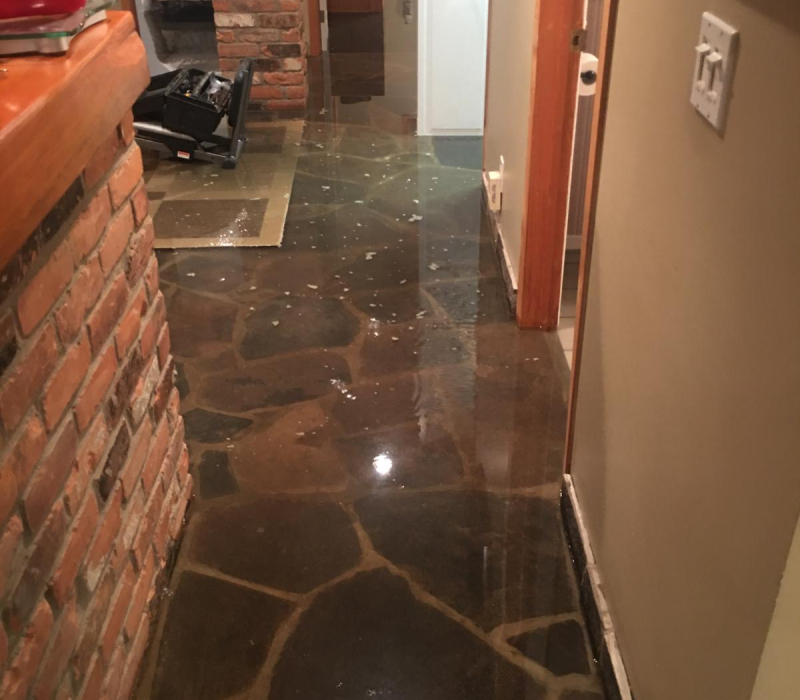
When floodwater recedes, silt, sludge, and dirty-water film remain on floors, walls, and belongings. Emergency flood cleanup removes that residue before it stains, spreads, and supports mold.
At Plumber On Demand, we provide emergency flood cleanup for homes and businesses. Our focus is the mess after the water: structural cleaning, contents handling, and disinfection.
If you need emergency flood cleanup, contact Plumber On Demand today at 905-220-5006 to request after-hours cleanup.
What Emergency Flood Cleanup Means
Emergency flood cleanup is rapid cleaning of flood residue after bulk water is gone. It is not pumping standing water, and it is not a full rebuild. Cleanup targets silt, film, and contamination left on materials and contents.
Emergency flood cleanup may include:
- Removal of silt, sludge, and sediment from floors and lower walls
- Cleaning of structural surfaces exposed to dirty floodwater
- Handling of soaked contents and pack-out decisions
- Disinfection of contaminated surfaces
- Guidance on what can be cleaned versus discarded
Cleanup is most effective before silt dries and film bonds to finishes.
Why Emergency Flood Cleanup Is Urgent
The first 24 to 48 hours after flooding are the critical cleanup window. Moisture in carpets, drywall, and contents can support mold, while silt and film stain finishes.
Delaying cleanup after a flood can lead to:
- Mold growth on damp porous materials within one to two days
- Stronger odors from dirty water and organic residue
- Staining of flooring, millwork, and wall finishes
- Cross-contamination as people track residue into clean rooms
- Higher discard rates for furniture, carpet, and stored items
- Longer restoration once residue has dried in place
Acting inside the first-day window helps protect salvageable materials and limits how far contamination travels.
Common Causes of Flood Residue Emergencies
Cleanup is needed after many water events, not only outdoor flooding. Any incident that leaves dirty water, silt, or contaminated film can create an emergency cleanup situation.
Common causes include:
- Burst supply lines and sudden plumbing failures
- Drain backups and overflow events
- Appliance failures involving washers, water heaters, or dishwashers
- Foundation seepage and basement flooding that deposits silt
- Storm-driven water entry and roof leaks that drip onto contents
Even water that started clean can pick up dirt, insulation particles, and household contaminants as it travels.
Signs You Need Emergency Flood Cleanup
Cleanup is often needed as soon as standing water is gone and residue remains. A mop or consumer wet vacuum is rarely enough when silt and dirty-water film are present.
You may need emergency flood cleanup when:
- Floors feel slick, gritty, or coated after water recedes
- Silt or muddy sediment is visible along baseboards and corners
- A sewage-like, musty, or “wet dirt” odor remains after pumping
- Drywall, trim, or doors show dirty-water staining
- Furniture, boxes, and stored items are wet or coated
If you are unsure whether surfaces are only wet or actually contaminated, treat the situation as a cleanup emergency until it is assessed.
Flood Cleanup vs. Water Removal
Water removal extracts standing water. Flood cleanup removes the mess that water leaves behind.
• Water Removal
Water removal focuses on pumping and extracting volume so floors are no longer flooded.
• Emergency Flood Cleanup
Cleanup focuses on:
- Silt and sludge
- Dirty-water film
- Contaminated contents
- Disinfection of exposed surfaces
- Stopping residue from being tracked through the building
Plumber On Demand helps you understand which phase you are in so the right work happens in the right order.
Why DIY Flood Cleanup Is Risky
After a flood, it is natural to start scrubbing immediately. Uncontrolled DIY cleanup can spread contamination and damage salvageable materials.
DIY flood cleanup may:
- Push silt and film into wall cavities and under flooring
- Spread residue to clean rooms through shoes, mops, and shop vacuums
- Miss residue behind baseboards, under appliances, and inside cabinets
- Mix household cleaners in ways that are ineffective or unsafe
- Leave porous materials that cannot be reliably disinfected
- Delay professional cleanup past the first 24-hour window
Household tools are not designed for contaminated flood residue and can leave a film that later supports odor and mold.
Our Emergency Flood Cleanup Process
Every flood leaves a different mix of residue, contents, and access challenges. Our process is designed to start quickly and leave the property ready for drying and repairs.
• Safety Review and Access Planning
We confirm the scene is safe to enter. Electrical hazards, slippery residue, and contaminated water all affect how cleanup starts.
• Residue and Contamination Assessment
We inspect floors, lower walls, contents, and splash zones to identify silt, film, and materials that may be cleaned versus removed.
• Gross Debris and Sediment Removal
Loose debris, sludge, and sediment are removed before detailed surface cleaning so silt is not smeared into seams and finishes.
• Structural Surface Cleaning
Floors, baseboards, lower walls, and other exposed structure are cleaned using methods matched to the material.
• Contents Handling and Pack-Out Support
Wet and residue-coated belongings are sorted. Some items can be cleaned; others should be discarded to avoid ongoing contamination.
• Disinfection of Affected Areas
After residue is removed, remaining surfaces are disinfected as appropriate for the water category and material type.
• Odor and Cross-Contamination Control
Work zones, waste handling, and transition-area cleaning help keep residue from spreading into unaffected rooms.
• Documentation and Next-Step Handoff
You receive a clear picture of what was cleaned, what still needs drying or replacement, and what should happen next.
Emergency Flood Cleanup After Common Events
• Burst Pipes and Supply Failures
Burst pipes can soak rooms quickly and leave dirty film on floors and furnishings even after the flow is stopped.
• Basement Flooding
Basement floods often deposit silt on concrete, stored boxes, and finished lower-level materials.
• Drain Backups
Backups leave contaminated residue that needs careful cleaning and more conservative discard decisions.
• Storm and Overland Water
Outdoor floodwater commonly carries soil, debris, and unknown contaminants onto interior surfaces.
Emergency Flood Cleanup for Residential Properties
Homeowners often call after a basement flood, appliance failure, or overnight plumbing leak. Cleanup usually focuses on living areas, stored belongings, and finishes people touch every day.
Residential flood cleanup commonly involves:
- Basements with silt on concrete and stored boxes
- Finished lower levels with carpet, drywall, and furniture
- Kitchens and laundry rooms after appliance overflows
- Bathrooms after drain backups
- Closets, garages, and utility rooms with mixed contents
Fast content decisions help reduce what has to be thrown away and limit how far residue travels through the dwelling.
Emergency Flood Cleanup for Commercial Buildings
Commercial cleanup must account for operations, occupants, and liability. Residue left on floors can create slip hazards, odors, and hygiene concerns.
Commercial cleanup often includes:
- Offices and common areas with shared furnishings
- Retail spaces where stock and fixtures were exposed
- Food-service areas requiring careful surface disinfection
- Warehouses and storage rooms with palletized goods
- Multi-unit buildings where residue was tracked through corridors
After-hours cleanup helps operations resume as soon as it is safe.
Emergency Flood Cleanup for Property Managers
Property managers may need urgent cleanup when:
- A leak or backup affects multiple units
- Tenants tracked residue through hallways
- After-hours events leave silt on common-area floors
- Occupants need a clear re-entry plan
We assist with:
- Rapid residue-scope evaluation
- Scheduling around occupied units
- Documentation for ownership and insurers
- Guidance on what can be cleaned before residents return
Save vs. Replace Materials After Flood Cleanup
A major cleanup decision is which materials can be cleaned and which should be removed. Material type, water category, and how long residue sat in place all matter.
• Materials That Can Often Be Cleaned
Non-porous and some semi-porous surfaces may be salvageable when cleanup starts quickly:
- Concrete floors after silt is removed
- Tile, vinyl, and hard flooring that did not trap contaminated water underneath
- Metal fixtures and some sealed millwork
- Certain furniture with non-absorbent surfaces
- Some contents cleaned before odors set in
• Materials That Often Need Replacement
Porous materials that absorbed dirty floodwater are frequently not reliable to keep:
- Carpet and pad exposed to contaminated water
- Wet drywall and insulation at flood height
- Particleboard furniture and swollen cabinetry
- Textiles that cannot be thoroughly cleaned in time
- Paper goods, boxed food, and porous stored items
Acting inside the first 24 to 48 hours improves the odds that salvageable items can actually be saved.
Cost Factors for Emergency Flood Cleanup
Cleanup pricing is driven by the size of the mess, the type of residue, and how quickly work must start.
Cost factors commonly include:
- Square footage of residue-affected floors and walls
- Water category and disinfection requirements
- Amount of silt, sludge, and debris
- Contents volume and whether pack-out is needed
- After-hours, weekend, or holiday response
- Access limitations and waste handling
Prompt cleanup can reduce total cost by limiting how many materials cross from “cleanable” to “replace.”
Insurance and Emergency Flood Cleanup
Many owners need cleanup documentation for insurance. Coverage depends on the water cause and policy terms. We do not make coverage decisions, but we can help capture information insurers typically request.
Helpful cleanup documentation may include:
- Photos of residue, silt, and stained surfaces
- Notes on the likely water source and when the event was discovered
- A room-by-room description of cleaned versus discarded items
- Observations that affect salvage decisions
- A summary of work performed during the emergency visit
The first-day cleanup window does not wait for paperwork. Start cleanup when residue is present, and ask your carrier what photos they need.
Preventing Future Flood Residue Problems
Cleanup solves the current mess. Prevention reduces the chance you will need the same emergency again.
Prevention steps include:
- Repairing leaks and aging supply lines before they fail
- Maintaining drains, sump systems, and appliance hoses
- Elevating stored items off basement floors
- Knowing shutoff locations so water events are shorter
- Planning who to call after hours when residue is left behind
Having a cleanup plan shortens the residue window the next time water gets in.
Why Choose Plumber On Demand for Emergency Flood Cleanup
Flood residue cleanup is time-sensitive. You need a team that can arrive after hours and focus on contamination, not only wet floors.
When you choose Plumber On Demand, you benefit from:
• After-Hours Cleanup Focus
We treat nights, weekends, and holidays as part of the first-24-hour cleanup window.
• Residue-First Planning
Our work targets silt, sludge, dirty-water film, and contaminated surfaces.
• Contents and Structure Together
Cleanup includes building surfaces and the belongings sitting on them.
• Clear Salvage Guidance
We help you understand which materials can reasonably be cleaned and which are better replaced.
• Residential and Commercial Support
We work with homeowners, landlords, property managers, and business owners.
Areas We Serve
Plumber On Demand provides emergency flood cleanup services for residential and commercial properties across a wide range of communities.
We work with:
- Homeowners
- Property managers
- Landlords
- Contractors
- Business owners
- Facility managers
- Real estate professionals
- Multi-unit building operators
If your property has flood residue, silt, or contaminated surfaces after a water event, we can help plan after-hours cleanup.
The Importance of Acting Quickly
Flood residue becomes harder to remove as it dries. Prompt cleanup can help:
- Reduce mold risk during the first 24 to 48 hours
- Limit staining and odor in finishes
- Protect contents that are still salvageable
- Stop tracking into unaffected rooms
- Reduce later demolition and replacement
If water has receded and a mess remains, early cleanup is often the most cost-effective step.
Schedule Emergency Flood Cleanup Today
If flood residue, silt, or dirty-water film is sitting on floors, walls, or belongings, Plumber On Demand is ready to help.
Our emergency flood cleanup services provide a clear path forward: residue removal, surface cleaning, contents handling, and disinfection.
Contact Plumber On Demand today at 905-220-5006 to request after-hours cleanup.
The Mess After the Water: Residue, Silt, and Contamination
Pumping out a flooded room is only the first visible improvement. What remains is often silt, debris, and a thin contaminated film on surfaces the water touched.
Residue problems often include:
- Gritty silt along edges, stair treads, and equipment bases
- Gray or brown film on vinyl, tile, and sealed concrete
- Splash marks on lower drywall and doors
- Contaminated dust after residue dries and is walked on
- Odors trapped in baseboards, underlayment, and contents
The faster residue is removed, the less it migrates into cavities and traffic paths.
Contents Cleanup After a Flood
Belongings are frequently the most stressful part of flood cleanup. Furniture, clothing, documents, and stored goods can hold dirty water long after floors look better.
Contents cleanup may involve:
- Sorting items into cleanable, questionable, and discard piles
- Removing wet boxes before they collapse and spread residue
- Isolating salvageable furniture from still-dirty floors
- Addressing file boxes, photos, and paper goods quickly
- Bagging contaminated waste so it does not re-enter living areas
Fast, organized contents work reduces loss by protecting what is salvageable before odors set in.
Disinfection of Contaminated Surfaces
Disinfection is a cleanup step, not a shortcut around residue removal. Applying disinfectant over silt does not make a surface clean.
Disinfection is especially important when:
- Water came from a drain, sewer, or unknown outdoor source
- Occupants walked through contaminated areas
- Kitchens, bathrooms, or high-touch surfaces were exposed
- Sensitive occupants will return soon
- Commercial spaces must meet hygiene expectations before reopening
Surfaces need to be cleared of film and sediment first, then disinfected according to water type and material.
After-Hours Cleanup and the First 24-Hour Window
Floods do not follow office hours. A pipe that fails at midnight still starts the same 24-hour clock.
After-hours cleanup helps by:
- Starting residue removal before silt dries in place
- Reducing overnight tracking of contamination
- Protecting contents that would otherwise sit wet until morning
- Shortening the period damp materials are available for mold growth
- Giving managers and business owners a same-night path forward
Waiting until morning because it is “only dirty water” is often when cleanup becomes demolition.
Cleaning Lower Walls, Baseboards, and Splash Zones
Flood residue is not only on floors. Water leaves a tide line, splash marks, and film on lower walls, doors, and trim.
These zones often need cleanup because:
- Baseboards trap silt at the floor edge
- Lower drywall absorbs dirty water at flood height
- Door bottoms and jambs collect film
- Stair risers and treads hold grit after basement events
- Kick plates and cabinet toekicks stay coated after kitchen floods
Missing splash zones leaves odor and staining even when floors look better.
Stopping Tracking and Cross-Contamination
During a flood, people walk residue into hallways, stairs, and rooms that never flooded. Cleanup should include those paths.
Tracking control may include:
- Isolating dirty rooms
- Cleaning transition floors and stairs
- Managing footwear and access
- Bagging waste at the source
- Cleaning tools and equipment before they leave the work zone
Cross-contamination is one reason DIY mopping often makes a larger mess.
What Happens After Emergency Flood Cleanup
Cleanup removes residue. It does not finish every restoration step.
Next steps may include:
- Drying of remaining damp materials
- Replacement of materials that cannot be cleaned
- Plumbing or drainage repairs that stop the source
- Monitoring for odor or moisture rebound
- Mold assessment if materials stayed wet too long
Plumber On Demand provides guidance so drying and repairs can proceed on cleaner surfaces.
Frequently Asked Questions About Emergency Flood Cleanup
• Is flood cleanup different from pumping out water?
Yes. Pumping removes standing water. Cleanup removes silt, film, and contamination left on surfaces and contents.
• How soon should cleanup start after a flood?
Cleanup should start as soon as the area is safe to enter, ideally within the first 24 hours. Waiting 48 hours or longer increases mold risk.
• Can I just mop the floors after the water recedes?
Mopping often smears silt and leaves a contaminated film. Professional cleanup is designed to remove residue, not push it into seams.
• What if the floodwater was dirty or from a drain backup?
Dirty or sewage-related water raises contamination concerns. Surfaces and contents need more careful cleaning, disinfection, and often more discard decisions.
• Will everything that got wet need to be thrown away?
Not always. Non-porous materials can often be cleaned if work starts quickly. Porous materials soaked with contaminated water are more likely to need replacement.
• Do you clean furniture and personal belongings?
We help sort, isolate, and clean salvageable contents. Some items cannot be reliably cleaned after dirty-water exposure.
• Can mold start if I delay cleanup until the next day?
Mold risk rises as damp materials remain wet, especially after 24 to 48 hours. Residue and humidity together support growth on drywall, carpet, and contents.
• Do you work nights, weekends, and holidays?
Emergency flood cleanup is built around after-hours needs. The first cleanup window often happens outside regular business hours.
• Will cleanup make the house smell normal again immediately?
Removing residue and disinfecting surfaces reduces odor sources. Some odors linger in still-damp materials until drying is completed.
• Can you document the cleanup for my insurance claim?
Yes. We can photograph conditions, describe affected areas, and summarize cleanup work for your insurer.
• Should I run fans before cleanup is finished?
Air movement before residue is removed can spread contaminated dust and odor. Clean silt and film first; use drying airflow after surfaces are cleaned.
• How do I get emergency flood cleanup started?
Call Plumber On Demand at 905-220-5006. Describe what happened, whether water is still present, and what residue or odor you see.
Contact Plumber On Demand Today
The mess after a flood will not improve on its own. Silt, dirty-water film, and contaminated contents become harder to handle every hour they sit.
Plumber On Demand provides after-hours flood cleanup for residential and commercial clients, including surface cleaning, contents handling, and disinfection.
If you need urgent cleanup of flood residue, contact Plumber On Demand today.
📞 Call 905-220-5006
Speak with our team about your flood, request after-hours cleanup, and learn how emergency flood cleanup can help restore cleaner, safer surfaces.