
Central Air Installation Nobleton
 (459)
(459)
(459)
Complete Central Air Installation Services for Whole-Home Cooling, Efficiency, and Comfort
Central air conditioning is one of the most effective ways to maintain consistent comfort throughout your entire home. Instead of relying on noisy window units or portable cooling systems, central air systems deliver even, quiet, and efficient cooling through a network of ducts designed to regulate temperature in every room.
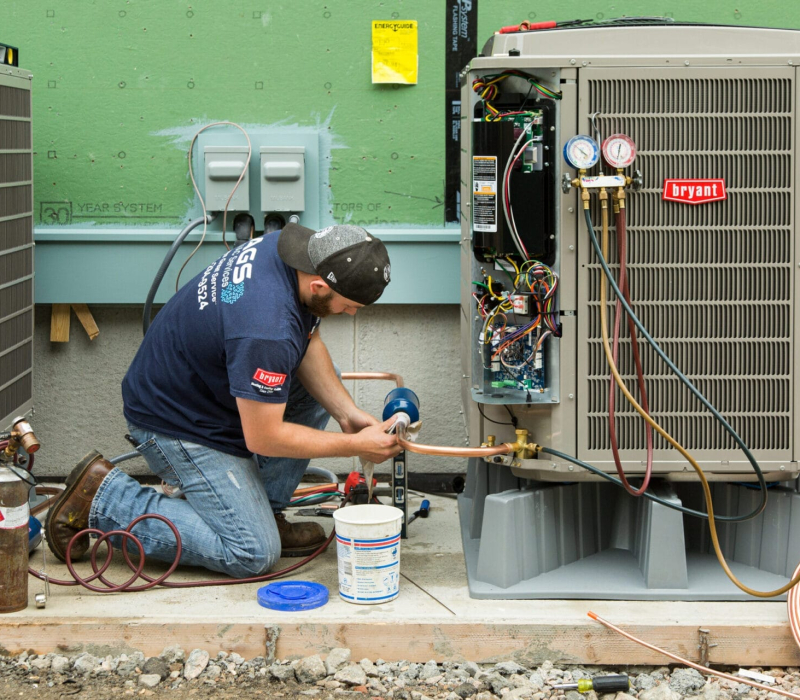
At Plumber On Demand, we specialize in professional central air installation services designed to provide long-lasting comfort, energy efficiency, and reliable performance. Whether you’re installing a brand-new system in a newly built home or upgrading from an outdated or inefficient cooling system, proper installation is critical to performance.
A central air system is more than just an outdoor condenser and indoor coil—it is an integrated system that must be properly sized, configured, and installed to ensure maximum efficiency and comfort. Poor installation can lead to uneven cooling, high energy bills, system breakdowns, and reduced lifespan.
Our technicians ensure every installation is done correctly from start to finish, including load calculations, duct compatibility checks, refrigerant setup, airflow balancing, and system testing.
For professional central air installation, call Plumber On Demand at 905-409-0719.
What Is Central Air Conditioning?
Central air conditioning is a whole-home cooling system that distributes cooled air through ductwork using a central system.
A standard central air system includes:
- Outdoor condenser unit
- Indoor evaporator coil
- Air handler or furnace connection
- Refrigerant lines
- Ductwork system
- Thermostat control
The system works by removing heat from indoor air and transferring it outside.
How Central Air Systems Work
Central air conditioning operates through a continuous cooling cycle:
1. Warm air is drawn from inside the home
2. Air passes through an evaporator coil
3. Heat is absorbed by refrigerant
4. Cooled air is circulated back through ducts
5. Heat is released outside through the condenser
This process repeats continuously to maintain the desired indoor temperature.
Benefits of Central Air Installation
Installing central air provides several advantages:
Whole-Home Comfort
Every room receives consistent cooling.
Quiet Operation
Most equipment is located outside or in utility areas.
Improved Air Quality
Air filters help remove dust and allergens.
Energy Efficiency
Modern systems use significantly less energy than older cooling methods.
Increased Home Value
Central air is a major selling feature for homes.
Signs You Need a New Central Air System
Many homeowners upgrade when older systems begin to fail.
Common signs include:
- Frequent breakdowns
- Rising energy bills
- Uneven cooling
- Weak airflow
- Loud operation
- System age over 12–20 years
Common Problems with Old Cooling Systems
Older or poorly installed systems often experience:
- Refrigerant leaks
- Compressor failure
- Poor duct design
- Inefficient cooling cycles
- Thermostat mismatches
PART 2: Central Air Installation Process and System Types
• Step 1: Home Cooling Load Calculation
Proper installation begins with a detailed load calculation.
We evaluate:
- Square footage
- Insulation levels
- Window exposure
- Home layout
- Climate conditions
This ensures correct system sizing.
• Step 2: System Selection
Choosing the right system is critical for performance.
We help homeowners select from:
- Standard central air systems
- High-efficiency systems
- Two-stage cooling systems
- Variable-speed systems
• Step 3: Ductwork Evaluation
Existing duct systems are inspected for:
- Leaks
- Blockages
- Poor airflow design
- Insufficient sizing
If needed, duct modifications are recommended.
• Step 4: Installation of Outdoor Condenser
The condenser is placed on a stable, level surface and connected to the system.
• Step 5: Indoor Coil Installation
The evaporator coil is installed inside the air handler or furnace system.
• Step 6: Refrigerant Line Installation
Refrigerant lines are installed and sealed to ensure proper cooling flow.
• Step 7: Electrical Connections
Safe electrical wiring is installed and tested for system operation.
• Step 8: System Testing and Calibration
We test:
- Cooling performance
- Airflow balance
- Thermostat communication
- Refrigerant pressure
Types of Central Air Systems
1. Standard Central Air Systems
Reliable and cost-effective cooling systems.
2. High-Efficiency Central Air Systems
Designed to reduce energy consumption and operating costs.
3. Two-Stage Cooling Systems
Operate at different speeds depending on cooling demand.
4. Variable-Speed Systems
Adjust airflow continuously for maximum comfort and efficiency.
Central Air Installation Costs
Costs vary depending on:
- Home size
- System efficiency
- Ductwork condition
- Installation complexity
Factors affecting cost include equipment quality and system design.
Energy Efficiency and SEER Ratings
Central air systems are rated using SEER (Seasonal Energy Efficiency Ratio).
Higher SEER ratings mean:
- Lower energy bills
- Better performance
- Improved efficiency
Modern systems often exceed SEER 16–20+.
Benefits of Proper Installation
Professional installation ensures:
- Maximum efficiency
- Even cooling
- Longer system lifespan
- Reduced repair costs
Common Installation Mistakes
Improper installation can cause:
- Poor airflow
- Refrigerant issues
- High energy bills
- System failure
Central Air Maintenance Tips
To maintain performance:
- Replace filters regularly
- Clean outdoor unit
- Schedule annual tune-ups
- Check thermostat settings
Central Air Repair vs Replacement
Replacement is often better when:
- System is over 15 years old
- Repairs are frequent
- Efficiency is low
Indoor Comfort Improvements
Central air improves:
- Temperature consistency
- Humidity control
- Air cleanliness
Why Central Air Improves Home Value
Homes with central air:
- Sell faster
- Have higher resale value
- Attract more buyers
Why Choose Plumber On Demand
We provide:
- Expert HVAC installation
- Proper system sizing
- High-quality workmanship
- Reliable customer service
- Long-term performance solutions
Frequently Asked Questions
• How long does installation take?
Usually 1–3 days depending on complexity.
• How long do systems last?
Typically 12–20 years.
• Is central air worth it?
Yes, due to comfort and energy efficiency.
• Can central air work without ducts?
No, but ductless systems are an alternative.
Schedule Your Central Air Installation Today
Central air conditioning is one of the most effective ways to keep your home comfortable year-round. However, performance depends heavily on proper installation, system design, and equipment selection.
At Plumber On Demand, we provide professional central air installation services designed to maximize comfort, efficiency, and long-term reliability.
If you’re upgrading or installing a new system, we’re here to help.
Call 905-409-0719 today for expert central air installation services.
Contact Plumber On Demand