
Basement Flood Cheltenham
 (459)
(459)
(459)

Professional Basement Flood Services | Plumber On Demand
Rapid Standing-Water Extraction, Electrical Safety, and Contents Protection After a Sudden Basement Flood
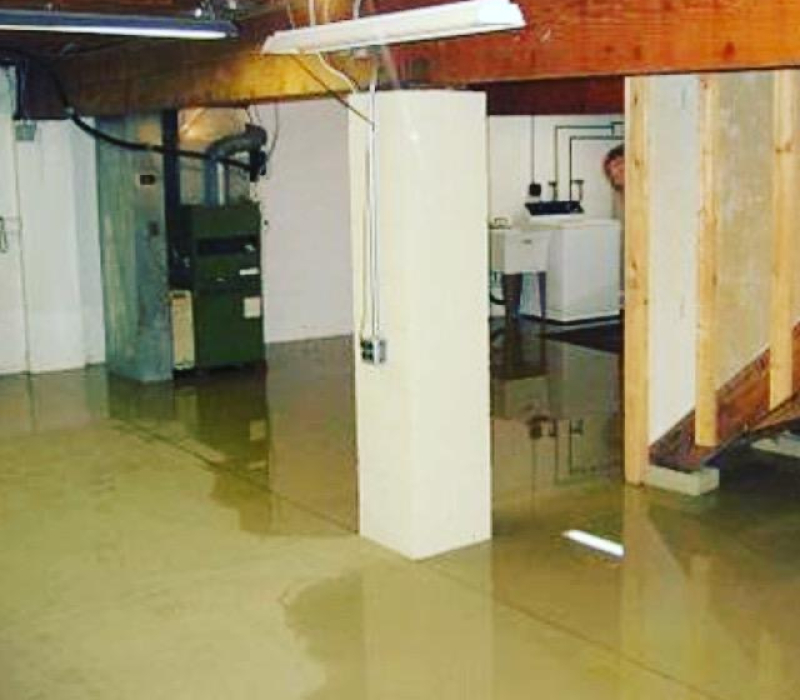
A basement flood is a sudden standing-water event from a storm, burst supply line, failed appliance, seepage, or window well overflow. First priorities are safety, extraction, and lifting contents.
At Plumber On Demand, we provide professional basement flood services focused on emergency extraction and stabilization, including entry paths, electrical risk, and saturated materials.
If you need basement flood service, contact Plumber On Demand today at 905-220-5006.
What a Basement Flood Is
A basement flood means standing water has accumulated on the lower level, from a film across the slab to several inches around stairs and finished rooms.
A flood is defined by the event, not by a single source. Common sources include:
- Stormwater entering through window wells, walkouts, or poorly graded openings
- Burst pipes, failed supply lines, and water-heater tank failures
- Appliance discharges from washers, softeners, or tanks
- Foundation seepage that becomes a pool during heavy rain
- Ice dams or exterior drainage that overwhelms the lower level
- A sump that cannot keep up with incoming groundwater
The shared problem is standing water in contact with finishes and contents. Extraction comes first. Drying and repairs follow after the water is gone.
Why Immediate Basement Flood Response Matters
Standing water does not stay put. It wicks into drywall paper, migrates under floating floors, and soaks cardboard and fabric within minutes to hours.
Waiting can lead to:
- Higher water lines on walls and cabinetry
- Electrical shock hazards if water reaches outlets or appliances
- Furnace, water heater, and electrical panel damage
- Contents that could have been lifted becoming unsalvageable
- Mold growth on wet materials, which can begin within 24–48 hours
- Stronger odors as organic materials stay wet
- Larger demolition scopes if cavities remain saturated
Speed matters more in a flood than in a slow leak because the volume is larger and the contact area is wider.
Common Causes of Sudden Basement Floods
• Storm and Overland Water
Intense rain can overwhelm window wells, stairwells, and ground-level openings. Ponding against the foundation can enter through cracks or door thresholds.
• Plumbing Supply Failures
A burst pipe or failed fitting can release potable water at high volume. Even clean supply water becomes a flood when it sits on a slab.
• Appliance and Tank Failures
Water heaters, washers, and storage tanks can dump many gallons quickly. The flood may be localized at first, then spread across a sloped floor.
• Foundation and Slab Entry
Water can come up through cracks, cold joints, or the wall-floor intersection during a weather event. It still looks like a flood.
• Sump Overload
A working pump can still be overwhelmed. A failed pump, tripped breaker, or frozen discharge line can turn a manageable inflow into standing water.
• Multiple Entry Points
Storms often create more than one path. Window-well overflow plus a struggling sump is still one flood event that needs a single coordinated extraction plan.
Signs You Need Professional Basement Flood Service
Seek help when:
- You see standing water covering part or all of the basement floor
- Water is still entering and you cannot identify or stop the source
- Water is near the electrical panel, furnace, or water heater
- Finished flooring is floating, buckling, or making hollow sounds
- Drywall is staining or softening at the base
- Boxes, furniture, and stored goods are sitting in water
- The sump pit is overflowing or the pump is silent during a storm
- You smell dampness spreading into stairwells or main-floor rooms
If water depth makes it unsafe to enter, stay out and call for professional response rather than wading in to move belongings.
Water Categories During a Basement Flood
Not every flood is sewage, and not every flood is clean. Category still matters for safety and for what can be saved.
• Clean Water (Category 1)
Supply-line breaks and some tank failures start as clean water. Once that water sits or mixes with other sources, the category can change.
• Gray Water (Category 2)
Appliance discharge, some groundwater that has traveled through soil and stored debris, and water that has begun to degrade are often treated as gray water.
• Black Water / Sewage (Category 3)
If the flood includes sewer backup, toilet waste, or mixed surcharge, it is handled as black water. Mixed events need a more conservative sanitation plan.
A sudden basement flood from storm entry or a pipe break may begin as a lower-risk category and still require full extraction because of volume.
Health risks increase when people wade in unknown water, handle wet electrical devices, or sleep in rooms that remain wet.
Electrical Safety and Why You Should Not Wade In
Standing water and electricity are a dangerous combination. Basements often contain:
- Outlets close to the floor
- Extension cords and power strips
- Furnaces, boilers, and water heaters
- Washers, dryers, and freezers
- Sump pumps on dedicated circuits
If water may have reached outlets or appliances, avoid entering until conditions are evaluated. Do not reach into water to unplug devices.
Professional flood response treats electrical safety as the first step, not an afterthought after extraction.
Why DIY Basement Flood Response Is Risky
A mop and a household wet/dry vacuum are rarely enough for a true flood.
Common mistakes include:
- Wading in water near powered equipment
- Using indoor extension cords in standing water
- Moving wet items upstairs and spreading moisture into living space
- Setting ordinary fans on wet carpet, which can drive moisture into walls
- Pulling up only the visible water and leaving water under floating floors
- Waiting overnight “until the rain stops” while contents stay submerged
- Turning on HVAC equipment that may have been splashed
- Assuming a dry-looking slab means cavities are dry
DIY extraction can also miss low spots, window-well interiors, and water trapped under stored piles.
Our Basement Flood Process
A sudden standing-water event needs a clear sequence.
• Safety Screening
We review electrical exposure, water depth, and whether the space is safe to occupy. Utility precautions come before pumps and hoses.
• Source Check and Inflow Control
We look for active pipe discharge, window-well overflow, foundation entry, and sump conditions. Stopping or slowing inflow reduces the final water line.
• Standing-Water Extraction
High-volume extraction removes water from the floor, corners, and accessible low points. Speed at this stage limits wicking into drywall and furnishings.
• Contents Lift and Protection
Furniture, boxes, and salvageable goods are raised or relocated. Items that were fully submerged are separated from items that only had damp bottoms.
• Affected-Material Mapping
We document how far water traveled, which rooms were involved, and which finishes are wet. This map guides drying placement and any removal recommendations.
• Controlled Drying Setup
Air movers and dehumidification are positioned to pull moisture from remaining materials.
• Moisture Monitoring
Drying is not complete when the floor looks dry. Moisture readings help confirm that slabs, plates, and remaining finishes are trending down.
• Repair and Prevention Guidance
You receive next-step recommendations for finishes, mechanical equipment checks, and drainage or plumbing corrections that reduce the chance of a repeat flood.
Basement Flood Response for Residential Properties
Homeowners often face a flood in spaces that mix living area and storage: rec rooms, guest rooms, laundry, and mechanical corners.
Residential flood service typically includes:
- Fast extraction from finished and unfinished zones
- Lifting furniture and packed belongings
- Protecting stairs and main-floor transitions from tracking
- Checking mechanical equipment that sits on the slab
- Explaining which carpets, pads, and baseboards are at risk
The aim is to stabilize the home quickly so drying and repairs can proceed with fewer surprises.
Basement Flood Response for Commercial Properties
Commercial lower levels may hold inventory, records, or mechanical plants. A flood can interrupt operations even if the public floor is dry.
Commercial needs often include:
- After-hours extraction to limit downtime
- Coordination with facility managers and tenants
- Protection of equipment pads and stored goods
- Documentation for owners and insurers
- Access planning in larger floor plates
Plumber On Demand works with businesses to extract standing water and outline a practical drying path without treating the event as a small household spill.
Contents Lift: What to Raise First
In a flood, minutes matter for belongings. A practical lift order is:
- Electronics and important documents, if they are still dry or only damp
- Upholstered furniture legs and wood furniture that can wick
- Boxes of paper, photos, and textiles
- Tools and stored household goods on the floor
- Items blocking access to drains, sumps, or mechanical equipment
Do not stack wet cardboard on dry furniture. Separate wet from dry so moisture does not transfer.
Items that sat in water for hours may still be worth evaluating, but they should not go back onto a wet floor after a quick wipe.
Materials: Saved vs. Replaced After a Flood
Salvage depends on water category, depth, and time wet.
More often salvageable after a lower-category flood with fast extraction:
- Concrete slabs after cleaning and drying
- Some tile over intact mortar
- Solid-wood furniture that is lifted and dried promptly
- Non-porous stored items that were not submerged long
More often replaced or opened up:
- Carpet pad
- Many wall-to-wall carpets after significant standing water
- Swollen laminate and some engineered floors
- Wet drywall and insulation at the base of walls
- Particleboard furniture and cabinets that wicked water
A flood from a clean supply line still ruins pad and some floors if extraction is delayed. Category does not make saturated particleboard reusable.
Cost Factors for Basement Flood Service
Scope is driven by:
- Depth and area of standing water
- Whether water is still entering
- Finished vs. unfinished space
- Contents volume and packing
- Water category and sanitation needs
- How many wall and floor assemblies are wet
- Equipment runtime for drying
- After-hours or storm-related demand
Early extraction often reduces later demolition. Waiting to “see if it goes down” usually increases cost.
Insurance Considerations for Basement Floods
Coverage for a sudden basement flood depends on the water’s origin. Plumbing failures are often treated differently from overland stormwater or seepage.
Useful documentation includes:
- Photos of standing water and the suspected entry point, taken only if safe
- The time the flood was discovered
- Weather conditions, if storm-related
- Which rooms and contents were affected
- A professional description of the source, if it can be identified
Plumber On Demand can record what we see during extraction. We do not guarantee insurance payment. The insurer interprets the policy.
Preventing Another Basement Flood
After the water is gone, prevention should match the source:
- Regrade soil and extend downspouts away from the foundation
- Keep window wells clear and consider well covers where appropriate
- Service the sump pump, backup power, and discharge line
- Inspect supply lines, tanks, and washing machine hoses
- Seal known foundation entry points after a proper diagnosis
- Avoid storing important items directly on the basement floor
- Test alarms on sump pits and water sensors near mechanical equipment
A flood caused by a burst pipe needs plumbing repair. A flood caused by a window well needs drainage work.
Why Choose Plumber On Demand for Basement Flood Service
• Extraction-First Response
We prioritize removing standing water and reducing contact time with finishes and contents.
• Electrical Awareness
Safety around panels, furnaces, and wet outlets is built into the first assessment.
• Contents-Minded Work
Lifting and separating belongings is part of flood stabilization, not an optional extra.
• Source-Aware Planning
Storm entry, pipe failure, and seepage are handled as different problems that can produce the same standing water.
• Clear Next Steps
You leave the visit knowing what was extracted, what still needs to dry, and what should be repaired or monitored.
How Fast Water Spreads Across a Basement Slab
Basement floors are rarely perfectly level. Water runs to drains, pits, and the lowest corner—often where the furnace or storage is located.
Understanding spread helps you:
- Check rooms you cannot see from the stairs
- Look behind stored piles
- Inspect closets and under-stair cavities
- Watch for water tracking up into finished walls
Extraction that only pumps the visible center of the room can leave a hidden pool behind boxes.
When to Shut Off Water and Power
If the flood is from a supply line, shut the main water valve from a dry location. If it is stormwater, the issue is exterior entry or a sump.
Power decisions are about safety:
- If water is near the panel, do not stand in water to operate breakers
- If equipment was submerged, do not “test it” by turning it on
- Sump pumps need power to operate; cutting all power can worsen groundwater flooding
These tradeoffs are why a professional assessment is useful when the source is not obvious.
Finished Basements vs. Unfinished Storage Spaces
Finished lower levels add drywall, trim, carpet, and sometimes bedrooms. The same water depth can mean a much larger restoration scope.
Unfinished spaces still matter. Cardboard, tools, and stored textiles absorb water quickly, and a wet slab can feed humidity into the rest of the house.
Both layouts need extraction. The difference is how much finish material may need opening or replacement after the flood.
Tracking Moisture Into Stairs and Main Floors
Occupants often walk through a flooded basement to reach a panel or to save items. Wet shoes carry water onto stairs, landings, and main-floor finishes.
A complete flood response includes:
- Limiting traffic through wet zones
- Protecting stairs with appropriate coverings when work is underway
- Checking the first few steps and adjacent flooring for transferred moisture
A small tracked-in wet area can be overlooked while the team focuses on the main pool of water.
Contents Triage After Standing Water
Not every wet item should be handled the same way after a flood.
A simple triage helps:
- Dry or barely splashed items: move to a dry floor as soon as it is safe
- Damp bottoms: lift, separate, and dry; do not restack
- Fully submerged porous items: set aside for a keep-or-discard decision
- Unknown-water items: treat more conservatively until category is known
Do not use the main living area as a drying rack for sewage-exposed goods. If the flood source is still unconfirmed, keep wet contents contained.
Mechanical Equipment Sitting in Flood Water
Furnaces, water heaters, boilers, washers, and electrical panels are often on the basement slab. Standing water does not have to be deep to reach them.
After a flood:
- Do not start equipment to “help dry the room”
- Do not reset breakers while standing in water
- Have submerged or splashed equipment inspected before reuse
- Check whether the water heater drain pan overflowed or the tank itself failed
A flood response that extracts the floor but ignores mechanical equipment can create a safety problem as soon as power is restored.
Window Wells, Walkouts, and Perimeter Entry
Sudden basement floods often start at the perimeter even when the center of the room looks like the problem.
Check, when safe:
- Window wells full of water or debris
- Walkout thresholds and door sweeps
- Stairwells from grade to the basement
- Hose bibbs or exterior openings near the wet wall
Perimeter entry can look like a plumbing flood if water runs to the mechanical room.
After Extraction: Opening Floors and Walls
Once standing water is gone, hidden water may remain under floating floors and inside wall cavities.
Opening may be recommended when:
- Laminate or engineered floors sound hollow or peaked
- Baseboards are stained or swollen
- Insulation is wet
- Moisture readings stay high after surface drying
Leaving assemblies closed can trap moisture. Mold on wet materials can begin within 24–48 hours. Opening is a recovery decision, not a cosmetic preference.
Storm Timing vs. Pipe-Failure Timing
A flood during a storm is not automatically stormwater. A flood on a dry day is not automatically a pipe.
Useful questions:
- Was a hose, washer, or water heater in use?
- Did water appear at a window well or only near an appliance?
- Did the sump run, stall, or overflow?
- Is the water relatively clear, silty, or sewage-like?
The answers change extraction safety, sanitation, and which prevention steps come later.
Areas We Serve
Plumber On Demand provides basement flood services for residential and commercial properties.
We work with:
- Homeowners
- Property managers
- Landlords
- Contractors
- Business owners
- Facility managers
- Real estate professionals
Sudden standing-water events in homes, rental units, and commercial lower levels are all within the scope of this service.
Frequently Asked Questions About Basement Floods
• Should I wait until the rain stops to call?
No. Standing water continues to damage materials while it sits. Call as soon as it is safe to do so.
• Is it safe to go in and move furniture?
Only if the water is shallow, the source is known, and there is no electrical hazard. When in doubt, stay out.
• Can I use a household pump or shop vacuum?
Small equipment may help with a tiny spill. A true flood usually needs higher-capacity extraction and a plan for remaining moisture.
• Will the furnace be ruined?
Equipment that was splashed or submerged should be inspected before use. Do not start it to “dry the room.”
• How quickly should contents be lifted?
As soon as it is safe. Many items survive a short contact time and fail after hours of sitting in water.
• Is stormwater in a basement considered sewage?
Not automatically. Storm entry and foundation seepage are different from a drain backup. Mixed events need a category assessment.
• How soon can mold start?
Mold can begin within 24–48 hours on wet materials if drying is delayed.
• Does insurance cover basement floods?
It depends on the water source and the policy. Sudden pipe bursts and overland water are often treated differently. We do not guarantee coverage.
• Do I need to remove drywall after a flood?
Not always. Depth, category, time wet, and whether insulation is wet all matter. Assessment after extraction is the right time to decide.
• What if water went under the floating floor?
Water trapped under laminate or similar systems often requires opening the floor so drying can reach the slab.
• Can I run the dehumidifier I already own?
A single household unit is rarely enough for a flooded basement. Professional drying is sized to the wet area and remaining materials.
• Do you help property managers after tenant floods?
Yes. We support occupied and vacant units and can help document conditions for owners and managers.
Contact Plumber On Demand Today
A basement flood is a standing-water emergency. Extraction, electrical caution, and contents lift should happen quickly.
Plumber On Demand provides professional basement flood services for homes and businesses, with a focus on removing water first.
If you have standing water in a basement after a storm, pipe failure, or sudden seepage, contact Plumber On Demand today.
📞 Call 905-220-5006
Speak with our team about your situation, request an assessment, and learn how our basement flood services can help protect your property and belongings.