
Commercial Drain Cleaning Angus
 (459)
(459)
(459)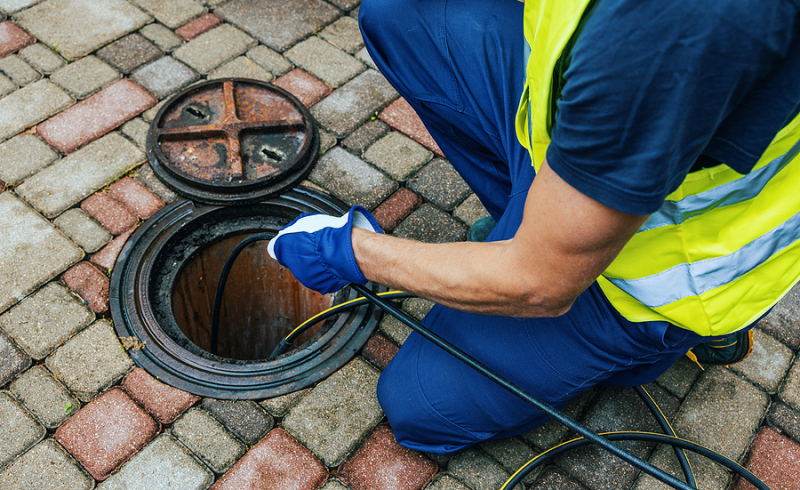
6) Commercial drain cleaning is the scheduled and responsive cleaning of drain systems that serve businesses, not homes. Restaurants, retail floors, offices, warehouses, and multi-unit buildings generate grease, sediment, floor wash water, and waste at a volume that residential bathroom use does not. When a kitchen floor drain slows, a grease interceptor backs up, or a mop sink will not accept water, the problem is an operations issue as much as a plumbing issue.
At Plumber On Demand, we provide professional commercial drain cleaning designed to keep business drain systems moving, limit odor, and reduce the chance of a backup during operating hours. Our technicians clean grease interceptors, kitchen and prep floor drains, mop sinks, restroom groups that serve employees and the public, warehouse floor drains, and roof drains where those lines are part of the building system. The work is planned around the property type and the waste the building actually produces.
Many commercial clogs are predictable. Food service lines collect grease. Retail and warehouse floors collect sediment from carts, packing, and wash-down. Mop sinks collect dirty water and residue from daily cleaning. If those lines are only addressed after a backup, the business absorbs downtime, odor complaints, and in food service, health-code exposure. Recurring commercial drain cleaning exists so those lines are maintained before they fail in front of customers or inspectors.
After-hours service matters in this category. A restaurant cannot lose a kitchen floor drain at dinner. A retail floor cannot sit closed while a mop sink overflows. Cleaning that can be performed before open or after close protects revenue and keeps staff working. Commercial drain cleaning is therefore both a technical service and a scheduling service built around business hours.
If you need commercial drain cleaning, contact Plumber On Demand today at 705-220-2903.
What Is Commercial Drain Cleaning?
Commercial drain cleaning is the professional cleaning of drain lines, interceptors, and related inlets that serve a business occupancy.
A commercial drain system commonly includes:
- Kitchen floor drains
- Prep area drains
- Grease interceptors
- Mop sinks
- Restroom groups for staff and the public
- Warehouse and receiving floor drains
- Interior trench or area drains
- Roof drains where they tie into the building system
- Cleanouts serving those lines
The purpose of the service is to remove grease, sludge, sediment, and other commercial waste from those components so the building can operate. It is not a residential shower-clearing visit, and it is not a one-fixture household call.
Commercial drain cleaning may be a one-time response to a slow floor drain, or it may be a recurring maintenance schedule matched to the business.
Why Commercial Drain Cleaning Is Important
A commercial property depends on drains that keep kitchens, sales floors, restrooms, and work areas usable. When those drains slow or back up, the business loses time, faces odor, and in food service may face health-code findings.
Uncleaned commercial drains often lead to:
- Slow kitchen floor drains
- Grease interceptor overflow
- Mop sink backups
- Odor in prep and dish areas
- Standing water on sales or warehouse floors
- Closed restrooms in an occupied building
- Interrupted receiving or wash-down
- After-hours emergencies that could have been scheduled
Professional commercial drain cleaning protects operations by keeping the lines that serve the business open, and by putting the work on a clock the business can plan around.
Common Signs You Need Commercial Drain Cleaning
Commercial drain problems usually show up at the inlets the staff uses every day.
Recognizing these signs early supports scheduled cleaning instead of an emergency during peak hours.
Slow Kitchen and Prep Floor Drains
Floor drains in food service collect grease, food particles, and wash water.
You may notice:
- Water lingering around the grate
- A drain that will not take a hose-down
- Nearby fixtures gurgling during dish or prep
- Staff routing water around a slow drain
That pattern is a core reason restaurants schedule commercial drain cleaning.
• Grease Interceptor Problems
A grease interceptor that is overdue for cleaning will pass grease downstream or back up toward the kitchen.
Warning signs include:
- Slow kitchen drainage
- Odor at the interceptor
- Heavy grease mat on inspection
- Backup toward floor drains or sinks
Interceptor cleaning is a commercial maintenance task, not a household trap clear.
• Mop Sink Backups
Mop sinks receive dirty water, residue, and occasional solids from daily floor care.
A mop sink that drains slowly or overflows disrupts closing procedures in retail, offices, restaurants, and warehouses. Commercial drain cleaning addresses the mop sink line and the branch it feeds.
• Odor in Commercial Kitchens or Work Areas
Odor at floor drains, interceptors, or mop sinks often means standing waste in the line or a loaded interceptor.
Odor affects:
- Staff working the line
- Customers near a kitchen or restroom corridor
- Health-code impressions in food service
- Occupied office or retail space
Cleaning the commercial drain system removes the source rather than masking it.
• Standing Water on Retail or Warehouse Floors
Area drains and warehouse floor drains take sediment, packaging dust, and wash-down water.
Standing water on a sales floor or in a receiving area is both a slip concern and a sign the drain is not accepting flow. Commercial drain cleaning restores those floor inlets so the space can stay in use.
• Restroom Groups Slowing in an Occupied Building
Offices, retail, and multi-unit properties have restroom groups that serve many users.
When several fixtures in a commercial restroom slow together, the shared commercial line needs cleaning. This is building operations work, not a residential bathroom visit.
• Roof Drain Slowdown After Storms
Where roof drains are part of the building system, debris, sediment, and seasonal material can slow those lines.
A slow roof drain can put water where the business cannot operate. Cleaning those lines, when they are in scope, is part of protecting the property rather than waiting for an interior leak.
Common Commercial Drain Problems and Causes
Commercial lines fail from the waste the business produces and from missed maintenance.
• Grease From Food Service
Restaurants and prep kitchens send grease and food solids into floor drains and interceptors.
Without regular commercial drain cleaning:
- Grease coats kitchen lines
- Interceptors overload
- Floor drains accept water slowly
- Downstream mains restrict
Grease is a commercial waste stream. It is managed with interceptor service and line cleaning, not with household methods.
• Sediment in Warehouse and Retail Floor Drains
Warehouses, receiving docks, and retail back rooms collect grit, cardboard dust, and wash-down residue.
That sediment settles in floor drains and branches until flow is reduced. Cleaning those lines is a commercial maintenance item tied to how the floor is used.
• Mop Sink Residue and Cleaning Chemicals Mixed With Solids
Daily mopping sends dirty water into a dedicated sink.
Problems develop when:
- Residue coats the trap and branch
- Solids settle in the run
- The line is never cleaned on a schedule
- One mop sink serves a large floor
Commercial drain cleaning includes those utility inlets because they are part of how the building is kept open.
• High Occupancy Restroom Load
Office buildings, retail, and multi-unit properties place continuous load on restroom groups.
Paper, soap, and volume of use restrict shared commercial branches. Cleaning those lines on a recurrence protects tenants and customers without treating the property like a single residence.
• Deferred Maintenance Until a Backup
Many commercial backups happen because cleaning was delayed until the drain failed during business hours.
Deferred maintenance causes:
- Peak-hour interruptions
- Health-code risk in food service
- Odor complaints
- After-hours emergency calls
A recurring commercial drain cleaning schedule exists to prevent that pattern.
• Loaded or Neglected Grease Interceptors
An interceptor that is not pumped and cleaned on time will not protect the kitchen lines.
The result is grease in the drain system, slow floor drains, and a higher chance of backup. Interceptor service is a required part of commercial drain cleaning for food service occupancies.
Benefits of Professional Commercial Drain Cleaning
Professional cleaning keeps business plumbing aligned with how the building actually operates.
• Protection of Business Hours
Cleaning can be scheduled after close, before open, or during a known slow period.
That helps:
- Keep kitchens in service
- Keep sales floors open
- Avoid restroom closures during occupancy
- Reduce emergency interruptions
Commercial drain cleaning is valuable because it can be planned around the business.
• Health-Code and Kitchen Hygiene Support
Food service depends on drains that accept wash-down and do not hold waste.
Benefits include:
- Faster kitchen floor drains
- Less standing water in prep areas
- Reduced odor at interceptors and grates
- A cleaner appearance for inspections
This is operational hygiene, not a residential shower issue.
• Odor Control in Occupied Buildings
Removing grease, sludge, and standing waste reduces odor at floor drains, mop sinks, and restroom groups.
Staff, customers, and tenants notice when those inlets smell. Cleaning the commercial system addresses the source.
• Fewer Peak-Time Backups
A line that is cleaned on a schedule is less likely to fail during lunch, close, or a receiving rush.
That reliability is the practical return on recurring commercial drain cleaning.
• A Documented Maintenance Pattern
Recurring service creates a known interval for interceptors, kitchen lines, and floor drains.
Managers can plan around that interval instead of guessing when the next backup will occur.
Types of Commercial Drain Cleaning We Handle
Plumber On Demand cleans drain systems that serve commercial occupancies.
• Restaurant and Food Service Drains
Food service work focuses on kitchen floor drains, prep drains, dish area inlets, and grease interceptors.
Cleaning is matched to grease load and to the hours the kitchen can spare. The goal is a kitchen that can wash down and drain without standing water.
• Retail and Office Floor and Utility Drains
Retail and office properties need mop sinks, back-room floor drains, and restroom groups kept open for staff and the public.
Commercial drain cleaning for these occupancies is about occupancy and appearance, including odor control in corridors and restrooms.
• Warehouse and Receiving Floor Drains
Warehouses collect sediment and wash-down at floor inlets.
We clean:
- Warehouse floor drains
- Receiving area drains
- Utility mop sinks
- Lines that take wash-down water
Those inlets are part of operations, not part of a home bath group.
• Multi-Unit Building Common Drains
Multi-unit properties have shared commercial-scale lines serving common restrooms, trash rooms, and laundry or utility rooms where those exist as building systems.
Cleaning those common lines protects many occupants at once and is scheduled as building maintenance.
• Roof Drains Serving the Building
Where roof drains are relevant to the property, debris and sediment are cleaned so storm water leaves the roof through the intended path.
That work is included when those lines are part of the commercial plumbing or building drain system that must stay clear for the business to operate safely.
Recurring Commercial Drain Maintenance Schedules
Commercial drain cleaning is most effective when it is repeated on an interval that matches the waste load. The schedule is a business decision supported by plumbing conditions. Too long an interval produces backups and odor. Too short an interval wastes visits.
• Food Service Intervals
A restaurant kitchen may need interceptor service and kitchen line cleaning on a frequent cycle because grease never stops.
The interval should reflect:
- Kitchen volume
- Interceptor size
- How fast floor drains reload
- Prior backup history
After the first few services, the interval can be tightened or stretched based on what is actually recovered from the lines.
• Warehouse and Retail Intervals
A warehouse or retail floor drain may need a longer interval based on sediment and wash-down.
Receiving areas and back rooms still benefit from a calendar, because sediment builds quietly until a mop sink or floor inlet fails during receiving or close.
• Office and Multi-Unit Intervals
An office restroom group or multi-unit common line may need occupancy-based cleaning rather than a food-service rhythm.
High occupant count, public restrooms, and shared mop sinks are the usual drivers. Recurring commercial drain cleaning for these buildings is building operations, not a household plan.
• Using the Schedule for After-Hours Planning
Once the interval is known, visits can be placed on nights or mornings the business already expects to be closed or lightly staffed.
That is how recurring maintenance protects open hours instead of competing with them.
Grease Interceptor and Kitchen Line Cleaning
Grease interceptors are a defining part of restaurant drain systems. An interceptor holds grease so it does not coat the downstream line. If it is not cleaned, it stops performing that job.
• Interceptor Pumping and Cleaning
Commercial drain cleaning for food service includes opening, pumping, and cleaning the interceptor.
This work removes:
- The grease mat
- Settled solids
- Odor-producing waste
- Volume that would otherwise pass downstream
An interceptor that is full cannot protect kitchen floor drains or the main.
• Kitchen Floor Drain Cleaning
Kitchen floor drains are not cleaned like a household lavatory.
They take:
- Hose-down water
- Food solids
- Grease film
- Prep and dish area residue
Professional cleaning removes that accumulation so the grate is not sitting over a restricted pipe. The kitchen can then wash down and drain.
• Why Interceptor Service and Line Cleaning Belong Together
Cleaning only the interceptor leaves coated kitchen branches. Cleaning only a floor drain leaves a loaded interceptor ready to push grease back.
Food service commercial drain cleaning treats both as one system.
After-Hours Commercial Drain Cleaning
After-hours work is part of commercial drain cleaning because a backup during service hours costs more than the cleaning itself. Scheduling does not change the technical work. It changes when the technician occupies the kitchen, the sales floor, or the restroom group.
• Restaurants and Food Service After Close
Kitchens often cannot lose a floor drain or interceptor access during service.
Cleaning after close or before open keeps prep, dish, and line work on schedule the next day.
• Retail and Warehouse Off-Peak Windows
Retail floors and warehouses prefer cleaning when customers and receiving traffic are gone.
A mop sink overflow at close, or standing water in an aisle, is an operations failure. Off-peak commercial drain cleaning prevents that scene.
• Offices and Multi-Unit Common Areas
Offices may prefer early morning or evening so restroom groups remain available during the business day.
Multi-unit common restrooms, trash rooms, and utility mop sinks can be scheduled to limit disruption to occupants while still keeping shared lines clean.
Health Code, Odor, and Slow Floor Drain Concerns
Food service health expectations include drains that work and do not hold waste in the open. These are operations and hygiene problems, not cosmetic plumbing complaints.
• Slow Floor Drains in Kitchens
A slow kitchen floor drain leaves standing water where food is prepared or dishes are handled.
Wash-down water has to go somewhere. If it sits, the kitchen cannot meet a basic cleanliness standard.
• Odor From Interceptors and Floor Inlets
An interceptor odor travels into the kitchen. Floor drain odor in retail, offices, or warehouses travels into occupied space.
Commercial drain cleaning removes the grease, sludge, and standing waste that produce that odor.
• Mop Sink Overflow and Occupied Floors
A mop sink backup puts dirty water where staff walk, including during close.
That is a slip concern and a hygiene concern in every commercial occupancy, not only in restaurants.
Commercial Waste Streams by Occupancy
Different businesses load drains in different ways. Commercial drain cleaning is matched to that waste, not to a residential fixture list.
• Restaurant Grease and Food Solids
Food service sends grease and food particles into floor drains and interceptors.
That waste stream is the reason kitchen lines and interceptors need a short recurrence.
• Retail and Office Occupancy Waste
Retail and offices load mop sinks, restroom groups, and back-room floor drains through daily occupancy and cleaning.
The volume is lower in grease, but the building still cannot operate if those inlets fail during open hours.
• Warehouse Sediment and Wash-Down
Warehouses send grit, packaging dust, and wash-down water into floor drains.
Sediment is the typical restriction. Cleaning those inlets is commercial maintenance tied to receiving and floor care.
• Multi-Unit Shared-Line Load
Multi-unit common systems take restroom, trash room, and utility waste from many occupants.
Cleaning the shared commercial lines protects the building as a whole rather than one dwelling.
The Commercial Drain Cleaning Process
At Plumber On Demand, we follow a process suited to business occupancies and to the drains those occupancies actually use.
• Step 1: Occupancy and System Review
We identify the property type and the drains that matter to operations.
That may include:
- Kitchen and prep floor drains
- Grease interceptors
- Mop sinks
- Restroom groups
- Warehouse floor drains
- Roof drains when relevant
• Step 2: Access and Condition Check
We locate cleanouts, interceptor lids, floor drain openings, and other commercial access points.
This step shows whether the restriction is grease, sediment, or another commercial waste load.
• Step 3: Cleaning Plan and Scheduling
We recommend whether the visit is a one-time cleaning or the start of a recurring schedule.
When the business cannot stop during the day, we plan after-hours or off-peak work.
• Step 4: Cleaning Completion
Grease interceptors, floor drains, mop sinks, and related commercial lines are cleaned with professional equipment suited to those systems.
The work stays on the commercial inlets and mains, not on a residential bath fixture list.
• Step 5: Flow Verification and Next Interval
We confirm that floor drains, mop sinks, and other served inlets accept water, then discuss the next maintenance interval when recurring service is appropriate.
Why Customers Choose Plumber On Demand
Businesses trust Plumber On Demand because we treat commercial drain cleaning as operations support, not as a household drain call.
• Experienced Technicians
Our team works on restaurant interceptors, commercial floor drains, mop sinks, warehouse inlets, and multi-unit common lines.
• Thorough Inspections
We identify which commercial lines are loaded and whether grease, sediment, or occupancy load is driving the restriction.
• Professional Workmanship
Every commercial drain cleaning visit is completed with equipment and methods matched to interceptors, floor drains, and business waste streams.
• Honest Recommendations
We recommend a realistic maintenance interval and after-hours timing when the business cannot absorb downtime.
• Customer-Focused Service
Your hours, your occupancy, and your health-code or odor concerns remain the priority. We schedule the work to protect the business.
Frequently Asked Questions About Commercial Drain Cleaning
• Is Commercial Drain Cleaning Different From Residential Drain Service?
Yes.
Commercial drain cleaning focuses on restaurants, retail, offices, warehouses, and multi-unit common systems, including grease interceptors, floor drains, and mop sinks. It is not a residential shower or household bathroom service.
• Do You Clean Grease Interceptors?
Yes.
Grease interceptor cleaning is a standard part of commercial drain cleaning for food service occupancies.
• Can You Work After Hours?
Yes.
After-hours and off-peak scheduling is often the right choice so kitchens, sales floors, and restroom groups stay available during business hours.
• How Often Should a Restaurant Schedule Drain Cleaning?
The interval depends on grease load, kitchen volume, and interceptor size.
Many food service properties need a recurring schedule rather than a single visit. We recommend an interval based on how fast the lines and interceptor reload.
• Do You Clean Warehouse and Retail Floor Drains?
Yes.
Warehouse, receiving, and retail floor drains, along with mop sinks, are common commercial drain cleaning applications.
• Can Slow Floor Drains Create Health-Code Problems?
In food service, standing water, odor, and drains that will not accept wash-down can become inspection and hygiene concerns. Cleaning those drains is part of keeping the kitchen operable.
• Is Recurring Maintenance Necessary If the Drains Are Working Today?
Working drains can still be loading with grease or sediment. Recurring commercial drain cleaning is how businesses avoid a backup during peak hours.
Schedule Professional Commercial Drain Cleaning Today
Commercial drain cleaning keeps the drain systems that serve a business in working order. Restaurants need kitchen floor drains and grease interceptors cleaned before grease stops the line. Retail, offices, warehouses, and multi-unit properties need mop sinks, floor drains, and restroom groups that can handle occupancy without odor or overflow. This work is scheduled around the business, including after hours, so operations are not the price of a clean drain.
Professional service also means a maintenance interval, not only a single emergency visit. Grease and sediment return with every shift. A recurring schedule is how managers stay ahead of health-code, odor, and slow floor drain problems.
At Plumber On Demand, we provide commercial drain cleaning for food service, retail, offices, warehouses, and multi-unit common systems. If your kitchen floor drains are slow, your interceptor is due, your mop sink is backing up, or you need after-hours cleaning to protect open hours, our technicians are ready to help.
Do not wait for a backup during peak business. Schedule commercial drain cleaning on a plan that matches how your property actually operates.
• Call Plumber On Demand today at 705-220-2903 to schedule professional commercial drain cleaning and protect your business from backups, odors, and downtime.
Contact Plumber On Demand