
Insurance Claims Support Cheltenham
 (459)
(459)
(459)

Insurance Claims Support | Plumber On Demand
Professional Documentation for Water, Flood, and Fire Losses
After a sudden leak, basement flood, or fire, cleanup is only part of the problem.
Insurers typically rely on evidence: photos, moisture readings, drying records, and a clear scope of work.
Without that record, details disappear as materials are removed and rooms are put back together.
At Plumber On Demand, insurance claims support means professional documentation for water, flood, and fire-related losses.
We do not file claims, and we do not decide or guarantee coverage.
Coverage is determined by your policy and your insurer. We provide dated photos, moisture logs, drying records, and written scopes so you can communicate clearly with your adjuster.
If you need documentation support after a water, flood, or fire loss, contact Plumber On Demand today at 905-220-5006 to schedule an assessment.
What Insurance Claims Support Means
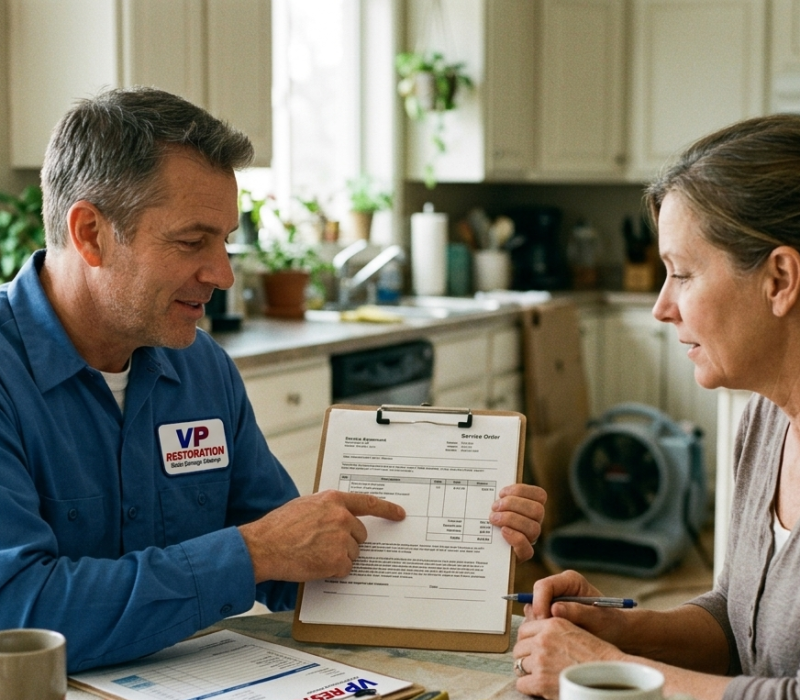
Insurance claims support is a documentation service that sits alongside restoration work.
It is not legal representation, a public-adjuster service, or a promise that a claim will be paid. It is the professional record of conditions and work.
Support typically includes:
- Photo documentation of affected areas before, during, and after work
- Moisture readings and moisture maps where water was involved
- Drying logs that show equipment use and progress toward drying goals
- A written scope of work describing what was found and what was done
- Clear notes that help you discuss the loss with an adjuster
The goal is a file you can share: what was damaged, where moisture traveled, how drying was measured, and which materials were removed or cleaned.
What This Service Is Not
Limits matter so expectations stay realistic.
Plumber On Demand does not:
- File a claim for you
- Speak as your legal representative
- Guarantee that any item will be covered
- Promise a specific payout or a particular settlement outcome
- Interpret your policy as legal advice
- Pressure you to open a claim you do not want to open
You remain the policyholder. You contact your insurer, open a claim if you choose to, and make coverage decisions with your adjuster.
Our role is to document conditions and work so that conversation has a factual basis.
Why Documentation Matters After a Loss
Water and fire damage change quickly. Wet drywall is removed. Soot is cleaned. Rooms are dried. If photos and readings are not captured early, later questions are harder to answer.
Documentation helps because:
- Wet materials may be discarded before an adjuster visits
- Hidden moisture is not obvious in a walk-through days later
- Drying progress is measured, not guessed
- Scopes explain why certain demolition or cleaning was needed
- Dates and sequences show how the loss unfolded
Adjusters often ask what was wet, how wet it was, how long it stayed wet, and what was done. Moisture logs and photos answer those questions more reliably than memory.
When Insurance Claims Support Is Needed
Documentation support is useful whenever a loss may be discussed with an insurer, property manager, landlord, or building owner—even if you have not decided whether to file a claim.
Common situations include:
- A sudden pipe burst that soaked walls, ceilings, or flooring
- A supply-line failure at a toilet, washing machine, or water heater
- A drain or sewer backup into a basement or lower level
- Overland water entry during a storm (coverage often differs from a burst pipe)
- Fire, smoke, or soot damage, including water used during firefighting
- A dual loss: fire damage plus water from suppression efforts
- Disputes about how far moisture traveled behind finishes
- Follow-up visits after initial extraction and drying
If you are unsure whether a claim is worthwhile, documentation still helps you describe the event accurately. Filing remains your decision.
Water, Flood, and Fire Losses We Document
• Sudden Plumbing Failures
Burst pipes, failed fittings, and appliance supply-line breaks often create a sudden water event.
Photos of the source, wet path, and affected rooms help distinguish this from gradual seepage or outdoor flooding.
• Interior Flooding and Basement Events
Basement flooding may involve clean water, grey water, or sewage.
Documentation should capture water height, affected contents, and which materials were saturated—not only the floor that looks wet.
• Fire, Smoke, and Soot
Fire losses need a different photo set: charred structure, soot staining, smoke odor sources, and HVAC pathways.
When firefighters use water, the file should also show water damage as a separate part of the same event.
• Combined Events
Some losses are not one category. A kitchen fire may wet cabinets. A frozen-pipe burst may coincide with storm seepage. Clear notes keep those causes from being mixed together later.
Photo Documentation That Holds Up in Conversation
Photos are often the first thing an adjuster reviews. Useful photos are specific, dated, and tied to rooms—not a handful of wide shots taken after cleanup.
Helpful photo sets usually include:
- The apparent water or fire source, if it is safe to photograph
- Room-by-room views before demolition or cleaning
- Close-ups of staining, swelling, soot, or char
- Moisture meter readings on the material being tested
- Contents that were affected, relocated, or discarded
- Progress photos as materials are opened, dried, or removed
- Completion photos of cleaned or dried areas
We organize photos so they can be shared as a set, not as an unsorted camera roll.
Moisture Logs and Why Numbers Matter
For water-related losses, “it looked dry” is not a measurement. Moisture meters, thermo-hygrometers, and drying goals record how wet materials were and when they reached a stable condition.
A moisture log typically records:
- Date and time of readings
- Room or assembly being tested (wall, subfloor, trim, concrete)
- Meter type and reading
- Indoor temperature and relative humidity when relevant
- Comparison to unaffected (dry-standard) materials in the same building
- Notes on hidden cavities, insulation, or flooring systems
These logs support drying decisions and later questions about whether drying was complete before rebuild.
Drying Records and Equipment Notes
Drying is a process, not a single visit. Records of equipment use and periodic readings help explain why drying took a certain number of days and why materials were opened.
Drying records may include:
- Extraction and initial stabilization notes
- Equipment types and locations
- Daily moisture and humidity readings
- Adjustments when drying stalled
- The point at which drying goals were met
- Recommendations if materials could not be dried in place
This is documentation of work performed—not a coverage opinion. Your insurer decides what drying or replacement is eligible under the policy.
Scope of Work: What Was Found and What Was Done
A scope of work is a written description of conditions and tasks. It connects photos and readings to the work that was actually performed.
A typical scope may cover:
- Event description as reported (for example, a failed supply line)
- Areas inspected and areas found affected
- Category of water when that distinction is relevant (clean, grey, or sewage-related)
- Materials recommended for drying versus removal
- Cleaning, antimicrobial, or odor steps when they apply
- Fire/soot cleaning and contents handling when the loss includes smoke
- Limitations (inaccessible areas, occupant decisions, safety holds)
The scope describes professional recommendations and completed work. It does not state that the insurer must pay for every line item.
Communicating With Adjusters
Clear, organized files reduce back-and-forth with adjusters.
When you (or your property manager) speak with an adjuster, it often helps to have:
- A simple timeline of when the loss was discovered and when work started
- Photo sets labeled by room
- Moisture logs and drying records
- The written scope
- Notes on what was discarded and why (safety, sewage, unsalvageable materials)
- Contact information for the restoration team performing the work
We can explain our reports and readings if your adjuster has technical questions.
We do not negotiate your settlement or claim to “get the claim approved.” Those outcomes belong to the insurer and the policy.
Common Policy Gaps Property Owners Should Understand
Policies vary widely. The following are general educational notes, not advice about your specific coverage. Always confirm terms with your insurer or broker.
• Sudden Pipe Burst vs. Overland Flood
A sudden burst of an interior supply pipe is often treated differently from water that enters from outdoors during a storm.
Overland flooding, sewer surcharge, and water that seeps through foundation walls may fall under different coverages—or be excluded unless an endorsement exists.
Documentation should show the water’s path and likely source as observed, without stretching the facts to fit a coverage category.
• Sewer Backup Endorsements
Many standard policies limit or exclude sewer and drain backup. A separate sewer backup endorsement is often required.
If sewage entered through a floor drain, toilet, or broken waste line, photos of the entry point matter. We document what we see; we do not label the event as “covered.”
• Gradual Damage and Maintenance Issues
Long-term leaks, wear, and lack of maintenance are frequently treated differently from a sudden failure.
If staining suggests an old leak plus a new event, honest documentation of both is more useful than one oversimplified story.
• Fire vs. Smoke-Only vs. Firefighting Water
A charred kitchen, a smoke-only apartment above a fire, and a home soaked by hose lines are different scopes.
Mixing them in one vague description can confuse the file. Separate notes for heat damage, soot, odor, and water keep the record accurate.
• Contents vs. Building (Structure)
Personal property and the building itself are often handled under different parts of a policy.
Inventories, pack-out lists, and photos of contents support those conversations. Coverage still depends on your policy.
Our Insurance Claims Support Process
Every loss is different, but documentation usually follows a consistent sequence.
• Initial Call and Safety Check
We gather the event history, confirm it is safe to enter, and identify whether water, fire, or both are involved.
• On-Site Assessment
We inspect affected rooms, look for hidden moisture or smoke pathways, and note materials that may be removed soon.
• Photo Set Capture
We photograph sources, damage, contents, and meter readings before conditions change.
• Moisture Mapping (When Water Is Present)
We take readings on walls, floors, and other assemblies and compare them with unaffected materials when possible.
• Written Scope
We outline recommended work: extraction, drying, removal, cleaning, or fire/soot steps as applicable.
• Work Records During Restoration
If drying or cleaning proceeds, we keep logs that match the work actually performed.
• Handoff Package
You receive organized photos, logs, and scope notes you can share with your insurer if you file a claim.
Insurance Claims Support for Residential Properties
Homeowners and tenants often need documentation when a loss affects:
- Basements and lower levels
- Kitchens and laundry rooms
- Bathrooms and supply-line failures
- Ceilings under bathrooms or roofs
- Bedrooms and living areas after a burst pipe or fire
- Attached garages and mechanical rooms
- Contents, furniture, and stored items
We help households capture a clear record without turning the visit into a coverage argument. You decide whether to call your insurer.
Insurance Claims Support for Commercial Buildings
Commercial losses often involve more stakeholders: owners, tenants, facility managers, and insurers.
Documentation for commercial sites may need to address:
- After-hours or occupied-space access
- Multiple suites or shared mechanical rooms
- Business interruption questions (we document conditions; we do not calculate lost income)
- HVAC smoke or moisture pathways
- Health and safety holds after sewage or fire
- Coordination with other trades
Clear scopes help building owners discuss repairs with insurers and tenants without relying on informal emails alone.
Common commercial property types include:
- Offices
- Retail spaces
- Restaurants and kitchens
- Warehouses
- Multi-unit residential buildings
- Service and healthcare facilities
Support for Property Managers and Landlords
Managed properties often need a file that can be shared with owners, insurers, and occupants.
We assist with:
- Rapid documentation after a tenant-reported leak or fire
- Unit-by-unit notes when more than one suite is affected
- Photos that show common-element vs. in-suite damage as observed
- Moisture logs for drying in occupied buildings
- Scopes that support vendor and insurer conversations
We do not file the building’s claim. We provide the restoration and documentation record the manager can attach to their own report.
Cost and Scope Factors
The cost of documentation and related restoration work depends on the loss—not on a promised insurance result.
Factors that influence scope include:
- Size of the affected area
- Number of rooms and floors involved
- Whether water, fire, smoke, or all three are present
- Duration of drying and frequency of monitoring visits
- Sewage or contaminated water requiring extra safety steps
- Contents pack-out and inventory needs
- How much demolition is required to reach wet or soot-impacted cavities
A small supply-line leak is a different file from a multi-floor fire with firefighting water. Estimates describe work and documentation—not what an insurer will reimburse.
Related Insurance Notes (Not Coverage Advice)
Property owners often ask restoration teams to “talk to insurance.” We can share technical reports. We cannot replace your broker, adjuster, or legal counsel.
Keep in mind:
- Deductibles, limits, and endorsements are between you and your insurer
- Mitigation (stopping further damage) is often expected; timelines still vary by policy
- You may be asked to keep damaged items until they are inspected
- You may be asked for receipts, contractor invoices, and drying logs
- Additional living expense or business interruption, if available, is a policy question—not something we calculate or guarantee
If an adjuster requests more photos or a revised scope, we can update the file based on what is observed on site.
Benefits of Hiring Plumber On Demand for Claims Documentation
When you choose Plumber On Demand, documentation is built into the restoration visit—not a pitch about settlements.
• Evidence First
Photos, moisture logs, and scopes are created to describe conditions, not to argue a coverage theory.
• Water and Fire Context
We document plumbing failures, flooding, smoke, soot, and firefighting water as distinct parts of the same event when they overlap.
• Clear Limits
We will not claim to file your claim, win your claim, or secure a particular payment.
• Residential and Commercial Files
Homeowners, landlords, property managers, and facility teams receive organized records they can share.
• Straightforward Communication
We explain what the readings mean and what work we recommend, in language you can repeat to an adjuster.
Building a Timeline of the Loss
Adjusters often start with chronology. A short timeline is one of the most useful extras you can keep.
A practical timeline includes:
- When the loss was discovered
- When the water was shut off or the fire was extinguished (as you know it)
- When occupants were able to re-enter
- When extraction, board-up, or drying started
- When materials were removed
- When drying goals were met or when rebuild started
We help capture dates from our visits. You add household or building dates we would not know, such as when a tenant first reported a smell.
Contents, Salvage, and What to Keep
People often throw things away too early—or keep items that create odor and contamination problems.
Documentation support for contents may include:
- Photos of damaged furniture, textiles, and stored goods
- Notes on items that are unsalvageable vs. candidates for cleaning
- Pack-out lists when contents are moved for drying or soot cleaning
- A reminder to ask your insurer before discarding high-value items when it is safe to wait
Sewage-soaked porous items and heavily charred contents are often treated differently from lightly smoke-exposed hard goods. We describe condition; we do not assign dollar values.
Areas We Serve
Plumber On Demand provides insurance claims documentation support for residential and commercial properties across a wide range of communities.
We work with:
- Homeowners and occupants
- Landlords
- Property managers
- Business owners
- Facility managers
- Contractors coordinating restoration
- Real estate professionals handling a damaged listing
- Building owners preparing files for their insurer
Schedule Insurance Claims Support Today
If you have a water, flood, or fire loss and need a professional record—not a promise of payment—Plumber On Demand can help with photos, moisture logs, drying records, and a written scope of work.
Contact Plumber On Demand today at 905-220-5006 to discuss documentation support for your property.
Frequently Asked Questions About Insurance Claims Support
• Do you file the insurance claim for me?
No. You file with your insurer if you choose to. We provide documentation and restoration records.
• Can you guarantee my claim will be covered?
No. Coverage depends on your policy, endorsements, deductibles, and the insurer’s review. We do not guarantee coverage or any payment amount.
• What documents do you typically provide?
Photo sets, moisture logs when water is involved, drying records when drying is performed, and a written scope of work.
• Will you talk to my adjuster?
We can explain our reports, photos, and moisture readings. We do not negotiate your settlement.
• Is sewer backup usually covered?
Not always. Many policies exclude or limit sewer backup unless you have a specific endorsement. We document the event; your insurer applies the policy.
• Is storm water the same as a burst pipe for insurance?
Often no. Sudden interior plumbing failures and overland or flood water are frequently treated as different causes. Confirm details with your insurer.
• Should I throw damaged items away before the adjuster comes?
If items are a safety hazard, follow safety first. When it is safe, photograph items and ask your insurer before discarding high-value contents.
• Do I have to file a claim to hire you?
No. Many customers need extraction, drying, or fire/soot cleanup whether or not they involve insurance.
• What if my policy has a large deductible?
That is your decision. We can describe the likely work so you can weigh next steps with your insurer or broker. We do not advise you to file or not file.
• Can you help after a fire that also has water damage?
Yes. We document smoke, soot, char, and firefighting water as related parts of the same event.
• Do you tell the insurer how much they should pay?
No. We describe work, materials, and conditions. Job pricing is not a demand that the insurer pay a particular amount.
• How do I get started?
Call Plumber On Demand at 905-220-5006 to describe the loss and schedule an assessment.
Contact Plumber On Demand Today
Water, flood, and fire losses move quickly. A clear record of photos, moisture readings, drying logs, and scope of work helps you communicate with your adjuster.
Documentation is not the same as coverage.
Plumber On Demand provides insurance claims support as evidence and reporting for residential and commercial clients. We do not file claims or guarantee outcomes.
If you need documentation after a loss, contact Plumber On Demand today.
📞 Call 905-220-5006
Speak with our team about your situation, request an assessment, and learn how our documentation can support a clearer conversation with your insurer.