
Flood Cleanup Cheltenham
 (459)
(459)
(459)

Professional Flood Cleanup Services | Plumber On Demand
Cleaning, Sanitizing, and Contents Recovery After Flooding
Flood cleanup is the work after water enters a building—not the rebuild. Silt, soaked belongings, and odor must be handled before drying.
At Plumber On Demand, we provide flood cleanup for homes and commercial buildings. We handle silt, contents sorting, cleaning, sanitizing, and odor control.
If you need flood cleanup after a plumbing failure or indoor flooding event, contact Plumber On Demand today at 905-220-5006.
What Flood Cleanup Means
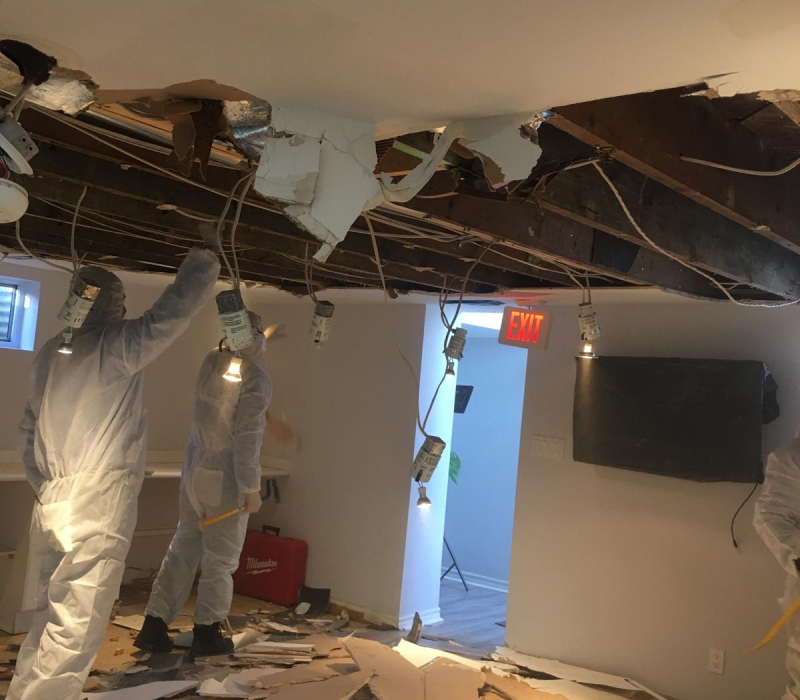
Flood cleanup removes residue: water, mud, silt, debris, damaged contents, and contamination. Restoration rebuilds finishes after the space is dry.
Professional flood cleanup may include:
- Standing water removal support and wet debris handling
- Silt, sediment, and mud removal from floors and contents
- Sorting belongings into salvageable, cleanable, and discard piles
- Cleaning of hard surfaces such as concrete, tile, metal, and some cabinetry
- Sanitizing of affected rooms based on water category
- Odor reduction after contaminated or stagnant water
- Documentation of damaged items for insurance and next-step planning
Cleanup decisions depend on how long water sat, what it touched, and whether the water was clean supply water, gray water, or sewage-related.
Why Flood Cleanup Is Important
A flood does not end when water recedes. Residue can stain, smell, and support mold. Contaminated water can leave bacteria on surfaces that look merely dirty.
Prompt flood cleanup helps:
- Reduce contamination on floors, walls, and furnishings
- Limit odor that becomes harder to remove over time
- Protect salvageable contents from further staining and decay
- Make drying and restoration work safer and more effective
- Document losses clearly for insurance claims
- Lower the chance that occupants return to an unsanitary space
Waiting to “let things dry on their own” often leaves mud, odor, and hidden dampness in place.
Common Causes of Flooding That Require Cleanup
Indoor flooding that needs cleanup can come from plumbing, appliances, weather-related seepage, or a combination of events.
Typical sources include:
- Burst or leaking supply pipes
- Failed water heaters and overflowing tanks
- Washing machine hose and drain failures
- Toilet overflows and drain backups
- Sump pump failures and basement seepage
- Roof leaks that soak ceilings and then living spaces
- Stormwater entry through doors, windows, or foundation openings
Even a short event can leave a lot of residue. A few inches of water can soak carpet, boxes, furniture, and baseboards.
Signs You Need Professional Flood Cleanup
Cleanup is often needed when:
- Water has receded but silt, mud, or film remains on floors
- Carpet, padding, or rugs are still wet or stained
- Furniture, boxes, and stored items sat in floodwater
- A musty, sour, or sewage-like odor is present
- Walls have a dirt line or staining at the water level
- Contents were moved in a hurry and are now mixed wet and dry
- You are unsure which items are safe to keep
If water involved a drain backup, toilet overflow, or outdoor floodwater, professional cleanup is especially important.
Category 1, Category 2, and Category 3 Water
Cleanup methods change based on water type. Appearance is not a reliable guide, because clean water can become contaminated after it sits.
• Category 1 (Clean Water)
Category 1 water comes from a sanitary source, such as a supply line. Even clean water can become a higher category if it sits.
• Category 2 (Gray Water)
Gray water may contain contaminants from washing machines, dishwashers, or some overflows. Cleanup usually includes more thorough sanitizing.
• Category 3 (Black Water)
Black water includes sewage, some toilet backups, and many outdoor floodwaters. Porous materials that absorbed it are often discarded rather than cleaned.
Plumber On Demand helps identify the likely water category so cleaning and disposal match the actual risk—not how the room looks after the water is gone.
What Gets Thrown Out vs. What Can Be Cleaned
One of the hardest parts of flood cleanup is deciding what to keep. Not every wet item is ruined, and not every item that “looks fine” is safe to retain.
• Items Often Discarded
Porous materials that absorbed contaminated water are frequently unsalvageable:
- Carpet padding and many wet carpets after dirty water
- Upholstered furniture that sat in floodwater
- Mattresses and box springs
- Paper goods, books, and cardboard boxes
- Insulation that wicked moisture
- Particleboard furniture and swollen cabinets
- Stuffed toys and similar soft contents after gray or black water
• Items That Can Often Be Cleaned
Non-porous and some semi-porous items may be salvageable depending on water category and exposure time:
- Metal furniture frames and appliances with intact interiors
- Solid wood pieces if dried and cleaned promptly
- Tile, concrete, and many hard flooring surfaces
- Glass, plastic, and sealed items
- Some clothing and washable textiles after clean or limited gray water
- Tools, hardware, and many contents stored in plastic bins
Cleanup teams sort as they go so salvageable items are not left sitting in silt, and unsalvageable items are not mixed back into clean rooms.
Why DIY Flood Cleanup Is Risky
After a flood, the instinct is to start mopping and hauling wet furniture outside. Unplanned cleanup can spread contamination.
DIY flood cleanup may:
- Push silt into drains, HVAC returns, and wall cavities
- Spread contaminated water to previously dry rooms on shoes and tools
- Discard items that could have been cleaned, or keep items that should be thrown out
- Miss residue under appliances, behind baseboards, and in floor seams
- Leave odor sources in wet padding, boxes, and wall cavities
- Create incomplete photo records for insurance
- Expose occupants to contaminated water without appropriate protection
Professional cleanup is structured: water category, contents decisions, sanitizing, and documentation happen together instead of as an afterthought.
Our Flood Cleanup Process
Every flood is different, but cleanup typically follows a clear sequence so residue is removed instead of relocated.
• 1. Safety and Scope Assessment
We review how the water entered, how long it was present, and what it contacted. Water category informs how cleanup begins.
• 2. Extraction and Wet Debris Removal
Standing water and saturated debris are removed so cleaning can start on a stable surface. Unsalvageable wet materials are bagged and separated.
• 3. Silt, Sediment, and Mud Removal
Floodwater often leaves a film of silt. We remove sediment so it is not ground in during later drying or restoration.
• 4. Contents Pack-Out and Sorting
Belongings are grouped as cleanable, dry-in-place, or discard. This protects salvageable items and keeps contaminated materials out of unaffected rooms.
• 5. Surface Cleaning
Hard surfaces are cleaned according to the material and water category, including floors, baseboards, some cabinetry, and appliance exteriors.
• 6. Sanitizing of Affected Areas
Sanitizing is planned around contamination level. Gray and black water events require more conservative treatment than a brief clean-water leak.
• 7. Odor Source Removal
Odor after a flood usually comes from wet organic material, silt, and contaminated goods. Removing those sources works better than fragrance.
• 8. Documentation and Next-Step Guidance
You receive a clear picture of what was cleaned, discarded, and still needs drying or restoration. Cleanup is complete when residue is addressed.
Silt, Sediment, and Contents Handling
Silt is easy to underestimate. Fine sediment clings to carpet, furniture, boxes, and grout. If it dries, it becomes abrasive dust.
Contents handling during cleanup often includes:
- Lifting items off wet floors before more staining occurs
- Wiping or rinsing salvageable hard goods
- Isolating papers, photos, and irreplaceable items for special handling decisions
- Preventing wet cardboard from collapsing onto other belongings
- Keeping discarded materials from being stored against still-good walls or furniture
A rushed pile-everything-outside approach can destroy items that would have survived a controlled pack-out. Cleanup is as much about contents logistics as mopping.
Odor Control and Sanitizing After a Flood
Flood odor is a cleanup problem, not a perfume problem. Smell typically comes from:
- Wet carpet padding and underlay
- Silt left in corners and under appliances
- Contaminated baseboards and wall cavities
- Stored food, fabric, and paper that absorbed water
- Drain or sewage residue after backups
Sanitizing supports cleanup after gray or black water. It does not replace removal of wet porous materials that cannot be cleaned.
Plumber On Demand treats odor as a signal: find the remaining wet or contaminated material, remove or clean it, and then reassess the space.
Flood Cleanup for Residential Properties
Homeowners usually need flood cleanup when water has reached living areas, basements, laundry rooms, or storage spaces. Typical residential cleanup involves:
- Basement floors, stored belongings, and finished lower levels
- Carpeted rooms after supply-line or appliance flooding
- Kitchens after dishwasher, ice maker, or supply-line leaks
- Bathrooms after overflows
- Garages and utility rooms with mixed storage and mechanical equipment
Families often want to know what furniture and keepsakes can be kept. We help decide based on water type, time, and material.
Flood Cleanup for Commercial Buildings
Commercial flood cleanup has extra constraints: occupancy, inventory, and downtime even after the water is gone.
Commercial cleanup often addresses:
- Inventory that sat in or near floodwater
- Customer or employee areas that must be sanitary before reopening
- Hard flooring with silt in grout, seams, and transitions
- Break rooms, restrooms, and mechanical spaces
- Documentation needed for business interruption and property claims
We help business owners and facility managers prioritize rooms that affect operations first, while still completing a thorough cleanup of affected zones.
Flood Cleanup for Landlords and Property Managers
Rental and multi-unit properties create coordination challenges. Water may have traveled between units, and contents ownership can be mixed.
We assist with:
- Unit-by-unit cleanup scope
- Contents sorting when tenant property is involved
- Clear notes on what was discarded vs. cleaned
- Scheduling around occupied buildings
- Guidance on what still needs drying or restoration before re-occupancy
Cleanup that is incomplete in one unit can leave odor and moisture that affect adjacent spaces.
Save vs. Replace During Flood Cleanup
Cleanup is where save-versus-replace decisions start. Restoration later depends on what cleanup left in place.
• Often Saved
- Concrete, tile, and many hard surface floors after proper cleaning
- Solid wood furniture if cleaned and dried quickly after clean water
- Appliances that did not take water into electrical or insulation cavities
- Non-porous contents and sealed storage
• Often Replaced
- Carpet padding after most flood events
- Drywall that wicked dirty water above the finish floor
- Particleboard cabinets and furniture that swelled
- Upholstery and mattresses after contaminated water
- Insulation that remains wet or contaminated
Saving an item only makes sense if it can be cleaned without leaving contamination or odor.
Flood Cleanup Cost Factors
Cleanup cost varies because floods vary. Price is driven by scope, not by a single room size number.
Factors that commonly affect cost include:
- Square footage of affected floor area
- Water category (clean, gray, or black)
- Amount of silt, debris, and contents to handle
- How many items need pack-out vs. on-site cleaning
- Access, stairs, and occupied-building constraints
- How long water sat before cleanup began
- Whether disposal of unsalvageable materials is extensive
A small kitchen leak is a different cleanup than a sewage backup through a stored basement. An on-site assessment estimates the work.
Insurance and Flood Cleanup Documentation
Many property insurance claims involve water damage, but coverage depends on the policy and the cause of the water. Cleanup documentation still matters either way.
Helpful documentation during cleanup includes:
- Photos of water lines, silt, and affected rooms before major disposal
- Lists of discarded vs. salvaged contents
- Notes on the likely water source and category
- Records of what rooms were cleaned and sanitized
We do not replace your insurer’s decisions. We help capture what the flood did so adjuster conversations are based on facts.
Prevention After Flood Cleanup
Cleanup removes residue from this event. Prevention reduces the chance of a repeat.
After cleanup, property owners should consider:
- Repairing the plumbing, appliance, or drainage failure that caused the flood
- Checking supply hoses, water heaters, and shutoff valves
- Improving basement drainage and sump reliability where seepage was involved
- Keeping storage off basement floors in water-prone rooms
- Addressing any remaining damp materials so odor and mold risk drop
Cleanup without a source repair leaves the property one failure away from the same mess.
Benefits of Hiring Plumber On Demand for Flood Cleanup
Flood cleanup is messy and easy to underestimate. Residue, contents, and contamination are the job—not a side task before reconstruction.
When you choose Plumber On Demand, you benefit from:
• Cleanup-First Planning
We focus on what the flood left behind: silt, contents, surfaces, and odor sources.
• Water-Category Awareness
Cleaning and disposal recommendations match clean, gray, or black water conditions.
• Practical Contents Decisions
We help you keep what can be saved and remove what will only cause odor or contamination later.
• Clear Communication
You know what was cleaned, what was discarded, and what still needs drying or restoration.
• Residential and Commercial Support
We work with homeowners, landlords, property managers, and business owners.
Flood Cleanup After Plumbing Failures
Many indoor floods start with plumbing, not weather. A supply line, fitting, water heater, or drain can soak a room in minutes. Cleanup after plumbing floods often includes:
- Water that traveled along floors into adjacent rooms
- Cabinets and toe-kicks that held standing water
- Contents stored at floor level
- Residue under appliances that were not moved during the event
Because Plumber On Demand is plumbing-focused, cleanup can be coordinated with source identification so the same event is not repeated.
What Flood Cleanup Does Not Include
It is useful to know where cleanup stops.
Flood cleanup is not:
- Full structural drying with a complete equipment plan (that is a drying/mitigation step)
- Rebuilding drywall, trim, flooring, and paint (that is restoration)
- Mold removal of established growth in wall cavities (that may require a separate scope)
- Guaranteeing insurance payment
Cleanup prepares the property. Drying and restoration complete recovery. Mixing those jobs leads to unfinished rooms and surprise costs.
Areas We Serve
Plumber On Demand provides flood cleanup services for residential and commercial properties across a wide range of communities.
We work with:
- Homeowners
- Property managers
- Landlords
- Contractors
- Business owners
- Facility managers
- Real estate professionals
The Importance of Acting Quickly
The longer silt, wet contents, and contaminated surfaces remain, the harder cleanup becomes.
Prompt cleanup can help:
- Reduce staining that sets into flooring and furnishings
- Limit odor that becomes structural
- Save more contents
- Reduce cross-contamination into dry rooms
- Support faster drying and restoration afterward
If water has already receded, cleanup is still urgent. Residue does not disappear when the puddle is gone.
Schedule Flood Cleanup Today
If your property has flood residue, wet belongings, silt, or odor after water intrusion, Plumber On Demand is ready to help.
Our flood cleanup services focus on cleaning, sanitizing, contents decisions, and a clear path into drying or restoration when those steps are needed.
Contact Plumber On Demand today at 905-220-5006 to schedule a flood cleanup assessment.
Pack-Out and Room Access During Cleanup
Cleanup goes faster when rooms can actually be reached. Packed basements, stocked retail floors, and furniture-heavy living rooms slow extraction and hide silt.
We help plan:
- Which contents move first
- Where salvageable items can sit while rooms are cleaned
- How to avoid carrying contaminated goods through clean areas
- What must be discarded on site to make cleaning possible
Access planning is part of professional cleanup, especially in storage-heavy spaces.
Why Homeowners Trust Plumber On Demand
Floods are stressful. People want the mess gone, but they also want to avoid throwing away the wrong things or leaving contamination behind.
Clients choose Plumber On Demand because we offer:
• Straightforward Scope
We explain cleanup as cleanup—not as a rebuild.
• Material-Specific Decisions
Carpet, contents, and hard surfaces are not treated as one category.
• Reliable Communication
You get practical next steps instead of a vague promise that “everything will be fine.”
Frequently Asked Questions About Flood Cleanup
• Is flood cleanup the same as flood restoration?
No. Cleanup removes water residue, silt, damaged contents, and contamination. Restoration rebuilds finishes after the space is dry.
• Do I need cleanup if the water is already gone?
Yes, if silt, wet contents, staining, or odor remain. Receded water often leaves the worst residue behind.
• Can carpet be cleaned after a flood?
Sometimes, depending on water category and how long it sat. Padding is frequently discarded even when carpet is evaluated separately.
• What is category 3 water?
Category 3, often called black water, includes sewage and many highly contaminated floodwaters. Porous materials that absorbed it are commonly discarded.
• Will everything in the basement have to be thrown out?
Not necessarily. Hard, non-porous items and some furnishings may be cleanable after clean or limited gray water. Contaminated porous goods are a different decision.
• How do you handle odor after a flood?
By removing the sources—wet padding, silt, contaminated contents—and sanitizing remaining surfaces. Fragrance is not a cleanup method.
• Can I stay in the home during cleanup?
It depends on which rooms are affected, water category, and access needs. We provide guidance based on your layout and conditions.
• Does insurance cover flood cleanup?
Coverage depends on your policy and the cause of the water. Sudden plumbing failures are often treated differently from some types of outside flooding.
• How long does flood cleanup take?
Timelines vary with square footage, contents volume, water category, and access. A single room is different from a fully stored basement.
• Should I turn on fans before cleanup?
Moving air over contaminated silt or sewage residue can spread odor and particles. Assessment first is safer than unplanned drying.
• What should I do while waiting for service?
If it is safe, stop the water source, avoid tracking residue into dry rooms, and photograph conditions.
• How do I get started?
Call Plumber On Demand at 905-220-5006 to describe the flood event and schedule a cleanup assessment.
Contact Plumber On Demand Today
Flood residue should not be left to dry in place. Silt, backups, and wet belongings need professional cleanup so next steps are clear.
Plumber On Demand provides flood cleanup services for residential and commercial clients.
If you need help cleaning after a flood, contact Plumber On Demand today.
📞 Call 905-220-5006
Speak with our team about your situation, request an assessment, and learn how flood cleanup can help your property.