
Basement Flooding Cleanup Cheltenham
 (459)
(459)
(459)

Professional Basement Flooding Cleanup Services | Plumber On Demand
Extraction, Disinfection, Drying, Odor Control, and Material Removal After Basement Flooding
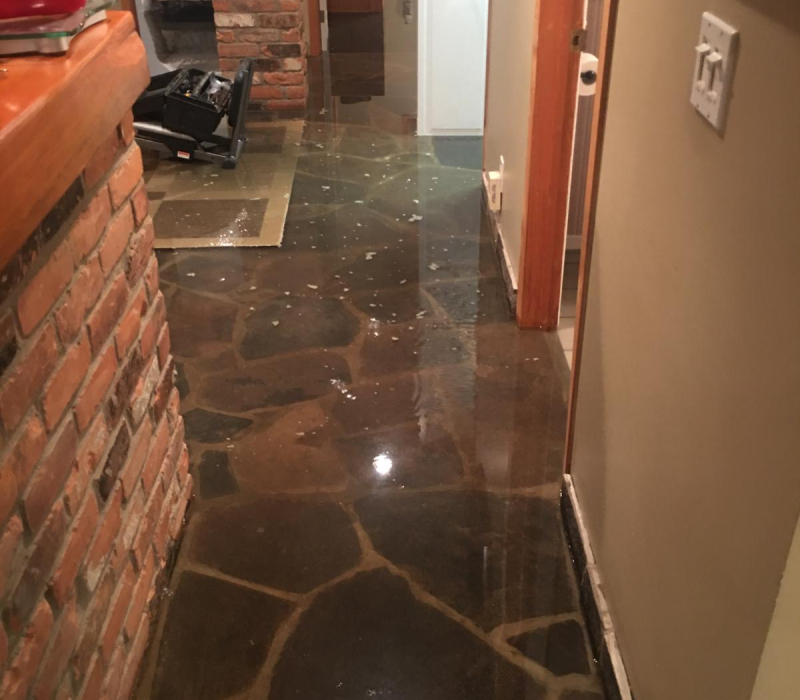
Basement flooding cleanup is the sanitation and dry-out phase after water has already entered. The flood event itself may have been a storm, a pipe failure, seepage, or a backup. Cleanup is what happens next: standing water is removed, contaminated surfaces are cleaned, wet materials are dried or taken out, and odor is addressed so the space can return to use. Skipping sanitation and focusing only on “getting the water out” often leaves residue, humidity, and hidden wet cavities.
At Plumber On Demand, we provide basement flooding cleanup services built around extraction, disinfection, controlled drying, and practical decisions about what can be saved. Our work is cleanup-focused: restoring the affected area after flooding, not merely describing how the water arrived.
If you need basement flooding cleanup, contact Plumber On Demand today at 905-220-5006 to request an assessment.
What Basement Flooding Cleanup Means
Cleanup is a sequence of sanitation and drying tasks:
- Remove standing water
- Remove unsavable wet contents and finishes
- Clean remaining structural surfaces
- Disinfect where contamination requires it
- Dry materials to stable moisture levels
- Address odor sources, not only the smell
- Confirm the space is ready for repairs or reoccupancy of the area
Cleanup is not the same as identifying a groundwater pattern or installing a backwater valve. Those may still be needed. This service is the work that makes the wet basement clean and dry enough to move forward.
Why Thorough Cleanup Matters
Incomplete cleanup creates a second problem: a basement that looks better but is still dirty, damp, or odorous.
Poor cleanup can lead to:
- Residue left in corners, drain pits, and under trim
- Mold growth on remaining wet materials, which can begin within 24–48 hours
- Odors that return when humidity rises
- Flooring that fails because it was closed up while wet
- Cross-contamination to stairs and main floors
- Health risks from leftover wastewater film
- Extra cost to redo drying after a failed first attempt
Cleanup quality is measured by cleanliness, moisture, and odor—not by how quickly the visible puddle disappeared.
What Typically Needs Cleanup After Flooding
Flooding leaves more than a wet slab.
Common cleanup targets include:
- Floors, cove joints, and low spots
- Baseboards and the bottom of walls
- Carpet, pad, and underlay remnants
- Stored belongings and packaging
- Mechanical-room floors around furnaces and tanks
- Stair treads used during the emergency
- Drain openings, sump interiors, and splash zones
- Contents that absorbed water and now produce odor
Each surface type needs a different method. Concrete is not cleaned like carpet. Drywall is not dried like a metal shelf.
Signs You Need Professional Flooding Cleanup
Professional cleanup is often needed when:
- Standing water is gone but the floor still feels tacky or smells
- You used household mops on unknown or dirty water
- Carpet or pad remains in place after saturation
- Drywall is stained, soft, or crumbling at the base
- A musty or sewage-like odor persists
- Humidity in the basement stays high
- Contents were stacked while still wet
- You are preparing the space for repairs, tenants, or sale
If the water included sewage or mixed wastewater, cleanup should assume contamination even after the floor looks dry.
Water Categories and Cleanup Methods
Cleanup intensity follows contamination.
• Clean Water (Category 1)
Supply-line water that was extracted quickly may allow more salvage. Surfaces still need drying. “Clean” does not mean “no cleanup.”
• Gray Water (Category 2)
Groundwater, some appliance discharges, and water that sat and degraded need detergent cleaning plus drying. Porous materials are less likely to be saved.
• Black Water / Sewage (Category 3)
Sewage-exposed areas need more aggressive sanitation and more replacement of porous goods. Disinfection is not a substitute for removing sludge and wet pad.
Health risks increase when cleanup is limited to a scented cleaner over residue.
Why DIY Flooding Cleanup Often Fails
Common mistakes include:
- Mopping without extracting from low spots
- Using bleach on remaining sewage film without washing first
- Drying carpet pad that cannot be sanitized
- Closing walls before moisture readings are stable
- Using household fans that move dirty air upstairs
- Masking odor with sprays
- Putting contents back before the slab is dry
- Skipping the underside of stairs and stored piles
DIY cleanup also tends to stop when the room “looks okay.” Professional cleanup continues until moisture and sanitation goals are met.
Our Basement Flooding Cleanup Process
• Condition Review
We review what type of flooding occurred, how long materials stayed wet, and what has already been attempted. Prior mopping and fan use affect the plan.
• Extraction of Remaining Water
Any standing or pooled water is removed, including water under contents and in drain wells. Cleanup cannot start on top of a puddle.
• Contents Sorting
Items are separated into likely salvageable, questionable, and unsavable. Wet cardboard and saturated textiles are typical disposal items.
• Removal of Unsavable Materials
Carpet pad, wet insulation, and failed drywall sections are removed when they cannot be cleaned. Removal is part of cleanup, not an optional extra.
• Cleaning and Disinfection
Remaining floors, walls, and hard goods are washed. Disinfection is applied where the water category requires it, after soil and residue are removed.
• Controlled Drying
Dehumidification and air movement are set up to dry the structure. Equipment placement avoids driving dirty air into unaffected rooms.
• Odor Source Control
Odor work targets remaining wet material and residue. If odor remains, we look for hidden pad, wet cavities, or contents that were packed too soon.
• Moisture Check and Closeout Guidance
We explain when the area is dry enough for repairs and what should not be reinstalled yet. Cleanup ends with a clear next step, not a guess.
Residential Flooding Cleanup
Homeowners need cleanup that makes family space usable again. That includes odor, flooring decisions, and belongings that were on the floor.
Residential cleanup often involves:
- Rec rooms and guest areas
- Laundry and mechanical rooms
- Under-stair storage
- Children’s items and stored clothing
- Tracking onto stairs
We help households understand what must leave the building and what can be cleaned in place.
Commercial Flooding Cleanup
Businesses need documentation, odor control, and a return-to-use plan for storage rooms, staff areas, and mechanical basements.
Commercial cleanup often includes:
- Inventory that cannot be sold after contamination
- Larger floor plates and more contents handling
- After-hours work to limit disruption
- Coordination with managers and contractors
- Clear sanitation notes for the water category involved
Cleanup in a commercial lower level is still extraction, cleaning, drying, and material removal—just at a different scale.
Materials: Cleanup in Place vs. Removal
Cleanup in place is realistic for many hard, non-porous surfaces after proper washing.
Often cleaned in place:
- Concrete slabs
- Masonry after residue removal
- Some tile over sound substrate
- Metal shelving and many plastic bins
- Framed openings that did not wick significantly
Often removed as part of cleanup:
- Carpet pad
- Many saturated carpets after dirty or sewage water
- Wet drywall paper and insulation
- Swollen particleboard
- Cardboard and soaked paper goods
Trying to “clean” pad after sewage flooding is a common reason odor returns.
Cost Factors for Flooding Cleanup
Cleanup cost depends on:
- Water category
- How long materials stayed wet
- Area and number of rooms
- Contents volume
- How much demolition is required for sanitation
- Drying equipment runtime
- Odor complexity
- Prior DIY attempts that spread residue
Paying for extraction without sanitation is often the most expensive path because the job is done twice.
Insurance Considerations During Cleanup
Insurers often want records of what was wet, what was removed, and why. Cleanup photos of pad, wet drywall, and standing water (if still present) can support the file.
Notes that help:
- Category assessment of the water
- List of materials removed
- Drying equipment used and areas treated
- Contents discarded vs. cleaned
Coverage still depends on the cause of the flooding and the policy. Cleanup documentation is not a guarantee of payment. Plumber On Demand does not decide claims.
Preventing Cleanup From Being Undone
Cleanup fails if water comes back immediately or if wet materials are sealed in.
After cleanup:
- Do not reinstall carpet over a slab that is still drying
- Do not pack boxes onto a damp floor
- Address the flood source so the next rain does not restart the job
- Keep humidity down during the dry-out window
- Limit traffic that tracks residue into clean rooms
Prevention of a future flood is separate work. Prevention of a failed cleanup is about not closing up wet assemblies.
Why Choose Plumber On Demand for Basement Flooding Cleanup
• Cleanup-First Scope
We focus on extraction, sanitation, drying, and material decisions after flooding.
• Category-Based Methods
Gray water and sewage are not cleaned like a clean supply-line spill.
• Odor Treated as a Source Problem
We look for residue and wet materials rather than covering smells.
• Clear Salvage Guidance
You get practical keep-or-remove recommendations for floors, walls, and contents.
• Residential and Commercial Support
We work with homeowners, landlords, managers, and businesses that need the space cleaned and dried after flooding.
Disinfection vs. Cleaning: Why Order Matters
Disinfectant on top of mud, sewage film, or organic residue does not work well. Soil consumes the product and leaves a dirty surface that still smells.
The working order is:
- Extract
- Remove unsavable porous material
- Wash and agitate remaining surfaces
- Apply disinfectant where the category requires it
- Dry
Skipping washing is the most common sanitation error in basement flooding cleanup.
Drying Equipment and What “Dry” Means
A floor that looks dry can still hold moisture in concrete, plates, and under remaining finishes.
Drying after cleanup typically uses:
- Air movement across wet surfaces
- Dehumidification to pull moisture from the air and materials
- Time, because concrete releases water slowly
“Dry enough” is a moisture condition, not a calendar date. Closing walls too early traps the next odor and mold problem.
Odor Control After Basement Flooding
Odor sources after flooding include:
- Wet pad and underlay left behind
- Sewage film in cove joints
- Cardboard and fabric packed in closets
- Sump and drain pits that were never washed
- Insulation that wicked dirty water
Cleanup of those sources reduces odor. Ozone gimmicks and heavy fragrance do not replace removal of the wet, dirty material.
If odor returns a week later, something is still wet or still dirty.
Contents Cleanup vs. Structural Cleanup
Structural cleanup is the building: slab, walls, stairs, remaining floors.
Contents cleanup is everything that was stored or furnished in the space.
These tracks should stay coordinated:
- Dirty contents left in a cleaned room recontaminate the floor
- A cleaned sofa on a wet pad will smell again
- Wet boxes against a cleaned wall can re-wet the drywall
A complete basement flooding cleanup plan includes both tracks or clearly states what the occupant will handle.
Cleaning Concrete, Masonry, and Cove Joints
The wall-floor joint holds residue after flooding. Mopping the open slab and skipping the cove is a common reason odor remains.
Concrete and masonry cleanup typically includes:
- Removing remaining sludge and silt
- Agitating the surface so film lifts
- Rinsing or extracting the wash water
- Disinfecting when the water category requires it
- Drying the slab so it does not stay a humidity source
Painted floors can hide staining but will not seal in sewage film if the film was never washed off.
Baseboards, Tack Strips, and Hidden Pad
Much of what fails in flooding cleanup is hidden at the floor edge.
Problems found after a “finished” mop-up:
- Wet pad under the last inches of carpet
- Tack strips that hold odor
- Baseboards that wicked dirty water into drywall paper
- Staples and debris that keep residue in place
Removing these components is often the difference between a clean room and a room that smells when the heat comes on.
HVAC and Air Movement During Cleanup
Air movers are useful after surfaces are cleaned. Used too early, they can move contaminated droplets.
Cleanup-minded air management:
- Extract and wash before aggressive airflow in sewage jobs
- Avoid blowing basement air into living space
- Keep HVAC returns from pulling dirty air if equipment was in the wet zone
- Use dehumidification to dry, not fragrance to hide humidity
Drying is part of cleanup. Spreading dirty air is not.
Pack-Out, Disposal, and What Leaves the Building
Cleanup includes logistics: what is bagged, what is washed, and what should not go to the curb without documentation if a claim is possible.
Typical pack-out and disposal categories:
- Unsavable porous goods
- Salvageable hard goods that need a cleaning area
- Hazardous mixed waste only when applicable to the materials present
- Recyclable debris such as some metals, when local rules allow
Do not mix sewage-soaked textiles with dry household laundry. That recontaminates clothing and machines.
How to Tell When Cleanup Is Actually Complete
A basement is not finished because the crew left.
Completion looks like:
- No standing water in pits or low spots
- Remaining surfaces washed, not only pumped
- Unsavable porous material removed
- Moisture trending down in remaining structure
- Odor consistent with a cleaned space, not with residue
- Occupants given clear instructions about reinstalling finishes
If any of those items are missing, cleanup is still in progress.
Preparing the Space for Repairs After Cleanup
Contractors who install new drywall or flooring need a clean, dry substrate.
Before repairs:
- Confirm drying goals were met
- Remove leftover fasteners and pad scraps
- Keep the area accessible
- Do not store new materials on a slab that is still off-gassing moisture
Cleanup that is documented makes the repair phase faster and reduces callbacks for odor.
Areas We Serve
Plumber On Demand provides basement flooding cleanup services for residential and commercial properties.
We work with:
- Homeowners
- Property managers
- Landlords
- Contractors
- Business owners
- Facility managers
- Real estate professionals
Cleanup after flooding in homes, rentals, and commercial lower levels is within this service.
Frequently Asked Questions About Basement Flooding Cleanup
• Is pumping out the water the same as cleanup?
No. Extraction is only the first step. Cleaning, disinfection, drying, and material removal complete cleanup.
• Do I need disinfection if the water was from a pipe?
Category 1 water still needs drying and often cleaning. Disinfection needs are higher for gray and sewage water.
• Why does my basement still smell after I mopped?
Residue, wet pad, or damp cavities are likely still present. Mopping standing-water marks is not full cleanup.
• Can you save the carpet?
Sometimes after clean water with very fast extraction. After dirty or sewage flooding, pad and many carpets are removed as part of cleanup.
• How long does drying take?
It depends on materials, humidity, and how open the assemblies are. Concrete and closed floors take longer than a bare, extracted slab.
• When can mold start if cleanup is delayed?
Mold can begin within 24–48 hours on wet materials.
• Should I use bleach on the floor?
Washing away soil comes first. Bleach on remaining sludge is not a complete sanitation method and can be misused.
• Will insurance pay for cleanup?
It depends on the flood cause and your policy. We can document cleanup work. We do not guarantee coverage.
• Can I stay in the house during cleanup?
Often yes for upper floors, depending on contamination, containment, and access. Sewage cleanup may require stricter limits on the basement.
• What should I throw away now?
Wet cardboard, soaked paper, and many sewage-exposed textiles are typical discards. Ask before discarding items you hope to claim.
• Do you remove wet drywall as part of cleanup?
When it cannot be cleaned or dried in place, removal is part of sanitation. The height and extent depend on wetting and category.
• Do you work with landlords after tenant flooding?
Yes. We provide cleanup and documentation that managers can use to plan repairs and reoccupancy of the space.
Contact Plumber On Demand Today
Basement flooding cleanup is the sanitation and drying work that follows a wet lower level. Extraction, disinfection, odor control, and material removal determine whether the space actually recovers.
Plumber On Demand provides professional basement flooding cleanup services for homes and businesses, with a focus on clean, dry, and documented results.
If your basement has already flooded and now needs proper cleanup, contact Plumber On Demand today.
📞 Call 905-220-5006
Speak with our team about your situation, request an assessment, and learn how our basement flooding cleanup services can help restore the affected area.